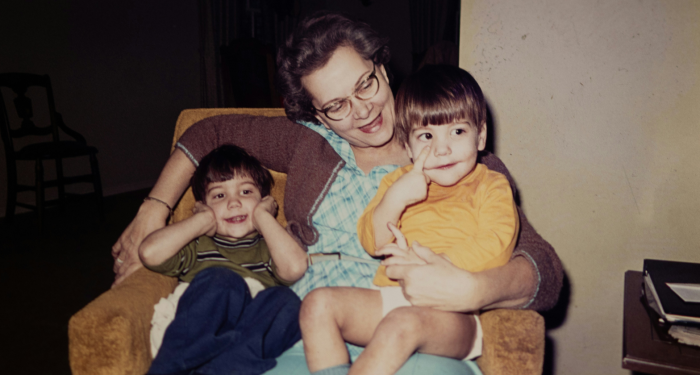
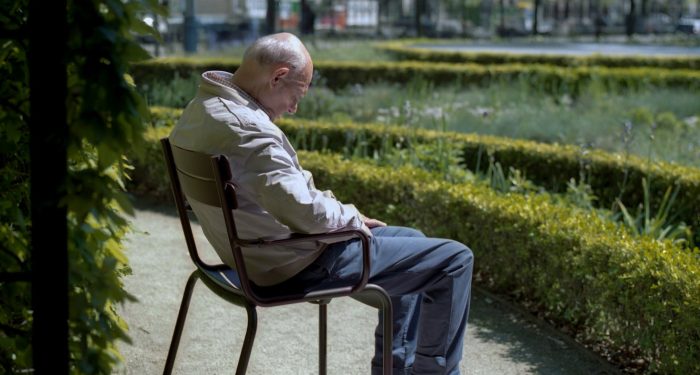
Behind that friend who never panics when disaster strikes lies a childhood where staying calm wasn't just helpful—it was survival, and psychologists call this learned response "functional freeze."

Add VegOut to your Google News feed. 
Ever notice how there's always that one person who becomes eerily calm when everything hits the fan?
While everyone else is losing their minds during a crisis, they're the ones methodically working through the problem, speaking in measured tones, almost like they've switched into a different mode entirely. I used to think these people were just naturally zen, blessed with some unshakeable inner peace the rest of us missed out on.
Turns out, there's often a darker story behind that supernatural calm. And psychologists have a name for it: "functional freeze."
The paradox of childhood chaos
Here's what caught my attention during a recent dive into trauma psychology: kids who grow up in unpredictable, chaotic environments often develop an almost superhuman ability to stay calm during crisis situations as adults.
Think about it. When you're eight years old and never know if today's going to be a "good day" or if the household's about to explode, you learn to read micro-expressions like your survival depends on it. Because sometimes, it does.
These kids become human barometers, constantly scanning for danger signals, adjusting their behavior to keep things stable. They learn that panic makes things worse. That showing fear might trigger more chaos. So they develop this incredible ability to shut down their visible emotional responses and just... function.
Paula Jo Lynch, a Licensed Professional Counselor, explains it perfectly: "Situational stressors combine with past unresolved trauma and cause chaotic responses and can trigger feelings of fear, anger, resentment, rejection, and great sadness."
But here's the twist – for some survivors of childhood chaos, those same stressors that send others spiraling actually trigger the opposite response. They learned early that falling apart wasn't an option.
What functional freeze actually looks like
You've probably seen functional freeze in action without realizing it. It's the emergency room nurse who stays impossibly composed while chaos erupts around them. The friend who becomes the designated crisis manager whenever drama unfolds. The coworker who seems to get calmer as deadlines get more insane.
I remember watching a friend handle her father's sudden medical emergency a few years back. While her siblings were crying, arguing about what to do, she was already on the phone with insurance, arranging transportation, creating a schedule for hospital visits. Later, she told me she felt like she was watching herself from above, just going through the motions she'd rehearsed a thousand times in childhood.
That's functional freeze. Your body and mind slip into this practiced state where emotions get packed away and pure problem-solving takes over.
But here's what makes it complicated: while this response can be incredibly useful in actual emergencies, it comes with a cost.
The hidden price of being everyone's rock
People who developed functional freeze as children often become the go-to crisis managers in every group they're part of. Friends call them first when disaster strikes. Family relies on them to handle the hard stuff. At work, they're the ones who get pulled into every emergency.
And why wouldn't they be? They're amazing at it. They stay clear-headed when everyone else is melting down. They think strategically when others can't think at all.
But constantly operating in crisis mode, even when you're good at it, is exhausting. These folks often struggle with knowing how to just... be normal when things are actually okay. They might feel anxious during calm periods, waiting for the other shoe to drop. Some describe feeling more comfortable in chaos than in peace because at least chaos feels familiar.
Growing up in suburban Sacramento, I watched this pattern play out in my own family dynamics. The sibling who always stayed calm during our parents' arguments became the family mediator, the one everyone turned to for stability. Even decades later, at family gatherings, you can see them slip into that same role – scanning for tension, smoothing over conflicts before they escalate, never quite able to just relax and enjoy the moment.
Recognizing functional freeze in yourself
So how do you know if you're operating from functional freeze versus just being naturally level-headed?
Corey Tolliver, a Clinical Social Worker with extensive crisis experience, notes: "I have worked with various populations and have a diverse background including people with trauma, crisis, depression, anxiety, grief and loss, relationship problems, and fatherhood."
Professionals like Tolliver often identify functional freeze through patterns their clients don't even realize they have. Do you feel more "yourself" during emergencies than during regular life? Do you struggle to access your emotions even when you want to? Do people constantly tell you how strong you are, but you feel disconnected from that strength?
Another telltale sign: difficulty accepting help or comfort from others. When you've learned that you're the one who has to hold it together, letting someone else take care of you can feel impossible, even threatening.
The path forward isn't about losing your superpower
Here's what I find fascinating about all this: the goal isn't to lose your ability to stay calm in crisis. That really is a superpower, and the world needs people who can think clearly when things go sideways.
The work is about expanding your emotional range so you're not stuck in one mode. It's about learning that you can feel your feelings and the world won't end. That you can let others help without everything falling apart.
Ryan White, a Licensed Professional Counselor, captures this beautifully: "I am passionate about helping clients engage their stories in a way that leads to a better understanding of who they are."
Understanding your story, including why you developed functional freeze, isn't about blame or dwelling on the past. It's about recognizing that what kept you safe as a child might be limiting you as an adult. You developed these patterns for good reasons. They served you well. But you might not need them in the same way anymore.
Small steps toward feeling more
If you recognize yourself in this description, know that change doesn't have to be dramatic. You don't need to suddenly become an emotional person or lose your ability to handle pressure.
Start small. Notice when you slip into functional freeze mode. Is it actually a crisis, or is your nervous system just interpreting Tuesday's work meeting as a threat? Practice staying present in calm moments instead of scanning for problems. Let someone else handle a minor crisis occasionally, even if you could do it better.
Most importantly, consider that feeling your emotions doesn't mean losing control. Those of us who grew up in chaos often think feelings and chaos are the same thing. They're not. You can feel sad, angry, or scared and still be safe. You can be vulnerable and still be strong.
Wrapping up
That preternatural calm you see in some people during crisis? Now you know it often comes from a childhood where staying calm was a survival skill. Functional freeze kept them safe then, and it can still be useful now.
But healing means learning you have options. You can be calm when you need to be and feel when you want to feel. You can help others through crisis and also let others help you.
Your superpower doesn't have to be your only power.