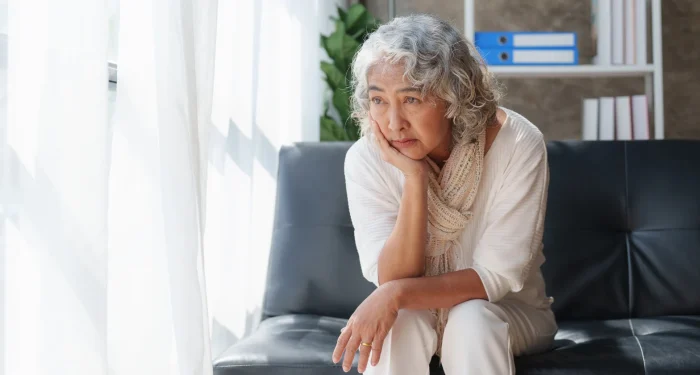
Ten divorced men over 60 revealed the same devastating truth: they'd spent decades being physically home while mentally at work, confusing providing with presence, until their marriages became graveyards of half-listened conversations and missed moments.

Add VegOut to your Google News feed. 
I sat across from a 67-year-old former pilot who'd been divorced twice, and when I asked him what he'd do differently, he didn't even pause. "I'd actually be there," he said. Not work less. Not communicate better. Not try harder. Just be there.
It was the tenth interview that month, and every single man over 60 gave me some version of the same answer. They all came back to one word: presence.
The expensive lesson nobody teaches you until it's too late
Here's what nobody tells you when you're 35 and grinding: You can be in the same room with someone for twenty years and never actually be present. You can share a bed, raise kids, build a life together, and still be emotionally AWOL the entire time.
I learned this the hard way. Spent 35 years in the restaurant business, working every Friday and Saturday night for fifteen straight years. Opened my own place at 40, ran it for 18 years. Lost my first marriage in the process.
Anne told me she'd been lonely for years. The worst part? She was right. I'd been physically there but mentally calculating next week's orders, tomorrow's specials, tonight's reservations. Always somewhere else, even when I was home.
The restaurant industry teaches you everything about cash flow and nothing about emotional availability. I'd built my whole identity around being the guy who owned the place, the charming host who could work a room but couldn't sit still for a real conversation with his own wife.
When your son says the thing that changes everything
Ethan once told me, "I just wanted you to show up, Dad." Not buy things. Not provide better. Just show up.
That sentence hit harder than any bad review or failed business deal ever could. Because he was right. I'd confused being a good provider with being a good father, as if they were the same thing. They're not.
The pattern nearly repeated in my second marriage. At 55, work stress was consuming me again when Linda called me on it. This time, I listened. Started coming home for dinner. Sounds simple, right? Try rewiring thirty years of habit. Try telling yourself that the restaurant won't fall apart if you're not there every second.
But here's what I discovered: She didn't need me to be perfect. She needed me to be present. There's a difference between sharing space and sharing moments.
What nine other divorced men taught me about presence
I interviewed nine other men for this piece. A carpenter, an accountant, a teacher, a pilot, an engineer, a doctor, a postal worker, a lawyer, and a shop owner. Ages 61 to 74. All divorced at least once.
Not one of them said they should have fought harder to save their marriages. Not one mentioned counseling or communication techniques or date nights. Every single answer circled back to the same realization: They'd been so busy providing, achieving, and building that they'd forgotten to simply be there.
The accountant told me he could remember every major tax law change from 1985 to 2010 but couldn't recall his daughter's favorite bedtime story. The carpenter had built three houses but never built a real connection with his wife. The doctor saved lives at the hospital while his marriage flatlined at home.
They weren't bad men. They were absent men. Physically present, emotionally checked out. Half-listening to conversations while mentally reviewing tomorrow's agenda. Sitting at soccer games while actually being at work in their heads.
The mise en place of life
In professional kitchens, we have this concept called mise en place. Everything in its place. You prep, you organize, you get ready before service starts. Can't cook properly without it.
But the most important mise en place isn't in the kitchen. It's getting your own life in order before trying to serve anyone else. And that starts with being present for the people who matter.
I sold my restaurant at 58. Started cycling the lakefront. Discovered that grandchildren don't care about your past mistakes. They just want you there for puddle-jumping and reading stories with all the voices.
Now I make elaborate vegan Sunday dinners for the extended family. Stand in my backyard garden growing herbs. Volunteer at the food bank. Sit on the back deck most evenings with Linda, no agenda, no rush to the next thing.
Everything you build can disappear in minutes. I learned that after a kitchen fire in year three of the restaurant nearly destroyed the place. So hold it loosely. Your identity isn't something that carries you. It's something you carry. And the lightest way to carry it is to show up, fully present, for the people who matter.
What presence actually looks like
Presence isn't complicated. It's Saturday morning farmers' markets with your granddaughter, letting her pick the messiest fruit. It's standing Thursday calls with Ethan, actually listening instead of waiting for your turn to talk. It's making cashew hollandaise for Linda's brunch because you know she loves it.
It's not checking your phone during dinner. Not mentally drafting emails during conversations. Not treating your home like a hotel between work shifts.
The men I interviewed didn't regret their careers or ambitions. They regretted the thousand small absences. The missed dinners. The half-listened conversations. The physical presence without emotional availability. They learned too late that relationships require the same attention as your best dish. They can't survive on leftovers.
Being a grandfather turned out to be the role I was always meant for. I just had to grow into the man who could do it properly. That man, surprisingly, is simply one who learned to be present.
Final words
Ten divorced men over 60. Different careers, different stories, same lesson. Not one said "fight harder." Every one said some version of "be there."
You can work yourself into the ground believing you're doing it for your family, but if you're not present for that family, you're just a well-meaning ghost haunting your own life.
The good news? Presence is a choice you can make right now. Put down the phone. Close the laptop. Look at the person across from you. Actually see them. Actually listen.
Tomorrow's problems will still be there tomorrow. The person in front of you might not be.