After decades of exhausting performances for an indifferent audience, she discovered at 69 that the most radical act wasn't giving up — it was finally showing up as herself.

Add VegOut to your Google News feed. 
The other day, I ran into a former colleague at the grocery store. She looked right through me, then did a double-take when she realized who I was beneath the silver hair and comfortable shoes. "Oh, Marlene!" she exclaimed, "I almost didn't recognize you! You've really... changed." She meant it as concern, maybe even criticism, but I just smiled. At 69, I've learned that becoming unrecognizable to certain people is exactly the point.
After three decades in the classroom and another few years navigating widowhood, I've noticed something remarkable happening among women my age. We're quietly stepping away from exhausting performances we never auditioned for, roles we played so long we forgot they weren't real. It's not defeat or resignation – it's the profound relief of realizing the audience left the theater years ago, if they were ever really watching at all.
Apologizing for taking up space
I used to be a master of the sidewalk shuffle – that awkward dance where you automatically move aside even when you have the right of way. In faculty meetings, I'd preface every comment with "This might be wrong, but..." or "Sorry, just a quick thought..." As if my 32 years of teaching experience needed an apology.
The shift happened gradually. Somewhere between my second knee replacement and my husband's final days, I realized that shrinking myself hadn't made anyone else bigger – it had just made me smaller. Now I sit in the front row at church, speak without disclaimers, and walk down the center of the sidewalk when it's my turn. The earth hasn't stopped spinning because I stopped apologizing for occupying space on it.
Pretending to be fine when they're not
Six months after my husband died, I couldn't get out of bed. Not wouldn't – couldn't. For someone who'd never missed a day of teaching in three decades, who'd smiled through his Parkinson's diagnosis, who'd raised two children alone after my divorce, this felt like failure.
But grief taught me that "fine" was a performance that exhausted more than it helped. Now when my widow's support group asks how I am, I tell the truth. When arthritis flares, I cancel plans without elaborate excuses. Vulnerability, I discovered, doesn't diminish us – it connects us.
Maintaining relationships that drain them
After 66 years, I finally understood that some people are meant to be loved from a distance. The colleague who turned every conversation into competition, the couples who vanished after my divorce, the relatives who only called when they needed something – I released them all without fanfare.
No dramatic announcements, no explanations. I simply stopped initiating, stopped accommodating, stopped explaining. The energy I once spent maintaining one-sided relationships now goes to my weekly supper club and the friend who shows up with soup when I'm sick. Quality over quantity – a lesson that took six decades to learn.
Dressing for other people's comfort
The high heels went first – traded for shoes that actually support arthritic feet. Then the uncomfortable bras, the "slimming" undergarments that squeezed more than they smoothed, the beige and navy because they were "appropriate."
Now I wear purple if I want purple, patterns that make me smile, scarves that remind me of Monet's garden. My watercolor class friends love my artistic choices. My grandchildren say I look like myself. The people who truly matter never cared about my appearance anyway – they cared about my presence.
Keeping their opinions small and palatable
For decades, I softened my voice with maybes and perhapses, filtered my thoughts in faculty meetings, bit my tongue at family dinners. But watching democracy fracture while I stayed polite became unbearable.
Now I write letters to representatives without apology, speak at school board meetings without hedging, and tell my grandchildren exactly what I think about the world they're inheriting. My years of experience weren't meant to be whispered – they were meant to be shared with the clarity that comes from having seen enough to know better.
Saying yes to obligations they resent
The automatic "yes" that once governed my life died somewhere between retirement and my first knee surgery. Baby showers for colleagues' grandchildren I'd never met, every church bake sale, babysitting when I needed rest – I declined them all.
The guilt was crushing at first. But saying no to obligations I resented meant saying yes to morning walks, afternoon reading, evening silence. Real friends understood. Those who didn't were dancing their own exhausting performance of expectation.
Hiding their intelligence to make others comfortable
I spent years downplaying my two Teacher of the Year awards, the master's degree earned while single parenting, my ability to reach students others had written off. Smart women made certain people uncomfortable, so I laughed at my own insights and pretended not to notice when less qualified voices dominated conversations.
At 69, after surviving health scares and loss, I've run out of patience for performed ignorance. I share knowledge freely in my grief support group, correct misinformation at church meetings, and write essays that showcase every bit of wisdom these years have earned. The people intimidated by intelligence were never my people anyway.
Postponing joy until the "right" moment
The cancer scare at 52 should have been the wake-up call, but I kept waiting – for retirement, for the mortgage to be paid, for some perfect moment that never came. Then my husband's diagnosis made "someday" feel like a cruel joke.
Now I eat dessert first when I want, take watercolor classes despite having no talent, and booked that trip to Italy without waiting for a companion. I plant flowers that might not bloom, start books I might not finish, call friends just to hear their voices. Joy isn't a reward for getting everything right – it's a choice you make while everything is still beautifully unfinished.
Performing youth to remain visible
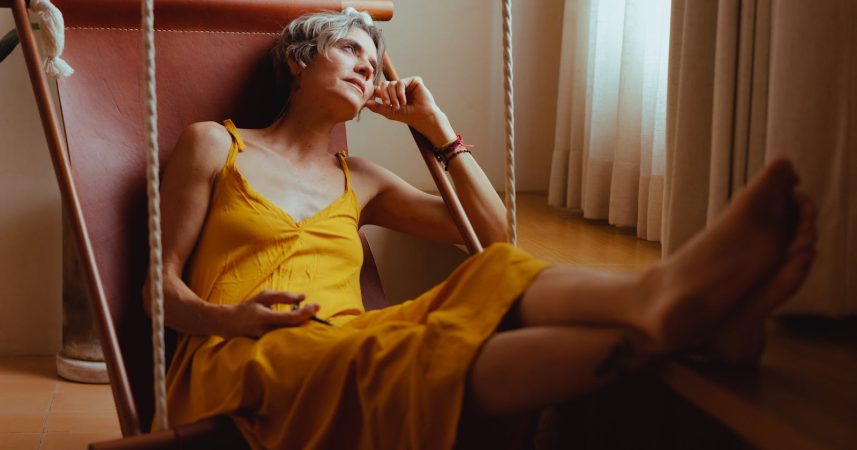
The morning I stopped dyeing my hair wasn't dramatic – I simply looked in the mirror and decided I was tired of pretending time hadn't passed. The silver that emerged tells the truth: I've survived 69 years, raised children alone, buried parents and a husband, taught thousands of students.
I stopped buying anti-aging creams that promised to "turn back the clock." Why would I want to go backward? My lined face shows I've laughed, cried, worried, and lived. Becoming invisible to those who only value youth is actually freedom – it means being truly seen by people who value wisdom, authenticity, and the particular beauty that comes from having survived everything life offered and asked for seconds.
Final thoughts
These days, when younger women ask me for advice, I tell them this: The performance is optional. The audience is smaller than you think. And the freedom that comes from stepping off that exhausting stage? It's worth every moment of discomfort it takes to get there. At 69, I'm not giving up – I'm showing up, fully and unapologetically myself. The people who can't recognize me anymore? They were watching the wrong show all along.