If you can still smell that Crisco-and-old-spice scent when you close your eyes, these seven pantry staples probably outlasted your childhood home's mortgage.

Add VegOut to your Google News feed. 
The smell hits you first when you open one of these pantries—that particular combination of old wood, fading spice labels, and something indefinably dusty-sweet that comes from boxes of Jell-O that haven't moved since Bush Senior was president. It's the scent of practicality, of making do, of suppers that had to be on the table before the evening news started because that's when working people ate.
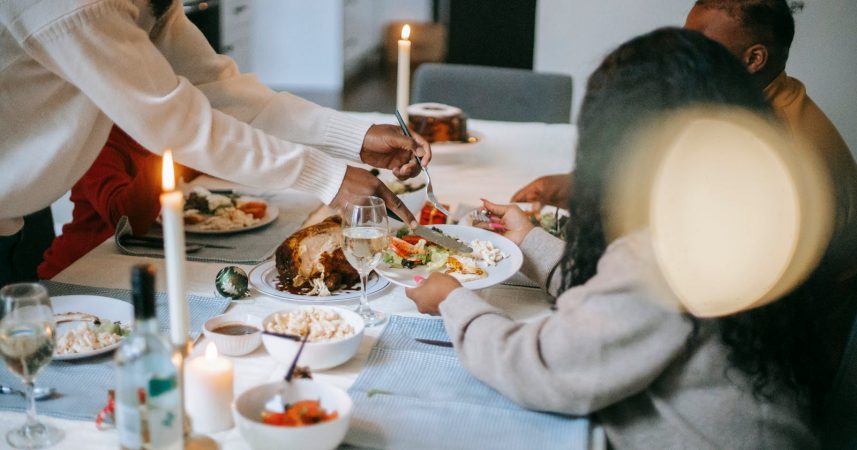
Growing up, we called it supper, not dinner, and it happened at 5:30 sharp. Not 5:45. Not "whenever we're hungry." Five-thirty, when the factory whistles had long since blown and fathers were washing the day's work from their hands at kitchen sinks across small-town America. If your family lived by this clock too, I bet I can guess exactly what's still lurking in the back of your pantry right now.
A can of Crisco that's older than your youngest grandchild
That blue and white can that seems to exist outside the normal laws of time and expiration dates. Mine sits on the second shelf, pushed behind newer, healthier oils I actually use. But throw it away? Never. That Crisco is a monument to every pie crust my mother ever made, every piece of fried chicken that came out perfectly golden, every cast iron pan that got seasoned with a generous scoop.
I remember watching my grandmother grab that can without looking, knowing exactly where it lived in her pantry. She'd scoop out what she needed with the same spoon that lived inside the can—health department regulations be damned. That Crisco could fry fish on Friday, make biscuits on Saturday, and create the flakiest pie crust for Sunday supper. It was kitchen magic in a can, and even if I haven't opened mine since 2019, it stays. Some things are too sacred to toss.
Cream of mushroom soup—at least four cans
Show me a pantry without Campbell's Cream of Mushroom soup, and I'll show you someone who didn't grow up calling dinner "supper." This wasn't soup—it was the foundation of an entire cuisine. Tuna noodle casserole, green bean casserole, beef stroganoff if you were feeling fancy. One can could stretch into a meal for six with enough noodles and whatever was leftover in the fridge.
My pantry still holds no fewer than six cans at any given time. They're disaster insurance, the answer to "What's for supper?" when it's already 4:45 and nothing's thawed. They're what you grab when someone's sick and needs something warm and filling. I may cook from scratch most nights now, but those cans are my safety net, proof that I can still get food on the table by 5:30 if life demands it.
A jar of pickled something your neighbor made
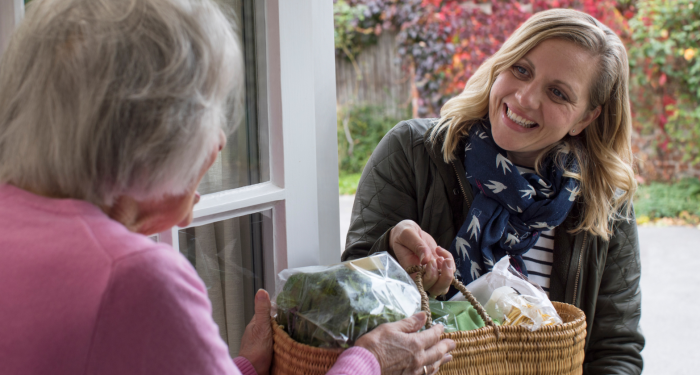
Pickled beets, bread and butter pickles, green tomatoes, maybe even watermelon rind if you lived next to an ambitious canner. These jars appeared on doorsteps without ceremony, usually with a piece of masking tape labeled "From Helen 2021" in careful cursive. They were currency in working-class neighborhoods—pickled beets for hemmed pants, green tomatoes for a ride to the grocery store.
I have three jars in my pantry right now from various neighbors, and honestly, I'm afraid to open them. Not because they're bad—home canning was an art form perfected by women who'd never heard of botulism but never poisoned anyone either. I'm afraid because opening them feels like ending something precious, breaking a connection to the woman who stood over a hot stove in August, thought of me, and decided I needed pickled something in my life.
Saltines in a tin that once held Christmas cookies
You know the one—that round Danish butter cookie tin that everyone's grandmother repurposed for crackers. You'd open it expecting cookies every single time, even though it had held saltines for the past decade. Those crackers were the Swiss Army knife of the supper pantry: sick food, soup companion, quick lunch with peanut butter, the thing kids ate while waiting for supper to actually hit the table.
The tin kept them fresh for months, though "fresh" was negotiable. Stale saltines just needed two minutes in a hot oven to crisp back up. Nothing was wasted when supper had to stretch the grocery budget from payday to payday. My mother could make a sleeve of saltines into a meal with some cheese and pickles, call it "lunch," and we never questioned it.
Brown sugar hard as a brick
Not the soft kind in resealable bags they sell now. The box kind that turned to concrete between uses but that you kept anyway because sugar doesn't really go bad, does it? We'd chip at it with butter knives, soak it with damp paper towels, or just accept that chocolate chip cookies would have unexpected pockets of sweetness where chunks refused to dissolve.
Every pantry had at least two boxes—one rock-solid in active use, one backup that would also turn to stone before the first was finished. My mother kept a slice of bread in the box, some kind of moisture-maintaining magic that I never understood but faithfully replicate. Because some traditions you don't question, you just pass down.
Canned vegetables you'd never buy fresh
Corn, green beans, carrots, peas—vegetables that grew perfectly well in backyard gardens but that we kept in cans anyway. These weren't substitutes for fresh vegetables; they were entirely different foods. Canned green beans became their own dish, simmered with ham hock until they turned that particular shade of army green that meant they were ready. Canned corn got mixed with lima beans for succotash that no one really liked but everyone ate.
The canned vegetables were backup, insurance against the reality that fresh vegetables required planning, and sometimes at 4:30 you realized you had nothing green for supper. Three cans of green beans later, you had a vegetable side dish. It might not have had any actual nutritional value left, but it filled the vegetable spot on the plate, and that's what mattered.
A bottle of Wish-Bone Italian dressing
This wasn't salad dressing—we didn't really eat salad. This was marinade, the secret ingredient to "company chicken," the thing that could make even tough cuts of beef edible. That bottle lived in the fridge door for months, the oil separating, the herbs settling into a sludge at the bottom that required vigorous shaking to resurrect.
Pour it over chicken at 3 PM, and by 5:30 you had "Italian chicken." Mix it into pasta salad for potlucks. Brush it on bread for "garlic bread." It was the working-class household's answer to flavor, the thing that made Tuesday's chicken different from Thursday's, even though both came from the same family pack split and frozen on shopping day.
Final thoughts
These seven things weren't just food—they were a philosophy, a way of life that said supper happens at 5:30 whether you're ready or not. They were the tools of women who made magic from cans and boxes, who fed families on factory wages, who never heard of meal prep but always had something ready to hit the table when the whistle blew.
My pantry looks different now, full of quinoa and coconut oil and things my mother would have called "fancy." But tucked in the back, those seven things remain, like elderly relatives at a family reunion—outdated maybe, but essential to understanding who we are and where we came from. They're not just ingredients; they're immigration papers from a different time, proof that we once lived by factory whistles and supper schedules, making filling meals from shelf-stable miracles.
And sometimes, on a particularly hard Tuesday when the world feels too complicated, I still make tuna noodle casserole with cream of mushroom soup, serve it at 5:30 sharp, and remember that some problems can still be solved with a can opener and a 350-degree oven.