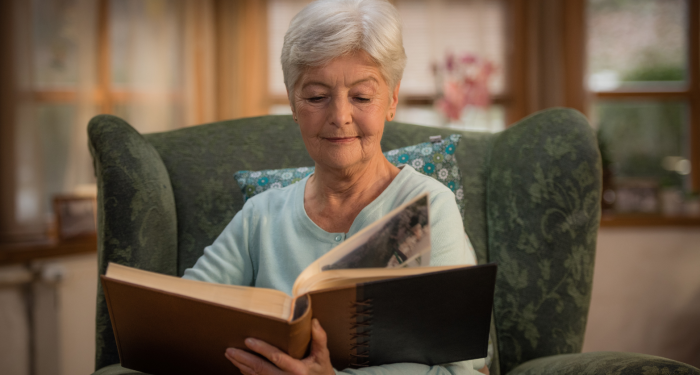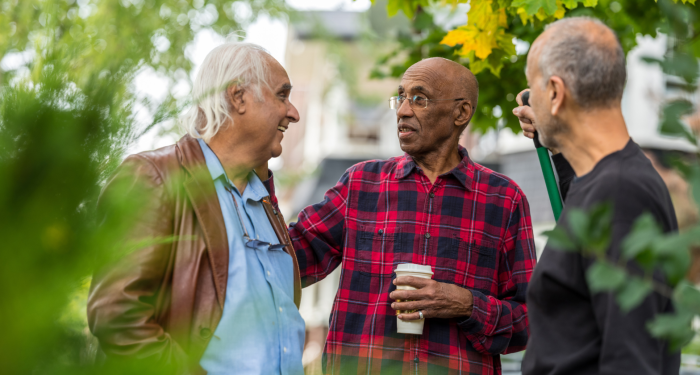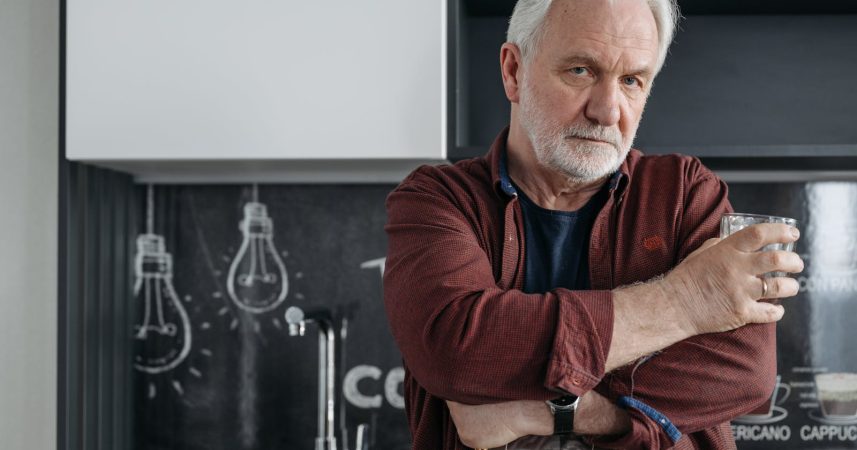
He opens and closes the same kitchen cabinets not from boredom or forgetfulness, but because his hands are grieving — still speaking the only language they learned over forty years of measuring worth through work, searching for a way to matter in a world that suddenly doesn't need them to produce anything.

Add VegOut to your Google News feed. 
I watched my neighbor's father yesterday, moving through their kitchen like a ghost ship navigating familiar waters. Open the pantry, close it. Check the fridge, nothing needed. Reorganize the spice rack that's already perfect. His daughter thinks he's bored, suggests hobbies, activities, anything to fill what she sees as empty hours. She doesn't understand that his hands are speaking a language learned over forty years of measuring worth by weight carried, problems solved, things built. They're not bored. They're grieving.
After decades in the restaurant business, I know this dance intimately. My own hands still wake at 5 AM, ready for prep that doesn't exist, solving problems that belong to someone else now. The muscle memory of productivity runs deeper than conscious thought.
When work was your entire vocabulary
For most men of a certain generation, retirement arrives like a translator suddenly going silent. Everything you knew how to say, every way you knew how to matter, came through what you did with your hands from Monday to Friday. Or in my case, Tuesday to Sunday, with Mondays spent recovering from the chaos of weekend service.
The restaurant taught me to speak in actions. A perfectly timed dish was "I care." A spotless kitchen was "I respect you." Sixteen-hour days were "I'm providing." Nobody needed to decode these messages. They were as clear as a receipt.
My father ran a souvlaki shop for thirty years. Never said "I love you" much, but every perfectly seasoned gyro, every fresh pita at dawn, every dollar saved for my education was love in a language I understood completely. When he retired, he spent six months rearranging his garage tools until my mother finally understood he wasn't organizing. He was trying to find a way to keep speaking the only language he knew.
The transition from "Gerry who owns the restaurant" to just "Gerry" took three years and more therapy than I'd like to admit. Turns out when you strip away the title, the problems to solve, the staff to manage, you're left with a question nobody prepared you for: Who are you when you're not useful?
The myth of the golden years
Retirement brochures show couples on beaches, men golfing, grandparents gardening. They don't show the 3 AM panic when you realize you haven't contributed anything measurable in six months. They don't capture the peculiar grief of hands that know exactly what to do but have no reason to do it.
I sold my restaurant to my former sous chef four years ago. The first morning without a kitchen to run, I stood in my home kitchen for an hour, opening cabinets, checking inventory that didn't matter, making lists for nobody. My wife Linda found me organizing our spices alphabetically, then by cuisine, then by frequency of use. "Honey," she said gently, "we have enough oregano."
But it wasn't about oregano. It was about the sudden absence of purpose that comes wrapped in the gift paper of freedom. After decades of solving immediate problems, managing personalities, hitting targets, and meeting deadlines, silence feels less like peace and more like exile.
A friend from my Toronto restaurant days called last month. Sold his place, retired to cottage country. "I'm living the dream," he said, then admitted he drives forty minutes twice a week to help at a local diner's breakfast rush. Not for money. For the feeling of tickets coming in, problems that need immediate solutions, the satisfaction of a cleared board.
Relearning value without a scorecard
The hardest part about retirement isn't financial. It's existential. When your worth was measured in covers served, revenue generated, problems solved, how do you calculate value in conversations with grandchildren, morning bike rides, or sitting with your wife watching birds at the feeder?
My generation was raised on productivity as religion. Every moment needed to generate something. Every hour should show results. We wore exhaustion like medals, compared stress like battle scars. I spent fifteen years working every weekend, every holiday, convinced that dedication meant never stopping. My first marriage became a casualty of this theology. "You were never really here," my ex-wife Anne told me during the divorce. "Even when you were home, you were solving restaurant problems."
She was right. I'd turned our marriage into a management issue, our family into a logistics problem. When my son told me years later that he just wanted me to show up, not fix things, not provide solutions, just be present, it cracked something open that I'd kept sealed for decades.
Now I watch my neighbor's father and recognize the pattern. He's not opening cabinets because he's forgetful. He's performing a ritual of relevance, hands moving through practiced motions because stillness feels like disappearance.
Finding new languages for old hands
The path forward isn't about staying busy. It's about translating what you know into currencies that matter beyond paychecks and performance reviews. My hands that once managed eight burners now make cashew hollandaise for Linda every Saturday, not because she needs it but because it says something I'm still learning to express directly.
Those same hands teach my four-year-old granddaughter to make pizza dough, plant basil she calls "the pizza leaf," pick the messiest fruit at the farmers market because they taste best. The skills transfer, but the metrics change. Success isn't a perfectly risen dough but her flour-covered giggle, not the seasoning but her pride in "helping Grandpa."
I volunteer at the community food bank kitchen now, running the line with the same precision I once demanded during Saturday night service. The difference is I'm not proving anything. The work matters because hunger is real, not because I need to justify my existence through exhaustion.
Some discoveries come late but land hard: that sitting with someone in silence can be more valuable than solving their problems. That showing up consistently matters more than showing up perfectly. That teaching someone to cook gives them power, not just recipes. That the men who come to my Saturday cycling group need the coffee stop conversations more than the kilometers.
Final words
Your father wandering the house, opening and closing cabinets, isn't broken. He's translating forty years of meaning into a new language, and translation takes time. His hands remember their worth even when the world no longer measures it in obvious ways.
The challenge isn't finding new things to do. It's understanding that presence can be productivity, that stillness isn't emptiness, that hands that once built and fixed and managed are just as valuable when they simply hold.
I still wake at 5 AM sometimes, muscle memory ready for prep that doesn't exist. But now I make coffee, write at the kitchen table, watch the sunrise without calculating what it costs per minute. My cabinets are still perfectly organized. I still check them more than necessary. But I'm learning that hands seeking purpose in familiar motions aren't lost. They're remembering their way toward a different kind of mattering, one measured not in what they produce but in what they're finally free to hold.
What’s Your Plant-Powered Archetype?
Ever wonder what your everyday habits say about your deeper purpose—and how they ripple out to impact the planet?
This 90-second quiz reveals the plant-powered role you’re here to play, and the tiny shift that makes it even more powerful.
12 fun questions. Instant results. Surprisingly accurate.