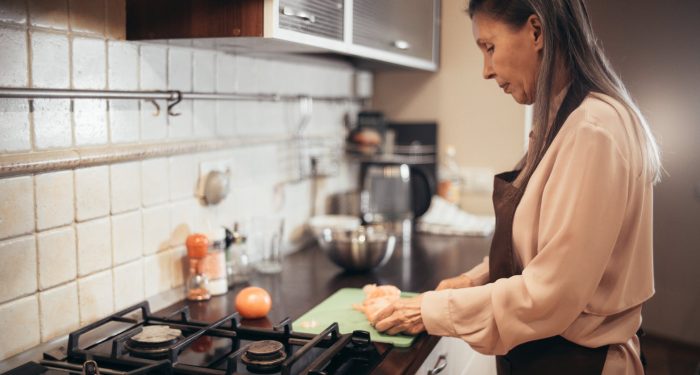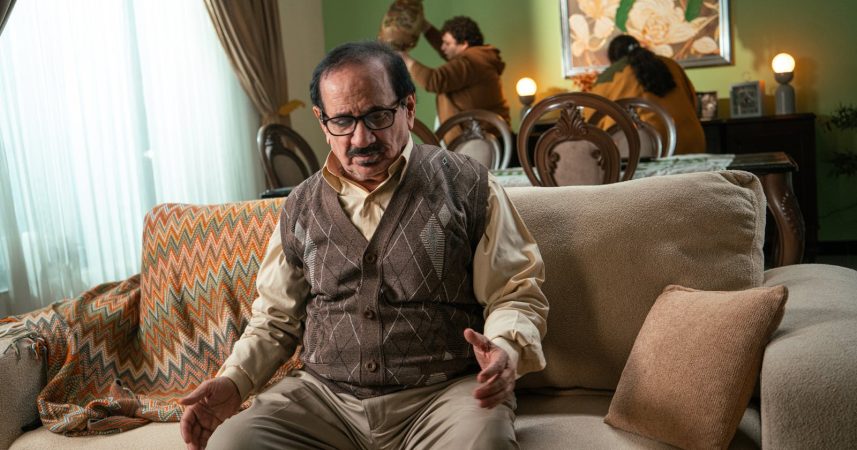
When someone finally stops showing up to family gatherings, the reaction reveals a truth most of us spend decades avoiding: whether we're bound by genuine love or just trapped in an elaborate performance where everyone knows their lines but no one remembers why they're still reciting them.
Last Thanksgiving, I watched my cousin's empty chair speak louder than any conversation at the table. She'd finally stopped coming after years of showing up to dinners where her divorce was the elephant in the room, where her career choices were questioned between courses, where love was something we all said but rarely showed.
That empty chair made me realize something I'd been avoiding for years: we weren't a close family.
We were just really good at pretending to be one.
The truth is, most families exist somewhere on this spectrum between genuine connection and choreographed obligation. And here's the uncomfortable part: we often can't tell which side we're on until someone breaks the pattern.
The performance begins early
Think about your childhood holiday memories. Were they filled with genuine warmth, or were they more like carefully rehearsed plays where everyone knew their lines?
"I love you too."
"Can't wait to see you at Christmas."
"We should really get together more often."
We learn these scripts young. We watch our parents perform them, and we inherit not just the words but the entire production. The hugs that feel more like handshakes. The conversations that never venture beyond weather and work. The photos that look perfect but feel hollow.
I've been thinking about this a lot since that Thanksgiving. My grandmother once drove six hours to bring me soup when I had the flu in college. That same grandmother later cried when I wouldn't eat her food after going vegan. Which version was the real love? Both? Neither? Or was it something more complicated?
When obligation masquerades as love
Real love shows up on random Tuesdays. It calls without needing a reason. It remembers the little things and forgets the grudges.
Performance love? That's different. It shows up exactly when expected, never more, never less. It sends the birthday text at 9 AM sharp. It buys the gift card instead of the thoughtful present. It maintains the relationship like a subscription service you forgot to cancel.
Here's a question worth asking: when was the last time someone in your family surprised you with genuine care outside of a holiday or crisis?
If you're struggling to remember, you might be in a performance family. Not because they're bad people, but because somewhere along the way, the performance became easier than the real thing.
The comfort of pretending
Why do we keep performing? Because there's safety in the script. Real relationships are messy. They require vulnerability, difficult conversations, and the risk of rejection. Performance relationships? They're predictable. Everyone knows their role. No one rocks the boat. The peace is kept, even if it's a hollow peace. I spent years showing up to family dinners where my parents would make subtle digs about my career choices while passing the potatoes. We'd all laugh at the same tired jokes, take the same photos in the same spots, promise to stay in touch knowing we wouldn't.
It was exhausting, but it was also familiar. And sometimes familiar feels safer than honest.
The breaking point arrives quietly
The moment someone stops showing up isn't usually dramatic. There's no big confrontation, no explosive argument. Someone just quietly decides that the performance isn't worth it anymore.
Maybe they move across the country and gradually stop visiting. Maybe they start having "work conflicts" every holiday. Maybe they simply stop answering the group text.
And here's where it gets interesting: the family's reaction tells you everything.
Does anyone actually notice beyond the logistical inconvenience? Does anyone reach out with genuine concern rather than guilt? Does the conversation change from "How could they do this to us?" to "What did we miss?"
In performance families, the show must go on. The empty chair gets pushed against the wall. Someone makes a joke about more food for everyone else. Life continues, just with one less actor.
Recognizing real connection
Real family connection doesn't always look like Hallmark movies. Sometimes it's messier, louder, more complicated. But you know it when you feel it.
It's the sibling who calls you out on your nonsense but defends you to everyone else. It's the parent who disagrees with your choices but supports you anyway. It's the cousin who remembers that weird thing that makes you laugh from when you were twelve.
Real connection survives distance, disagreements, and change. It doesn't require perfect attendance at every holiday. It doesn't keep score.
When I told my parents I was going vegan, they were skeptical. But within a few months, my mom was texting me photos of vegan dishes she'd found at restaurants, saving recipes she thought I'd like. That's love adapting, not performing.
Making the choice
So what do you do if you realize you're in a performance family?
You have three options, really.
You can keep performing. There's no shame in this. Sometimes maintaining the peace is worth the emotional labor, especially if you have boundaries in place and support elsewhere.
You can try to change the dynamic. Start having real conversations. Share actual feelings. Be the one who breaks the script. Warning: this is harder than it sounds, and not everyone will thank you for it.
Or you can step back. Not dramatically, not cruelly, but intentionally. Invest your energy in relationships that feel real, whether that's chosen family, friends, or the few family members who get it.
I've mentioned this before, but boundaries aren't walls, they're bridges to better relationships. Sometimes the most loving thing you can do is stop pretending everything is fine.
Wrapping up
That empty chair at Thanksgiving taught me something valuable: love isn't proven by perfect attendance. It's proven by presence, even when you're absent. By genuine care, even when you disagree. By showing up in the small moments, not just the scheduled ones.
If you're questioning whether your family truly connects or just performs, pay attention to what happens when someone misses their cue. Do the others scramble to maintain the illusion, or do they reach out to understand?
The difference between real love and performed love isn't always obvious until someone stops playing their part. And sometimes, being the one who stops performing is the most honest thing you can do.
I used to believe that understanding was enough — that simply seeing the dynamic clearly meant you'd handled it. But understanding without action is just another form of performing. If you've recognized that the love in your family is mostly choreography, the braver move isn't to keep showing up with that knowledge tucked away. It's to step back, redirect your energy toward people who don't need a holiday as an excuse to care about you, and accept that the table you leave behind may never change. That's not cruelty. That's clarity.
What matters is whether the love you share is real when the cameras aren't rolling, when the holiday decorations are packed away, when it's just a regular Wednesday and someone needs help. That's when you know if it's love or just a long-running show that everyone's too polite to cancel.