While others learned to fight or flee, you mastered the art of becoming unmovable—a survival skill that now makes you everyone's anchor in crisis, even as it quietly exhausts you from the inside out.

Add VegOut to your Google News feed. 
Growing up, I watched my younger sister become invisible during family arguments. While voices rose and doors slammed, she'd sit perfectly still at the kitchen table, homework spread before her like a shield. Years later, at her wedding, I noticed something striking: when the caterer announced a last-minute crisis and the wedding party erupted in panic, she remained completely calm, quietly solving the problem while everyone else spiraled.
That's when I understood what she'd learned all those years ago in our suburban Sacramento home. The chaos had taught her something the rest of us missed.
If you grew up in a household where emotional storms were the weather, you know exactly what I'm talking about. And if you were the one who learned to go still, you're probably still carrying that superpower today, even if you don't realize it.
The stillness that saved you then shapes you now
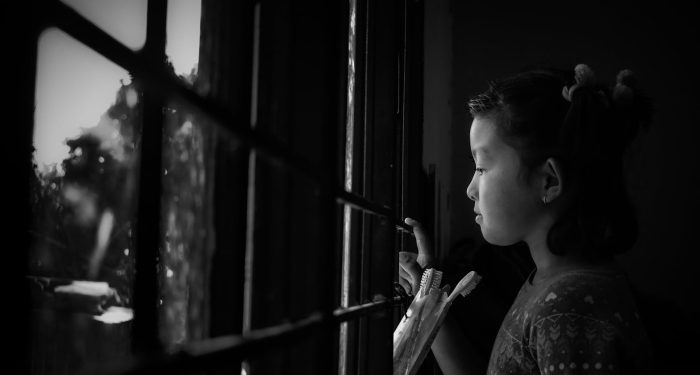
Think about it. What happens to a child who discovers that becoming perfectly still makes them safe? That silence becomes their armor when the emotional shrapnel starts flying?
They develop an almost supernatural ability to remain centered when everything around them combusts. But here's what I've noticed after years of observing this pattern in friends and, honestly, in myself: that stillness doesn't just disappear when you leave the chaos behind.
I've mentioned this before, but behavioral patterns we develop in childhood tend to stick around like old friends who've overstayed their welcome. Except in this case, that old friend might actually be your greatest strength disguised as trauma response.
You know those people who seem eerily calm during actual emergencies? The ones everyone turns to when things go sideways? There's a good chance they learned that skill at a dinner table where unpredictability was the main course.
Why chaos creates the calmest people
Here's something I learned from reading Daniel Kahneman's work on decision-making under pressure: our brains literally rewire themselves based on repeated experiences. When you grow up navigating emotional landmines daily, your nervous system becomes a finely tuned instrument for detecting and responding to danger.
But instead of fight or flight, you developed a third option: freeze, but consciously. Not the paralyzed freeze of fear, but the deliberate stillness of strategy.
Remember that friend who always knows exactly what to say when someone's having a breakdown? Or that colleague who somehow prevents office conflicts from escalating? They might be operating from this same playbook, written in the margins of a chaotic childhood.
The research on this is fascinating. Studies show that children from unpredictable environments often develop heightened emotional intelligence and superior crisis management skills. They had to. Reading the room wasn't just a social skill; it was survival.
The invisible weight of being the calm one
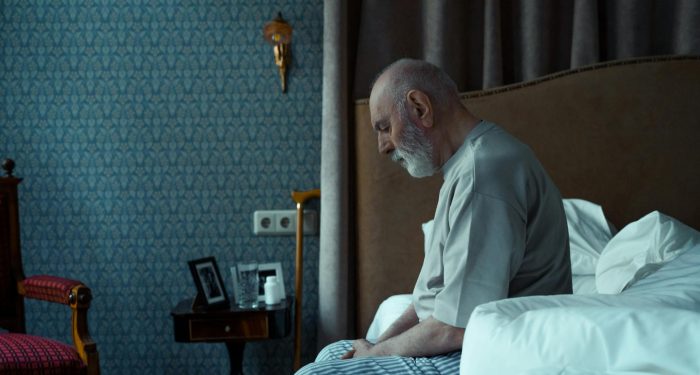
But let's be real about something nobody talks about: being the still one is exhausting.
When you're always the person who stays calm, people start expecting it. They lean on your steadiness without realizing you're not actually made of stone. You're just really, really good at looking like you are.
I see this in my own life constantly. When family drama erupts (and it still does, just less frequently), everyone automatically looks to me to mediate. "You're so good at staying neutral," they say. What they don't see is the internal effort it takes to maintain that stillness, or how sometimes I just want to match their energy and scream right back.
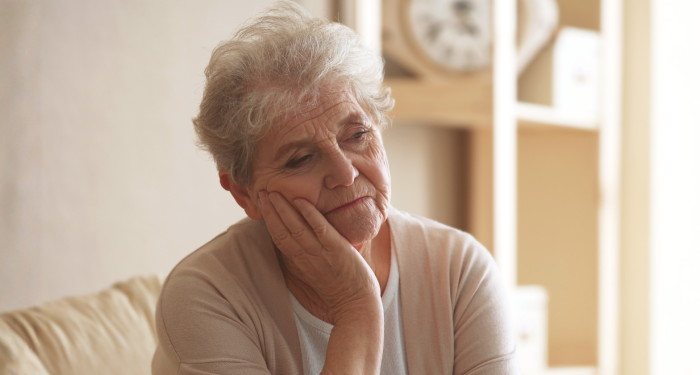
Have you ever noticed how the calmest person in the room often goes home the most drained? That's because maintaining equilibrium while everyone else gets to express their chaos freely is its own kind of labor.
When stillness becomes a prison
Here's where it gets complicated. That same stillness that protected you can become a cage in your adult relationships.
You might find yourself unable to express anger even when it's justified. Or you stay in situations that require you to be perpetually calm because that's your comfort zone. You know how to be the eye of the storm, but you've forgotten it's okay to be part of the weather sometimes.
I had a conversation with someone recently who described never crying at funerals, not because they weren't sad, but because they'd trained themselves to be the support system. "Someone has to hold it together," she said. But who holds it together for the person who's always holding it together?
This is the shadow side of our superpower. We become so good at being still that we forget we're allowed to move, to feel, to take up space with our own emotions.
Reclaiming your right to not be okay
So how do we honor this skill while also giving ourselves permission to be human?
First, recognize that your stillness is a strength, not a weakness. You didn't become this way by accident; you developed this capacity because you needed it. That's incredibly resourceful, not damaged.
But also understand that you don't owe anyone your calmness. Just because you can remain centered doesn't mean you always have to. You're allowed to have reactions, preferences, and moments of beautiful, chaotic humanity.
Start small. Next time you feel yourself automatically shifting into calm-mode, pause and ask: "Do I want to be still right now, or am I just on autopilot?" Sometimes the answer will be yes, you want to be the calm presence. But sometimes, you might surprise yourself.
The unexpected gift of learned stillness
Despite its challenges, there's something profound about carrying this stillness with you. In a world that seems to be getting louder and more reactive by the day, your ability to remain centered is increasingly rare and valuable.
You probably excel in high-pressure situations that would break others. You likely have a perspective on problems that others miss because they're too caught up in the emotional turbulence. You might even find that your presence alone can shift the energy of an entire room.
These aren't small gifts. They're the silver lining of a challenging childhood, transformed into genuine strength.
Wrapping up
If you recognize yourself in these words, know that your stillness is both your history and your power. It tells the story of a child who found a way to survive and an adult who turned survival into strength.
You don't have to apologize for being calm, but you also don't have to be calm all the time. The chaos that created your stillness is in the past. You get to choose when to deploy this superpower and when to set it aside.
And maybe, just maybe, the strongest thing you can do now is occasionally allow yourself to be as beautifully chaotic as everyone else. After all, you've earned the right to take up space with your whole self, not just the still parts.
The family chaos may have taught you stillness, but your life beyond it can teach you when to use it and when to let it go. That's not just strength; that's wisdom.
If You Were a Healing Herb, Which Would You Be?
Each herb holds a unique kind of magic — soothing, awakening, grounding, or clarifying.
This 9-question quiz reveals the healing plant that mirrors your energy right now and what it says about your natural rhythm.
✨ Instant results. Deeply insightful.

Jordan Cooper
Jordan Cooper is a pop-culture writer and vegan-snack reviewer with roots in music blogging. Known for approachable, insightful prose, Jordan connects modern trends—from K-pop choreography to kombucha fermentation—with thoughtful food commentary. In his downtime, he enjoys photography, experimenting with fermentation recipes, and discovering new indie music playlists.
More Articles by Jordan