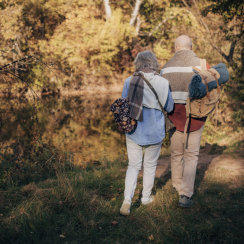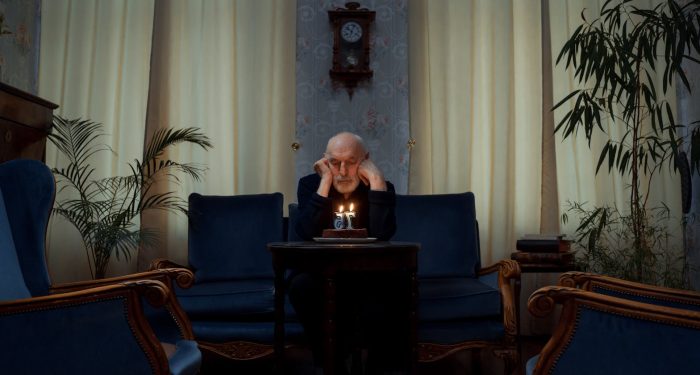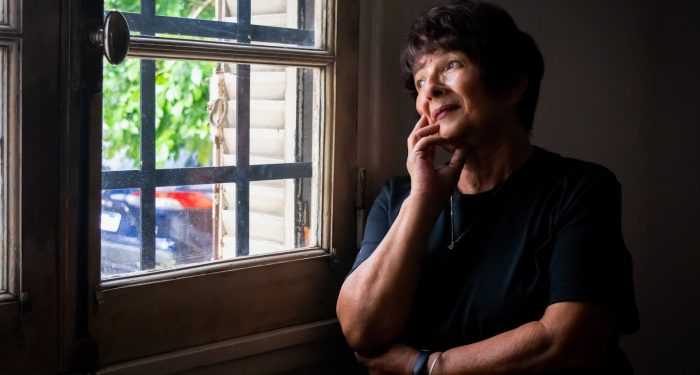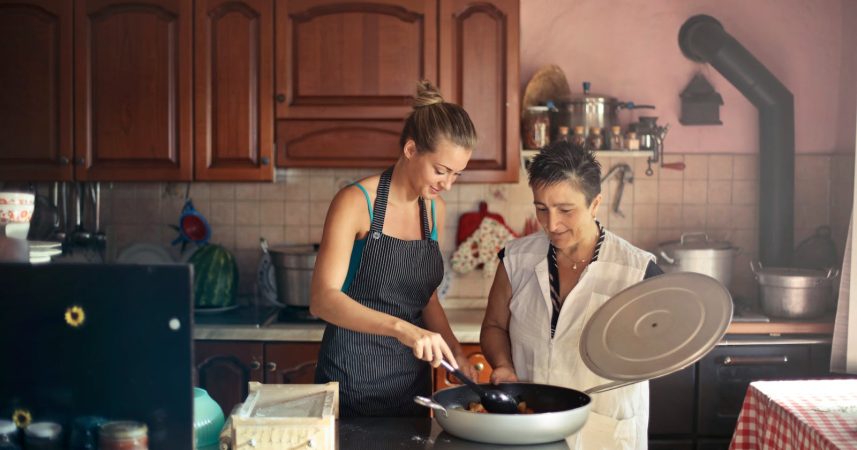
They built extraordinary competence on a foundation of fear, mastering every skill in silence because in their homes, asking questions wasn't just embarrassing — it was dangerous.
I watched him struggle, sweat, and eventually succeed through sheer determination. At the time, I thought he was being prideful. Now I understand he was being protective. In his world, not knowing something wasn't just embarrassing. It was dangerous.
When vulnerability meant weakness
That generation didn't figure everything out themselves because they were inherently more capable. They did it because their survival often depended on appearing competent at all times. In their households, admitting you didn't know something could trigger anything from mockery to rage to a week of cold silence.
Think about it. These were kids who learned early that questions were met with "What are you, stupid?" or "Figure it out yourself." They discovered that saying "I don't understand" could lead to a lecture about how soft they were, how they'd never make it in the real world, how disappointed their parents were.
So they adapted. They watched silently. They made mistakes in private. They learned through trial and error when no one was looking, because the alternative was exposing themselves to criticism that cut deeper than any physical wound.
In the restaurant business, I saw this pattern everywhere. The old-timers who'd rather burn a dish than ask how to prepare it. The managers who'd work eighteen-hour days rather than admit they needed help with scheduling. They weren't being stubborn. They were being safe.
The art of silent observation
This generation became masters at learning without asking. They'd hover nearby when someone was fixing something, memorizing every movement. They'd taste food obsessively, trying to decode recipes through their palate alone. They'd drive the same route fifty times rather than admit they were lost.
My father taught me to cook not through recipes but through proximity. I'd stand next to him in the kitchen, watching his hands move with practiced precision. He never explained. I never asked. We both understood this was how knowledge transferred in our world: silently, carefully, without the vulnerability of questions.
This wasn't just inefficient. It was exhausting. Imagine going through life pretending you understand everything while frantically trying to piece together information from context clues. It's like being in a constant state of test-taking where admitting confusion means automatic failure.
But they got good at it. Scary good. They developed an almost supernatural ability to figure things out through pure observation and deduction. They became human YouTube tutorials, except they had to be both the teacher and the student simultaneously.
The invisible cost of competence
What we call self-reliance in that generation often came at a devastating price. They learned to suppress their confusion, their curiosity, their need for guidance. They built walls around their uncertainty so thick that eventually, they couldn't find their way out even when it was safe to ask for directions.
I spent years using charm and humor to deflect anything serious because I'd learned that depth meant vulnerability, and vulnerability meant danger. In my house, being the life of the party was safe. Being emotionally available was not. You could make people laugh, but you couldn't let them see you struggle.
This created a generation of people who could build a house but couldn't build emotional intimacy. Who could navigate by the stars but couldn't navigate a difficult conversation. Who could cook a feast for thirty but couldn't ask for comfort when they were hurting.
The competence was real, but it was armor. Every skill they mastered without help was another layer of protection against a world that had taught them needing others was weakness.
Breaking the pattern
The beautiful irony is that this same generation often raised kids who ask questions constantly, who Google everything, who aren't ashamed to say "I don't know." They broke the cycle by creating homes where curiosity was safe, where not knowing was normal, where asking for help was human.
But sometimes I catch myself reverting to those old patterns. When I'm struggling with something new, my first instinct isn't to ask for help. It's to hide my confusion, to figure it out alone, to protect myself from judgment that isn't even coming anymore.
I'll spend hours researching something I could learn in five minutes by asking someone. I'll pretend to understand conversations I'm lost in. I'll nod along to directions I didn't catch because somewhere deep inside, that little voice still whispers that not knowing means not being enough.
The difference now is that I recognize it. I see that voice for what it is: an outdated security system, still running old software, protecting me from threats that no longer exist.
The gift hidden in the struggle
There's something worth preserving from that generation's experience, though. Not the fear or the shame, but the confidence that comes from knowing you can figure things out. The resilience built through solving problems without a safety net. The creativity that emerges when you can't just look up the answer.
Working in restaurants taught me that sometimes the best dishes come from not having the right ingredients. You improvise, you substitute, you discover something new because you had to. That generation's forced self-reliance created innovation born from necessity.
They also developed a deep appreciation for knowledge when they finally got it. Every skill mastered through silent observation and private practice was earned in a way that YouTube tutorials can never replicate. They valued competence because they knew its true cost.
Final words
That generation wasn't tougher because they could do everything without help. They were wounded in ways we're only now beginning to understand. They built extraordinary competence on a foundation of fear, creating strengths that masked deep vulnerabilities.
The goal isn't to romanticize their struggle or dismiss their resilience. It's to recognize that true strength isn't about never needing help. It's about creating spaces where asking questions doesn't require courage, where not knowing doesn't mean not belonging, where competence and vulnerability can coexist.
We can honor what they built while choosing differently for ourselves. We can be both capable and connected, both strong and supported. We can finally admit what they never could: that needing help isn't weakness. It's the most human thing there is.