In an age where we've outsourced our memories to machines with 2,847 nameless contacts, those who still write addresses by hand understand something profound: the physical act of forming each letter creates a neural map of relationships that digital convenience quietly erased.

Add VegOut to your Google News feed. 
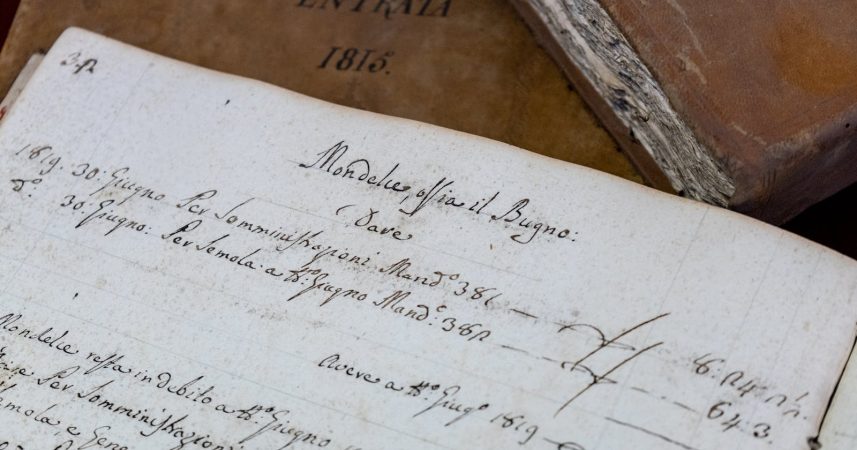
Last week, I found my grandmother's address book while cleaning out a box of old photos. The leather cover was worn soft, and inside, her careful handwriting filled page after page with names, addresses, and phone numbers. Some entries had been crossed out and rewritten as people moved. Others had little notes in the margins — "sends the best Christmas cookies" or "call on her birthday, March 3rd."
I sat there for an hour, just reading through it. And I realized something: this wasn't just a list of contacts. It was a map of her relationships, each entry a deliberate choice to remember someone.
Meanwhile, I have 2,847 contacts in my phone, and I couldn't tell you who half of them are.
The deliberate act of remembering
When you write someone's information by hand, something interesting happens in your brain. You're not just recording data — you're creating a memory.
Research shows that handwriting engages multiple senses, reinforcing memory retention and facilitating the recognition of abstract graphic forms, letters, and words, making the learning process more effective.
Think about it. When was the last time you actually remembered a phone number? I used to know dozens by heart. Now, I barely remember my own.
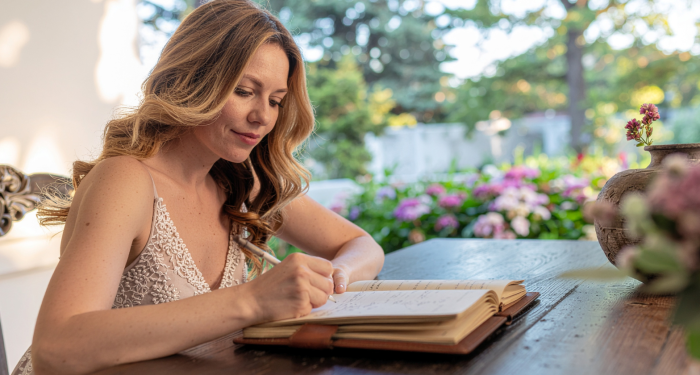
The physical address book forces you to slow down. You choose who gets added. You decide where they go. You physically write their name, forming each letter with your hand. This isn't resistance to technology — it's a completely different relationship with memory and connection.
What autofill took away
Remember when you had to actually know how to get places? Or at least write down directions? Now we just type an address and follow the blue line.
The same thing happened with our relationships. We don't need to remember birthdays — Facebook tells us. We don't need to remember phone numbers — they're all stored. We don't even need to remember last names half the time — just start typing and autofill does the rest.
This convenience came with a cost. We outsourced our memory to machines, and in doing so, we lost something fundamental about how we relate to the people in our lives.
When you had to flip through pages to find someone's number, you'd see other names along the way. "Oh, I should call them too." That serendipitous rediscovery doesn't happen when you just search for exactly who you want.
The psychology of physical writing
Dr. Virginia Berninger, an educational psychologist, explains that "Writing by hand requires more mental effort than typing or tapping. Cognitive psychology refers to this as generative encoding. When writing manually, the brain must select words, form letters, and control movement simultaneously."
This isn't just about nostalgia. There's real science here about how our brains process and store information differently when we write versus type.
I've mentioned this before but the act of writing creates what psychologists call "embodied cognition" — your body and mind working together to create meaning. When you write someone's name, you're not just recording it. You're experiencing it through movement, through the friction of pen on paper, through the visual creation of each letter.
The people who still maintain physical address books understand this intuitively. They're not luddites refusing to adapt. They've chosen a different way of valuing and remembering the people in their lives.
The ritual of connection
A friend recently showed me her address book. She's 38, works in tech, has every app imaginable. But she still keeps this small notebook where she writes down the contact information of people who matter to her.
"It's my way of saying you're important enough to remember," she told me. "When I write someone's name in here, it means something."
She's onto something profound. In a world where we can connect with anyone instantly, the act of deliberately choosing who to remember becomes even more meaningful.
There's also something about the permanence of it. Digital contacts feel ephemeral — they can be deleted with a swipe. But crossing out someone's name in an address book? That carries weight. Adding someone new? That's a commitment.
What we're really talking about here
This isn't really about address books versus smartphones. It's about intention versus automation. It's about choosing which relationships deserve our mental real estate.
Studies have found that handwriting is more cognitively demanding than typing, requiring deeper encoding of information, which enhances memory retention and comprehension.
When my grandmother wrote someone's address in her book, she was making a choice. This person matters. I will remember them. I will make the effort.
When I add someone to my phone, I'm often just hitting "save" after a meeting, knowing I'll probably never look at that contact again.
The people who still keep physical address books have maintained something we've lost: the understanding that remembering someone is an act of care. They've preserved the ritual of deliberate connection in an age of automatic everything.
Wrapping up
I'm not suggesting we all go back to physical address books. That ship has sailed, and honestly, the convenience of digital contact management is undeniable.
But maybe there's something to learn from those who still write names by hand. Maybe we need to find new ways to be deliberate about our connections, to make remembering an active choice rather than a passive default.
After going through my grandmother's address book, I started something new. I keep a small notebook where I write down the names of people who've made a difference in my life recently. Not their contact info — I have that digitally. Just their names and a note about why they matter.
It's my way of resisting the automation of relationships. Of saying that some connections deserve more than just being another entry in an endless digital scroll.
The act of writing someone's name by hand might seem quaint in 2025. But maybe that's exactly why it matters. In a world where everything is instant and automatic, the deliberate act of remembering becomes revolutionary.
If You Were a Healing Herb, Which Would You Be?
Each herb holds a unique kind of magic — soothing, awakening, grounding, or clarifying.
This 9-question quiz reveals the healing plant that mirrors your energy right now and what it says about your natural rhythm.
✨ Instant results. Deeply insightful.

Jordan Cooper
Jordan Cooper is a pop-culture writer and vegan-snack reviewer with roots in music blogging. Known for approachable, insightful prose, Jordan connects modern trends—from K-pop choreography to kombucha fermentation—with thoughtful food commentary. In his downtime, he enjoys photography, experimenting with fermentation recipes, and discovering new indie music playlists.
More Articles by Jordan