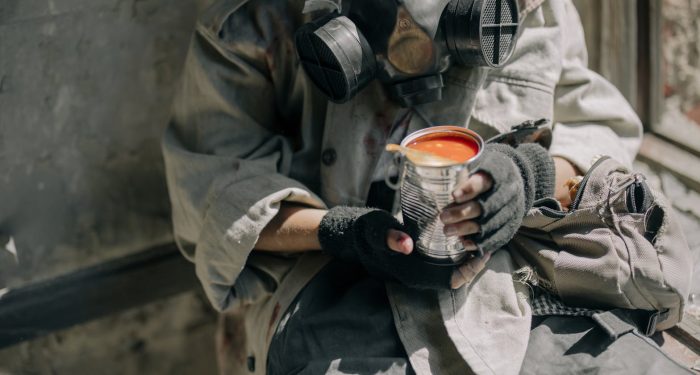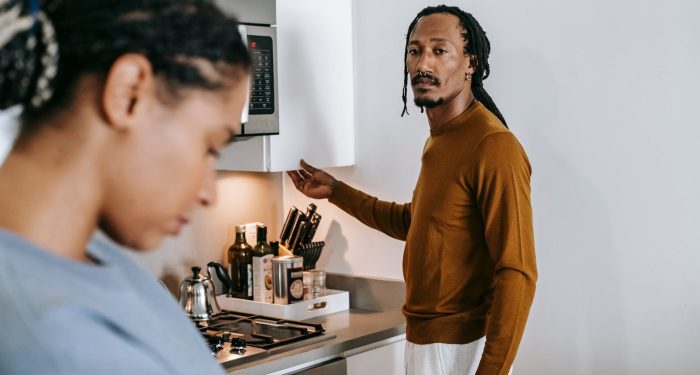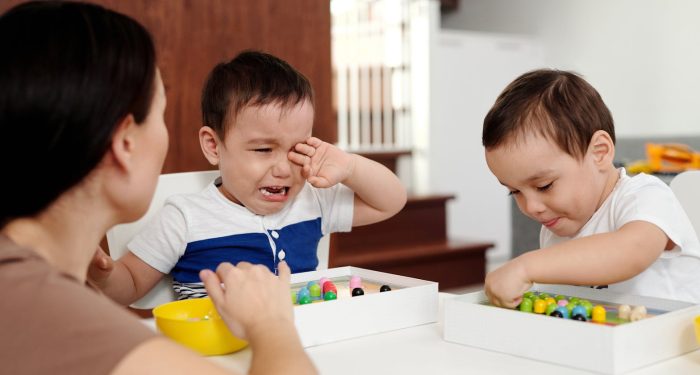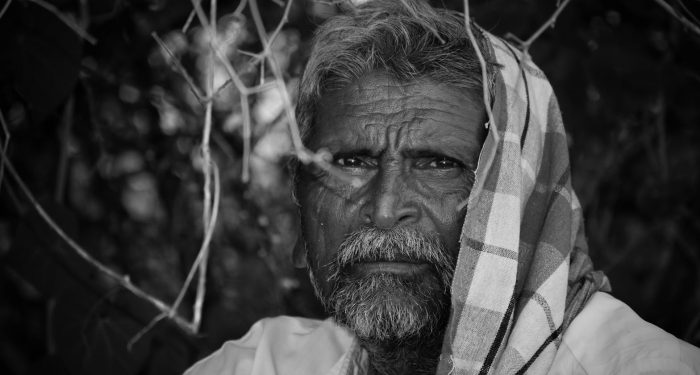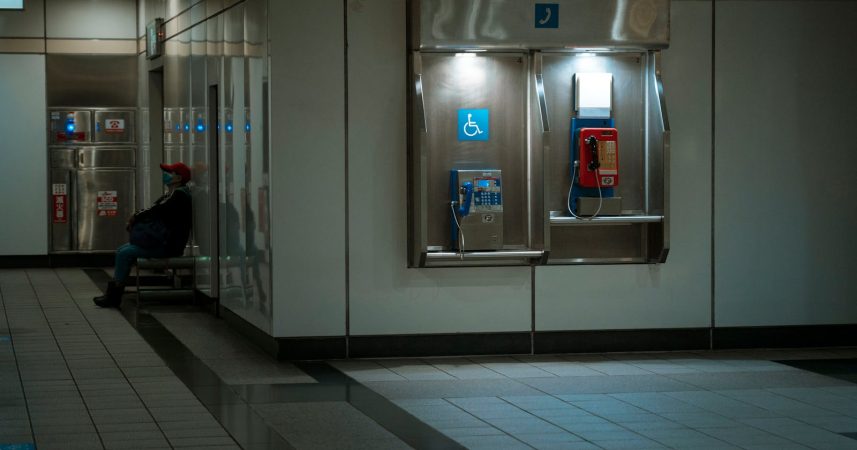
They're the ones you admire for having it all together, who'd rather spend $500 on Uber and towing than call a friend for help — not because they don't trust you, but because their seven-year-old self is still waiting in the dark, having learned that reaching out only reveals who won't show up.

Add VegOut to your Google News feed. 
You know that friend who seems to have it all together? The one who never asks for rides to the airport, never needs help moving, never calls at 2 AM crying about their breakup?
I used to be that person. Still am, mostly.
Last month, my car broke down on the highway. Instead of calling any of the dozen friends who lived nearby, I spent $180 on an Uber home and another $300 on towing. When a friend found out later, she was hurt. "Why didn't you call me?" she asked.
The truth? It literally never occurred to me as an option.
And that's when I realized something profound about those of us who pride ourselves on never needing anybody. We're not actually stronger than everyone else. We're just people who learned early that help wasn't coming.
The seven-year-old who stopped asking
Think about a seven-year-old for a moment. At that age, you're supposed to believe the world revolves around you. You're supposed to trust that adults will catch you when you fall.
But what happens when you're seven and crying because you're scared of the dark, and nobody comes? What happens when you ask for help with homework and get told you're being too needy? What happens when you reach out and find empty air?
You learn. You adapt. You become the most capable seven-year-old on the block.
By eight, you're packing your own lunch. By ten, you're walking yourself to school in the rain. By twelve, you're the kid other parents compliment: "So independent! So mature for their age!"
Nobody sees that this independence isn't a choice. It's survival.
When self-reliance becomes your prison
Fast forward twenty or thirty years, and that seven-year-old has become an adult who literally cannot compute the concept of asking for help.
It's not pride. It's not stubbornness. It's that somewhere deep in your nervous system, you've coded asking for help as dangerous. Your brain treats it like touching a hot stove.
I've watched myself do ridiculous things to avoid asking for support. Moving furniture alone that clearly requires two people. Googling medical symptoms instead of calling a doctor friend. Figuring out tax problems myself instead of asking my accountant buddy who's offered help a dozen times.
The wild part? People think we're rejecting them. They think we don't trust them or value their friendship.
But that's not it at all. We literally cannot access the part of our brain that knows how to reach out. It got disconnected a long time ago.
The invisible weight we carry
Here's what nobody talks about: being this self-reliant is exhausting.
You're carrying everything, all the time. Not because you want to, but because your nervous system won't let you put anything down. You've become your own parent, therapist, cheerleader, and rescue team.
And the cruel irony? The very people who trained us to be this way often turn around and call us cold or distant. They wonder why we don't share our struggles, why we don't lean on family, why we seem so closed off.
Really? You're wondering why the person you taught to never need anything doesn't know how to need you now?
Why we look so strong (when we're actually breaking)
People see our self-reliance and mistake it for strength. They admire how we "handle everything ourselves." They wish they could be as "independent" as us.
But here's the thing about never asking for help: you never learn how to receive it either.
Someone offers to bring you soup when you're sick, and you literally don't know what to do with that. It feels wrong, uncomfortable, like wearing someone else's clothes. You find yourself making excuses about why you don't need it, why you're fine, why they shouldn't trouble themselves.
I've mentioned this before but genuine kindness can feel like an attack when you're not used to it. Your body doesn't know the difference between vulnerability and danger anymore.
The moment everything shifts
Sometimes, if we're lucky, something happens that breaks the pattern.
For me, it was my grandmother. She drove six hours to bring me soup when I had the flu in college. I tried to tell her not to come, that I was fine, that it wasn't necessary. She came anyway.
When she showed up at my door, I broke down crying. Not because I was sick, but because someone had come. Someone had actually come when I needed them.
It was like my seven-year-old self finally got what they'd been waiting for all those years.
Learning to let people in
Here's what I've learned: the people who love us want to show up. They're not keeping score. They're not judging our weakness. They actually feel honored when we trust them enough to be vulnerable.
But rewiring decades of programming takes time. You can't just decide to start asking for help and suddenly be good at it.
Start small. Let someone buy you coffee. Accept a compliment without deflecting. Tell one person one true thing about how you're actually doing.
It feels like jumping off a cliff every single time. Your body will scream that you're in danger. Your mind will race with all the ways this could go wrong.
Do it anyway.
The unexpected gift of receiving
You know what surprised me most about learning to accept help? It actually makes other people feel good.
When we never let anyone do anything for us, we're robbing them of the chance to show love through action. We're keeping them at arm's length, even when we don't mean to.
That friend who wants to pick you up from the airport? She's not offering because she thinks you're incompetent. She's offering because acts of service are how she shows love.
That colleague who keeps asking if you need help with your project? They're not implying you can't handle it. They're trying to connect with you.
Wrapping up
If you're one of those hyper-independent people who never asks for help, I see you. I know it's not strength that keeps you isolated. It's old programming from a time when you had no choice but to rely on yourself.
But you're not seven anymore. You get to choose differently now.
The people in your life who offer help? They're not the ones who didn't show up back then. They're here now, wanting to be let in, wanting to share the load.
Maybe it's time to let them.
Start with one small request. One tiny act of receiving. Let someone know you're struggling, even if your voice shakes when you say it.
Because the truth is, the most self-reliant people aren't the strongest. They're the ones who learned too young that they had to be.
And maybe, just maybe, it's time to unlearn that lesson.