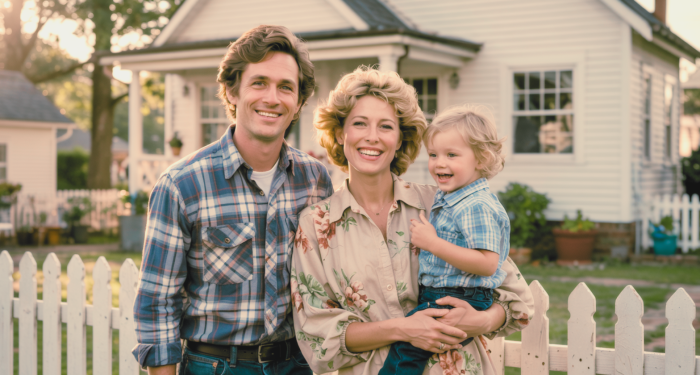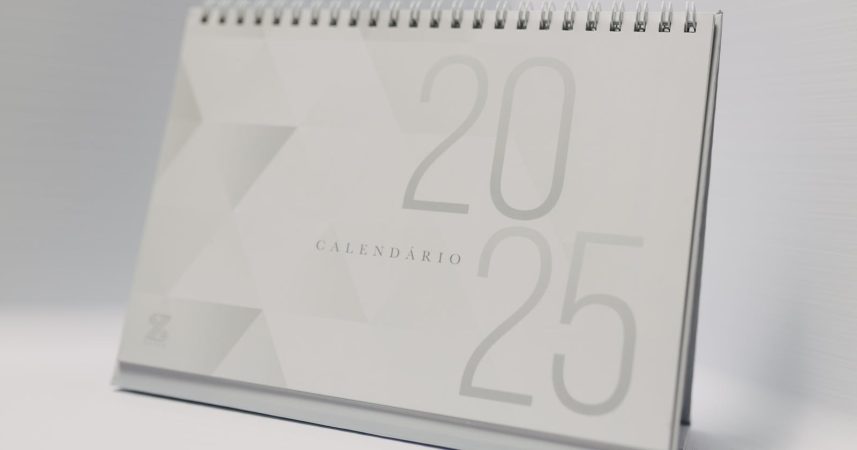
They perfect the art of being everywhere and nowhere at once, their days meticulously choreographed to avoid the terrifying possibility that someone might discover they're worth loving even when they have nothing left to give.

Add VegOut to your Google News feed. 
I met a woman at the grief support group last week who kept apologizing for crying. Between tissues and hiccups, she pulled out her phone to show me her calendar—every slot filled with committee meetings, volunteer shifts, family obligations. "I don't understand why I feel so alone," she said, scrolling through the colorful blocks of scheduled connection. "I see people every single day."
I recognized myself in her confusion. After 32 years of teaching high school English, after raising children and losing a husband, I've become something of an expert in the art of being indispensably alone. My own calendar looks like a game of Tetris played by someone afraid of empty spaces. Yet here I am at 72, surrounded by people who need me, wondering when I last had a conversation that didn't begin with "Could you help me with something?"
The currency of usefulness
When did we learn this equation—that being needed equals belonging? For me, it started young. My mother worked double shifts at the hospital, and I discovered that having dinner ready when she came home earned me more than gratitude. It earned me time. She'd sit with me, too tired to do anything but be present, and in those moments, I existed fully in her world.
This lesson solidified during my early years as a single mother. With two young children and half a teaching degree, I couldn't afford to be anything less than essential. I volunteered for every school committee, ran every fundraiser nobody wanted, offered to grade extra papers for colleagues who might later cover my classes when the kids were sick. Being helpful wasn't just about being good—it was about survival.
The strategy worked. People kept me around. Invited me to things. Remembered my name. But somewhere along the way, the boundaries blurred. Was the PTA president calling because she enjoyed my company, or because she knew I'd never say no to organizing the book fair? Did colleagues invite me to lunch, or did they invite my reliability, my willingness to listen to their problems without ever mentioning my own?
When caregiving becomes identity
My second husband saw through this constant motion. "You know you're allowed to just exist, right?" he'd say, watching me simultaneously cook dinner, help our grandson with homework, and plan the next church fundraiser. I'd laugh it off, but the observation haunted me. What would happen if I stopped? Who would I be?
Then Parkinson's gave me an answer I didn't want. For seven years, I threw myself into caregiving with the fervor of someone who finally had cosmic permission to be needed completely. I researched treatments, managed medications, became fluent in the language of adaptive equipment. When he died four years ago, the grief was complicated by a terrible realization: I had no idea who I was when nobody needed me.
The first months after his death, I barely left the house. Not from sadness alone, but from a kind of existential vertigo. Without students to teach, without a husband to care for, without knees that could handle standing all day in a classroom, the question loomed: If I wasn't useful, was I anything at all?
The loneliness of the over-scheduled
So I did what I'd always done—I filled the calendar. Tuesday mornings at the women's shelter. Wednesday literacy programs. Thursday grief support. Friday school volunteering. Soon, I was busier in retirement than I'd been while teaching. Every slot filled, every day purposeful, every moment accountable to someone else's need.
But here's what we don't talk about: there's a specific loneliness that comes with this kind of fullness. Last week, I attended four meetings, tutored three adults, had coffee with five different people, and still came home to a silence so complete I could hear the clock ticking in every room. I know the names of forty volunteers, can tell you about their children and their health problems, but when I had to list an emergency contact for a medical procedure, I hesitated.
Virginia Woolf wrote about "the cotton wool of daily life"—those unmemorable moments that make up most of our existence. But what happens when you've eliminated all the cotton wool, when every moment is purposeful, scheduled, useful? You end up with a life that looks full from the outside but feels hollow from within. No soft edges, no gentle spaces, no room for the kind of meandering conversation that leads to real intimacy.
The difference between being needed and being loved
Real love doesn't require a resume. This seems obvious, but for those of us who learned early to earn our place at every table, it's revolutionary. Love doesn't need us to organize the neighborhood potluck or volunteer for the school carnival or always be the one who remembers everyone's birthday. Love just needs us to show up—messy, uncertain, sometimes empty-handed.
I think about my students over the years, particularly the ones who joined every club, stayed after school without being asked, always volunteered to help. Their calendars full, their hearts echoing with empty rooms. I'd try to tell them what I couldn't tell myself: Your worth isn't measured in your usefulness. You're allowed to take up space simply because you exist.
My daughter calls every Sunday, worry threading through her voice. "You're doing too much, Mom," she says, and I hear my late husband's echo across the years. She's started sending me articles about the importance of rest, about saying no, about something called "boundaries"—a concept that feels as foreign as speaking Mandarin.
Learning to want instead of serve
Last month, something shifted. I was at the library, setting up for the reading program I coordinate, when a new volunteer asked, "What do you do for fun?" The question stopped me cold. Fun? Everything I do is meaningful, important, helpful. But fun?
That night, I started a new journal. Not a gratitude journal or a planning journal, but a wanting journal. It felt selfish, dangerous, necessary. So far, I've written: I want to learn to paint badly. I want to read novels without reviewing them for anyone. I want to have coffee with someone without offering to solve their problems. I want to be missed for my presence, not my usefulness.
In my last post about finding purpose after loss, I mentioned the importance of rediscovering yourself. But I'm learning there's a difference between finding purpose and hiding behind it. Purpose can become another mask, another way to avoid the vulnerable work of simply being human with other humans.
The courage to be unnecessary
I've started experimenting with saying no. When the PTA president from my old school called asking me to head up the retired teacher volunteer program, the old me would have said yes before she finished the sentence. Instead, I said, "Let me think about it." A week later, I called back: "I'm sorry, but no."
The world didn't end. The sun still rose. Nobody stopped caring about me.
I'm learning to leave spaces in my calendar—not to be filled with obligations, but with possibility. Room for spontaneous phone calls that aren't about coordinating anything. Time to sit on my porch and watch birds without mentally drafting the neighborhood newsletter. Space to be surprised by my own desires.
There's a woman in my grief group who said something that rattled me: "I spent so long being needed that I forgot to want anything." We were quiet for a moment, all of us recognizing ourselves in her words. How many of us have calendars full of other people's needs, with no room for our own wants?
Final thoughts
The fullest calendars often belong to the emptiest people. We rush from commitment to commitment, mistaking motion for connection, usefulness for love. But love—real love—doesn't keep score. It doesn't need us to earn it through service or prove it through exhaustion.
At 72, I'm slowly learning what my second husband tried to teach me years ago: I'm allowed to just be. To take up space without apology. To matter without being useful. To be loved for my stillness as much as my motion. Some mornings now, I leave the calendar closed. I pour my coffee and sit at the kitchen table, feeling the radical act of being unnecessary to anyone's morning but my own.
What’s Your Plant-Powered Archetype?
Ever wonder what your everyday habits say about your deeper purpose—and how they ripple out to impact the planet?
This 90-second quiz reveals the plant-powered role you’re here to play, and the tiny shift that makes it even more powerful.
12 fun questions. Instant results. Surprisingly accurate.