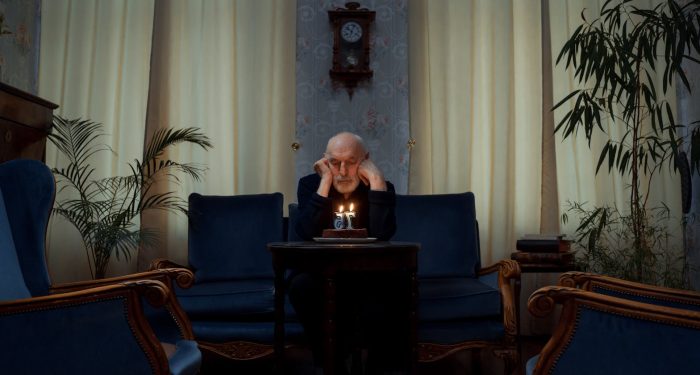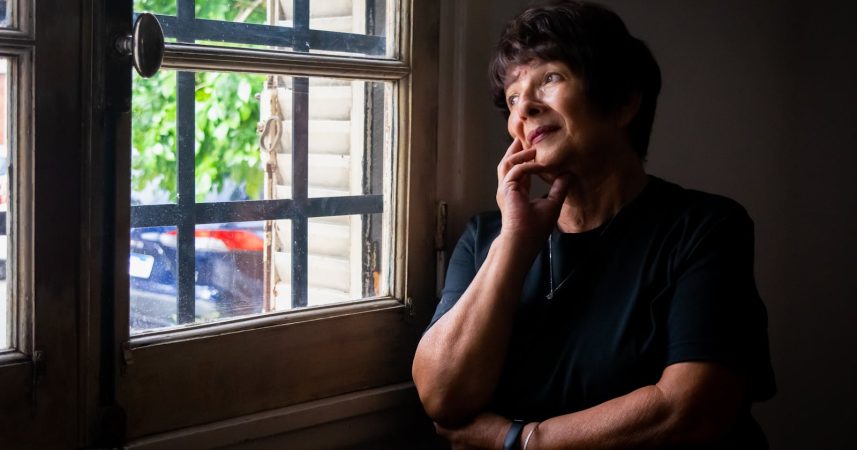
She spent decades building an impressive life that everyone envied, never realizing she was the only one still watching the show she was putting on for someone who had left the theater years ago.
Last Tuesday, I found a box in my closet while looking for a winter coat. Inside it was a newspaper clipping from 1999. The photo showed me smiling confidently at a school awards ceremony, and beneath it, a caption about innovative educators transforming their communities. I stood in my hallway holding that clipping for a long time, because I remembered exactly who I'd been smiling for. It wasn't the photographer. It wasn't my students. It was my ex-husband, who I hoped would somehow see it and understand he'd been wrong about me.
I spent fifteen years after my divorce constructing what looked like extraordinary success. Every promotion, every accomplishment, every carefully curated dinner party was a silent rebuttal to the man who told me I'd never amount to anything without him. What I understand now at seventy is that I was building my own beautiful prison. The view was spectacular. The door was locked from the inside.
The invisible audience that keeps you performing
Have you ever noticed how the most exhausting performances happen for people who aren't even watching? After my divorce, I became obsessed with showing everyone, especially him, that I was thriving. I threw myself into my teaching career with a vengeance that surprised even me. Within three years, I'd completely redesigned the English curriculum, started an after-school literacy program, and yes, won Teacher of the Year.
From the outside, I was crushing it. Colleagues praised my dedication. Parents requested their children be placed in my class. The local newspaper ran a feature about innovative educators, and there I was, smiling confidently in a photo that I made sure got posted everywhere.
But here's what that photo didn't show: the Sunday afternoons I spent grading papers instead of reading for pleasure. The friendships I let wither because I was too busy being impressive. The way I'd lie awake at night mentally rehearsing conversations where someone would tell my ex-husband how well I was doing. I was performing my life rather than living it, and my audience of one had probably moved on years ago.
When success becomes a costume you can't take off
The strange thing about building a life in opposition to someone else's opinion is that it starts to feel necessary. Like Sisyphus pushing his boulder up the mountain, I couldn't stop pushing even when I'd forgotten why I started. Every achievement became another brick in the wall of my vindication.
I remember sitting in a faculty meeting one afternoon, probably around age fifty-five, when our principal announced I'd won Teacher of the Year for the second time. As my colleagues applauded, I felt nothing. Not joy, not pride, just a hollow echo where satisfaction should have been. Because the truth was, this award wasn't really for me. It was another exhibit in a case I was presenting to a judge who had left the courtroom decades ago.
The most insidious part? I couldn't admit this to anyone. How could I tell my friends that my success felt empty when they saw me as someone who had it all together? How could I confess that every accomplishment felt like a performance when everyone praised my authenticity? I was trapped in a reputation I'd built as armor, and now that armor had become too heavy to remove.
The moment you realize nobody's keeping score
Virginia Woolf once wrote, "The eyes of others our prisons; their thoughts our cages." I stumbled across this quote in my late fifties during a particularly difficult therapy session where my therapist asked me a simple question: "Who are you trying to convince?"
I started to say my ex-husband's name, then stopped. He'd remarried years ago, moved across the country. He probably never thought about me at all. The revelation was both liberating and devastating. All those years of evidence I'd been compiling, all those silent arguments I'd been winning. I'd been the only one in the courtroom.
My therapist helped me understand something I'd written about in a previous post on people-pleasing: we often continue patterns long after they've stopped serving us because the alternative feels like admitting we've wasted time. But here's what I know now: the only real waste is continuing to live for an audience that exists only in your head.
Reclaiming your life from the phantom judges
That realization didn't transform me overnight. Learning to live for yourself after decades of performative success is like learning to walk again. You have to start small, with decisions that nobody else will notice or care about. For me, it began with Saturday mornings. Instead of grading papers to maintain my reputation as the most dedicated teacher, I started taking pottery classes. Was I good at it? Absolutely not. Did it advance my career? No. Did anyone care? Also no. And that was exactly the point. Slowly, I began to dismantle the life I'd built for show and started constructing one I actually wanted to inhabit. I let my house get messier. I admitted when I didn't know something. I stopped volunteering for every committee just to look indispensable. Some people noticed and probably thought I was slipping. Let them think it.
The real change came when I started asking myself different questions. Instead of "What would prove them wrong?" I began asking "What would bring me joy?" Instead of "How will this look?" I wondered "How does this feel?" These might sound like simple shifts, but when you've spent decades performing, authenticity feels radical.
Final thoughts
At seventy, when I look back at my forties and fifties, I see a woman who achieved remarkable things for all the wrong reasons. Those achievements weren't worthless. I helped countless students discover their love of reading, after all. But I wish I could tell that younger version of myself that the best revenge isn't success. It's indifference. The moment you stop needing to prove someone wrong is the moment you start being free.
This morning I made a lopsided bowl in my pottery class. I brought it home and set it on the kitchen counter, where it sits right now holding three tangerines. Nobody will ever write a newspaper feature about it. It will never prove anything to anyone. It's just a bowl I made because I wanted to, and that's the most free I've felt in thirty years.