Every night I set the table for ghosts, measuring out portions for people who will never come to dinner again, because the alternative—cooking for one—would mean accepting a truth my hands refuse to learn.
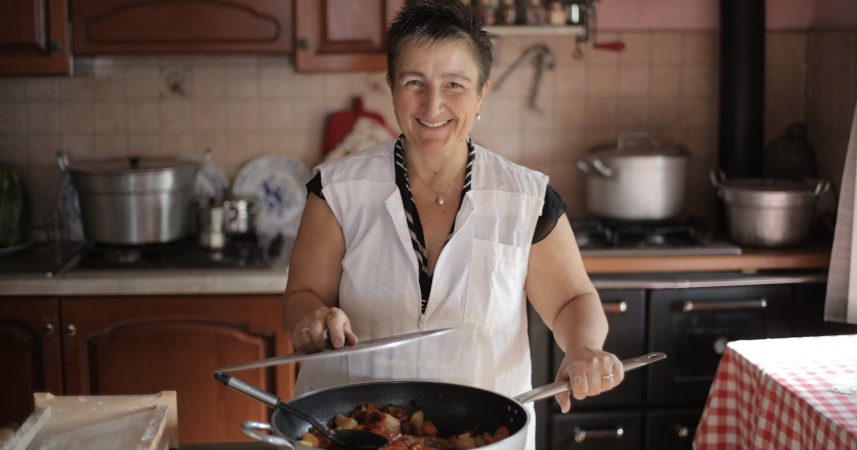
The kitchen timer beeps, and I pull out a casserole dish that could feed a small book club. Steam rises from the shepherd's pie, its golden peaks of mashed potato perfectly browned, just the way I've made it for decades. I set it on the cooling rack next to three other portions already wrapped and labeled for the freezer. Tomorrow, I'll do the same dance with a pot of chili that serves eight.
My neighbor asked me last week why I don't just buy those single-serving frozen dinners from the grocery store. I laughed it off and changed the subject, but her question has been rattling around in my mind like a marble in an empty jar.
The mathematics of denial
Here's what I've discovered about grief: it doesn't announce itself the way you'd expect. It doesn't always show up in tears at 2 AM or in that crushing weight when you wake up and remember all over again. Sometimes it lives in the mundane arithmetic of daily life. Four chicken breasts in the package at the store. Four place settings that I automatically pull from the drawer. Four portions of pasta measured out without thinking.
When you've cooked for a family for forty years, your hands know these measurements by heart. They move on autopilot, guided by muscle memory that doesn't care that the table only has one chair pulled out now. Every recipe I know starts with "this serves four." My brain could do the conversion to single portions, but my heart absolutely refuses.
I tell myself it's practical. Cooking in bulk saves money and time. The freezer is full of ready-made meals for busy days. All of this is true, but it's not the truth.
When rituals become lifelines
Every Monday, I make soup from whatever needs using up from the week before. This habit started when money was tight and two growing children could empty a refrigerator faster than I could fill it. Now it continues because the ritual of chopping vegetables and stirring stock feels like a conversation with the woman I used to be. The one who had to stretch every dollar and make sure nobody went to bed hungry. The one who had a purpose that filled every corner of the day.
Virginia Woolf once wrote about the cotton wool of daily life, those unmemorable moments that make up most of our existence. But what happens when that cotton wool unravels? When the routines that held your days together suddenly have no reason to exist?
You keep doing them anyway. You keep making soup for four.
The weight of an empty chair
During my husband's seven years with Parkinson's, I adapted every recipe to his changing needs. Softer foods, smaller bites, thicker liquids. I became an expert at making ordinary meals work within extraordinary limitations. Even when he could barely manage a few spoonfuls, I still cooked full portions. Hope, I told myself, lived in that extra serving.
Now the extra servings pile up in Tupperware containers with dates written in Sharpie on masking tape. Three days. That's how long I give myself before transferring them to the freezer, where they join their brothers and sisters in neat, frozen rows. Sometimes I wonder if archaeologists will someday excavate my freezer and puzzle over this monument to abundance in a house of one.
Finding grace in the grocery store
Do you know what the hardest part of shopping for one is? It's not the math or the waste. It's the pity in the checkout clerk's eyes when you buy a single pork chop. It's the way the world is designed for pairs and families, from restaurant portions to package sizes. Everything shouts that eating alone is a temporary state, something to be fixed.
But here's what I've learned: cooking for four when you eat alone isn't about being stuck in the past. It's about refusing to let the present make you smaller than you are. Every oversized lasagna is a declaration that my life still has abundance in it, even if that abundance is currently taking up too much room in my freezer.
Last month, I found my mother's old recipe box while cleaning out the garage. Her handwriting on those yellowed index cards made my throat tight. "Serves 6-8," she wrote on her famous pot roast recipe. She cooked for six even after five of us had grown up and moved away. Now I understand why.
The unexpected community of casseroles
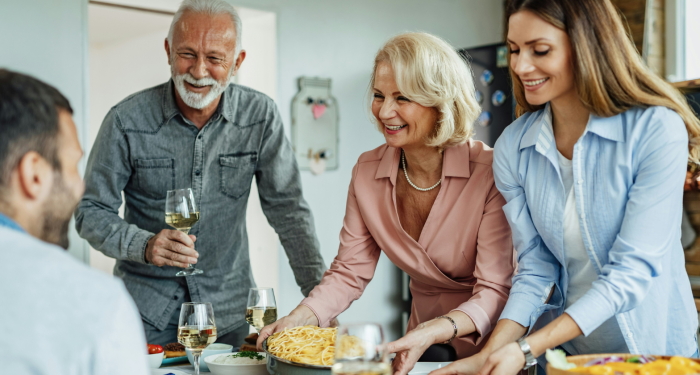
Something beautiful has emerged from my stubborn refusal to downsize my cooking. Those extra portions have become a currency of connection. The new mother down the street who just needs something she can reheat with one hand while holding a baby. The widower three houses over who never learned to cook because his wife handled that for sixty years. The college student renting the basement apartment who reminds me of my own kids at that age, living on ramen and optimism.
My freezer has become a lending library of meals, and returning the empty dish is just an excuse for a conversation on the porch. My weekly supper club friends joke that I'm running a underground restaurant, but they don't understand. I'm not feeding people; I'm keeping myself tethered to the world.
The truth I'm not ready to speak
Here's what cooking for one really means: it means accepting that this is not a phase. It means acknowledging that the future I planned for has been replaced by one I never imagined. It means admitting that I am no longer part of a "we."
Some days, I practice. I buy two chicken thighs instead of a whole chicken. I make a single serving of scrambled eggs. But then dinner rolls around, and I find myself reaching for the big pot, the family-sized package, the recipe that serves four. Because cooking for four means I'm still the same person I've always been, just with more leftovers.
Maybe someday I'll be ready to buy that single pork chop without feeling like I'm betraying something essential about myself. Maybe I'll learn to see cooking for one as an act of self-care rather than surrender. But not today. Today, I'm making a pot roast that serves six, using my mother's recipe, written in her careful script.
Final thoughts
If you're cooking for four and eating alone, you're not crazy, and you're not stuck. You're just human, navigating loss with a wooden spoon and muscle memory as your guides. Those extra portions aren't waste; they're hope, connection, and a bridge between who you were and who you're becoming. One day, you might be ready to cook for one. Or you might not. Either way, there's grace in the choosing, and probably someone nearby who could use a good home-cooked meal.
What’s Your Plant-Powered Archetype?
Ever wonder what your everyday habits say about your deeper purpose—and how they ripple out to impact the planet?
This 90-second quiz reveals the plant-powered role you’re here to play, and the tiny shift that makes it even more powerful.
12 fun questions. Instant results. Surprisingly accurate.