For decades I judged him harshly, but now at 62, setting up my own quiet corner in the garage, I understand that sometimes the most loving thing you can do for your family is to close a door and recharge alone.

Add VegOut to your Google News feed. 
My parents separated when I was 45, and I spent the next decade feeling guilty about something I couldn't quite name. Last month, setting up my own workspace in the garage, I finally figured it out. I was arranging an old workbench when the memory hit me: the previous owner, every single night, eating his dinner alone out there while his family sat around the kitchen table. For years, I thought he was avoiding them. Turns out he was just trying to survive.
The sacred hour nobody talks about
At 62, I've discovered something nobody tells you about getting older: you start to understand why people develop weird habits that aren't weird at all. They were survival tactics disguised as quirks. Those garage dinners? Pure self-preservation.
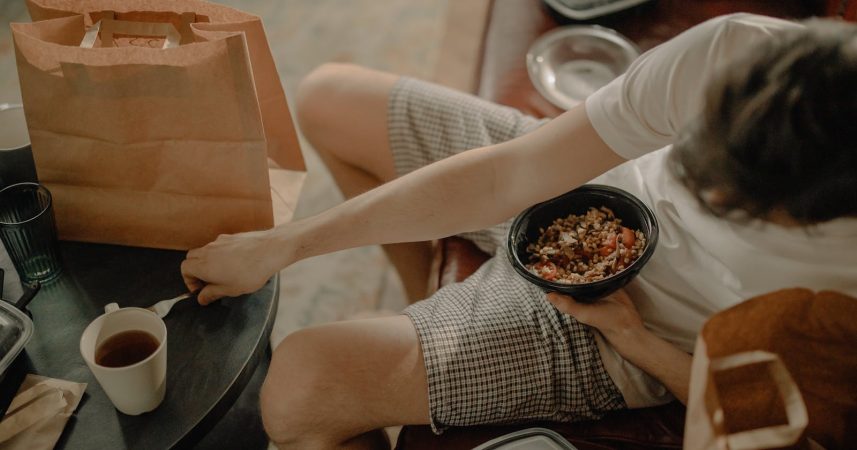
He'd come home from work at 6:30, grab his plate from the kitchen, and disappear into the garage with barely a word. His family would sigh and wonder what they'd done wrong. But now, having lived through my own version of those crushing years, I see it differently. That hour in the garage was the only time in his entire day when he could just exist without performing for anybody.
The restaurant business taught me this lesson the hard way. Thirty-five years of being "on" from the moment I walked through those kitchen doors until long after the last customer left. You learn to steal moments of solitude like a thief. A cigarette break behind the dumpsters (before I quit). Five minutes in the walk-in freezer, pretending to check inventory. The drive home with the radio off, just blessed silence.
When everyone needs a piece of you
Here's what nobody tells you about being needed: it's exhausting in ways that physical labor never touches. I could work a fourteen-hour shift during the holiday rush and feel less drained than after an hour of everyone needing decisions, approval, attention, solutions. In the restaurant, I was pulled in twelve directions at once. The cook needs a day off. The supplier shorted us on produce. The new server just dropped a tray of drinks. The health inspector showed up unannounced.
At home, it was different but the same. The mortgage. The leaking roof. Ethan's school calling about his grades. Anne feeling neglected because I worked every weekend for fifteen years straight. Extended family with their opinions and their problems and their constant need for validation. Even good things felt heavy. Birthday parties. Anniversary dinners. School plays. All of it required me to be present, engaged, performing the role of father, husband, son, brother, boss.
I remember one Sunday, must have been ten years ago now. We'd had the whole family over for dinner. Twenty people in my dining room, and everyone needed something. Pass the potatoes. Can you look at my car later? Did you hear about cousin Tony's divorce? What do you think about this investment opportunity? By dessert, I locked myself in the bathroom for ten minutes just to breathe. Sat on the closed toilet lid and thought about those garage dinners.
The difference between hiding and protecting
There's a crucial distinction here that took me years to understand. Hiding is about fear, about avoiding responsibility or difficult conversations. What I've learned to do isn't hiding. It's protection. Not protection from my family, but protection of my ability to show up for them fully.
Think about your phone battery. You can run it down to zero, sure, but then it's useless until you plug it in. Human beings aren't much different. We just pretend we are. We glorify the person who never stops, who's always available, always giving. But that person usually ends up bitter, resentful, or completely burned out.
My first marriage ended partly because I never learned this lesson. I gave everything to the restaurant and came home empty. Thought I was being noble, sacrificing for the family. But you can't give what you don't have. Anne needed a husband, not a tired stranger who happened to sleep in the same bed.
With Linda, my second wife, I've learned to protect that recharge time. Every morning, I'm up at 6. Coffee, jazz music, and absolute quiet until 7. She understands because she has her evening bath ritual that I wouldn't dare interrupt. We're not avoiding each other. We're making sure we have something left to give when we come together.
Learning to close the door
The garage door. The bathroom door. The office door. Whatever door you've got, learning when to close it might be the most important skill nobody teaches. We're told that good parents, good partners, good people are always accessible. That love means constant availability. What garbage.
Love means showing up as a whole person, not a hollowed-out shell of duty and obligation. That hour in the garage with a sandwich and some music isn't selfish. It's the most generous thing you can do. Because when you come back inside, you're ready to be present again. Not the person who's dealt with difficult customers all day. Not the person worried about bills and mortgages. Just someone ready to help with homework or fix a broken toy or listen to whatever crisis needs navigating.
I see it now with my grandchildren. When I'm depleted, I'm impatient. Short-tempered. Going through the motions. But after my morning hour of solitude, or an afternoon bike ride, or even just fifteen minutes sitting in my car before I walk into their house, I'm the grandfather they deserve. Present. Patient. Genuinely interested in their elaborate stories about playground drama.
Final words
Last week, I was organizing the garage and found myself setting up a small corner with a stool and a workbench. Linda caught me and smiled. "Finally making your own garage dinner spot?" she asked. We both laughed, but she wasn't wrong.
At 62, I'm not apologizing anymore for needing that hour of solitude. Whether it's my morning coffee ritual, a solo bike ride, or yes, occasionally eating a sandwich alone in the garage, these aren't acts of withdrawal. They're acts of love. For my family, sure, but also for myself. Because the man who never stops to recharge eventually has nothing left to give.
Some people never explain their need for solitude. Maybe they can't. Maybe in certain generations, people didn't talk about needing space to just be. But through years of hard-won experience, I've learned that protecting your peace isn't selfish. It's how you protect your ability to love.
So here's to all the garage dinners, the bathroom breaks that last too long, the early morning coffee in blessed silence. Here's to the people who understand that sometimes love looks like a closed door and a quiet hour. And here's to finally being old enough to stop feeling guilty about it.
What’s Your Plant-Powered Archetype?
Ever wonder what your everyday habits say about your deeper purpose—and how they ripple out to impact the planet?
This 90-second quiz reveals the plant-powered role you’re here to play, and the tiny shift that makes it even more powerful.
12 fun questions. Instant results. Surprisingly accurate.