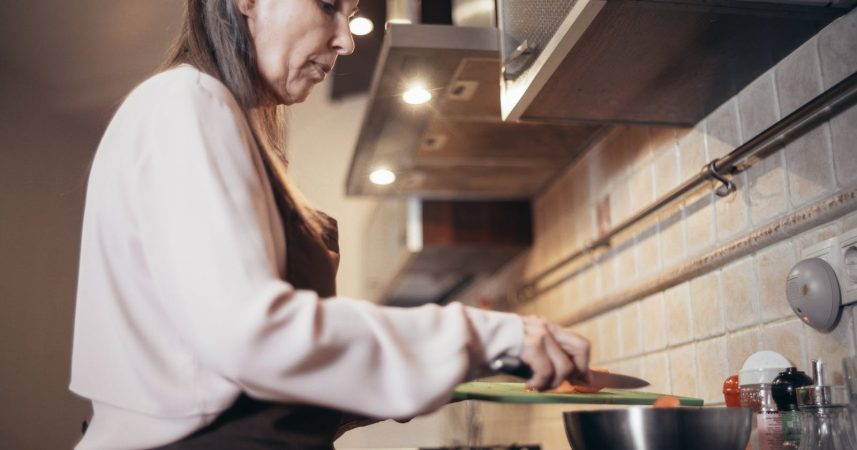
After thirty-five years of crafting meals to please strangers' palates, a retired chef discovers that true culinary freedom means eating the exact same lunch every single day—and refusing to apologize for it.
The day I hung up my chef's whites for good, I stood in my empty restaurant kitchen and made myself a promise: I'd never again eat something just because someone else thought I should. Took me thirty-five years of plating other people's dreams to realize that freedom isn't about having endless choices. Sometimes it's about choosing to stop choosing.
My lunch today was sourdough, hummus, and tomato. Same as yesterday. Same as it'll be tomorrow. My wife Linda calls it depressing. My doctor shrugs and says the nutrition checks out. But they're both missing the point entirely.
The weight of other people's hunger
Running a restaurant means living inside other people's appetites. Every dish that leaves the kitchen carries someone's expectations, their special occasion, their bad day that needs fixing. You taste everything with their mouths, season it to their memories, present it for their Instagram photos.
I spent thirty-five years asking myself the same questions a hundred times each night: Is it good enough? Will they like it? What if they send it back? The mental load of feeding strangers isn't just about getting the orders right. It's about carrying the responsibility for their satisfaction, their celebration, their comfort.
You learn to divorce yourself from your own preferences. Your palate becomes a tool for prediction, not pleasure. I could tell you exactly how much salt would make the average customer happy, but I couldn't tell you how much I actually liked.
When rebellion looks like routine
People assume that after years in professional kitchens, I'd want variety, adventure, maybe even a bit of culinary showing off in my personal meals. They picture me whipping up elaborate brunches, trying new fusion recipes, turning my retirement into some kind of endless food festival.
The truth is less photogenic. Most mornings, I wake up knowing exactly what lunch will be, and that knowledge feels like winning the lottery. Not because sourdough and hummus is particularly special, but because I chose it without committee, without compromise, without consideration for anyone else's taste buds.
Linda thinks I'm stuck in a rut. She sends me recipes, suggests restaurants, worries that I'm not "living fully" in my retirement. What she doesn't understand is that this predictable lunch is the most radical act of my post-restaurant life. It's my daily declaration of independence from the tyranny of trying to please everyone.
The privilege of not performing
There's a specific exhaustion that comes from turning your passion into your profession. Every chef I know has complicated feelings about food once they step away from commercial kitchens. Some never cook again. Others become obsessed with perfecting a single dish. Me? I chose the middle path of pleasant monotony.
My sourdough comes from the same bakery every week. The hummus is store-bought, nothing fancy. The tomatoes are whatever looks decent at the market. There's no presentation, no garnish, no consideration for color balance or texture contrast. I eat it at my kitchen table, usually while reading, sometimes in complete silence.
This meal doesn't need to impress anyone. It doesn't need to be documented or reviewed. It exists solely for the purpose of satisfying my specific hunger at that specific moment. After years of meals as performance art, eating without an audience feels revolutionary.
Why doctors miss the point about repetition
My doctor looked at my food diary and pronounced my lunch "nutritionally adequate" with the enthusiasm of someone reading a tax form. He suggested I might want to vary my proteins, maybe add some leafy greens. He pulled up charts about dietary diversity and the benefits of eating the rainbow.
What medical professionals often overlook is that food isn't just fuel. For those of us who've had complicated relationships with feeding others, the act of eating can be loaded with invisible labor. Every new recipe is a decision tree of possibilities and potential failures. Every variation requires mental energy that I'd rather spend elsewhere.
The sameness of my lunch isn't laziness or depression or lack of imagination. It's the conscious choice to remove decision fatigue from one part of my day. It's choosing peace over variety, satisfaction over surprise.
Learning to disappoint people gently
Friends invite me to lunch and I decline, explaining I've already planned my meal. They look at me with confusion, sometimes pity. "But we're going to that new place everyone's talking about," they say, as if novelty itself is nutrition.
I've learned to let their disappointment exist without trying to fix it. This is perhaps the hardest lesson from my restaurant years finally bearing fruit: not every disappointed face is my responsibility to turn around.
Linda brings it up during dinner sometimes. "Are you okay? Really okay?" She means well. She worries that routine is a sign of giving up, that predictability equals decline. I tell her I'm fine, which is true but insufficient. How do you explain that some freedoms look like limitations from the outside?
The earned right to bore yourself
Here's what nobody tells you about retirement: after decades of being needed, being busy, being responsible for others' satisfaction, the ability to bore yourself becomes a luxury. My lunch might be repetitive, but it's mine. No focus groups, no comment cards, no Yelp reviews.
I earned this monotony through thirty-five years of long days, of burns and cuts and aching feet, of smiling while customers complained that the soup was too hot, then too cold, then too exactly what they ordered but not what they wanted.
Every identical lunch is a small celebration of no longer needing anyone's approval. The sourdough doesn't need to be artisanal. The hummus doesn't need to be homemade. The tomato doesn't need to be an heirloom variety with a story. They just need to be what I want, when I want it, without apology or explanation.
Final words
Tomorrow I'll make the same lunch again. Linda will probably mention another recipe I won't try. My doctor will continue to believe nutrition is just about vitamins and minerals. And I'll sit at my kitchen table, eating my sourdough with hummus and tomato, finally understanding that freedom sometimes tastes like the same thing every single day.
The real luxury isn't having endless options. It's having the power to stop performing your choices for others. After feeding strangers for thirty-five years, I've learned that the most radical thing you can do is eat exactly what you want, even if what you want never changes. Especially if what you want never changes.