A cousin's bitter laugh while holding her dead mother's unused china—still bearing price tags after forty years—reveals the heartbreaking truth about families who treated their own homes like museums they weren't worthy enough to enter.

Add VegOut to your Google News feed. 
I spent last week helping my cousin clean out her late mother's house, and there it was: a cabinet full of dishes nobody had eaten from in forty years. Still in perfect condition. Still waiting for the special occasion that never came.
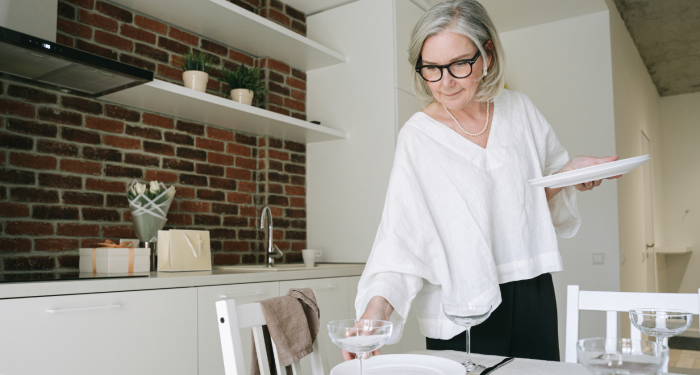
You know exactly which dishes I mean. The ones with the gold trim that lived behind glass doors. The ones that watched from their perch while the family ate off the mismatched plates from the grocery store. My cousin held up a pristine teacup, tags still attached, and laughed that kind of laugh that's really crying in disguise.
"She was saving them for when important people came over," she said. Then quieter: "We weren't important enough."
The museum nobody visited
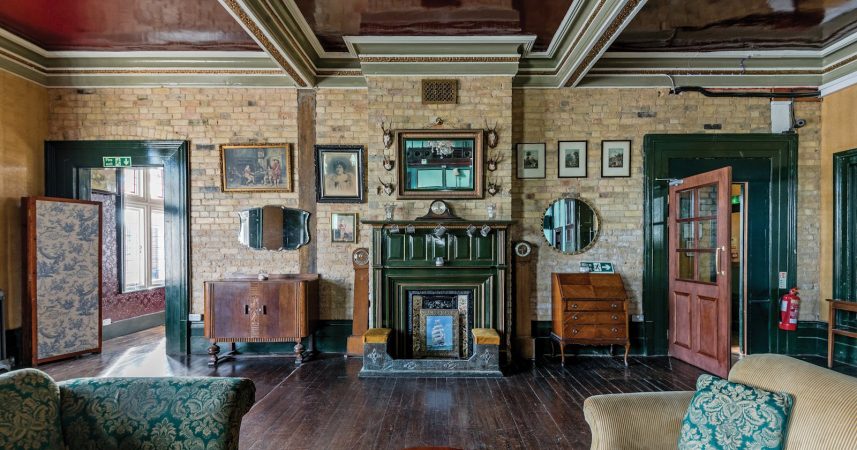
Growing up, our living room was less a room and more a shrine to the life we were supposedly working toward. Plastic slipcovers on the sofa that stuck to your legs in summer. Lampshades still wrapped in cellophane. A carpet covered by a runner that was itself covered by clear plastic, like some kind of inception of protection.
The only time we used that room was for funerals and first communions. Even then, we perched on the edge of the furniture like birds ready to flee, terrified of leaving an impression on cushions that had never learned the shape of a human body.
My mother would vacuum that room twice a week, straightening pillows nobody had touched, dusting tables that held nothing but other decorative things that couldn't be touched. It was exhausting, maintaining a museum nobody visited.
The real living happened in the kitchen, around a wobbly table covered in burns from hot pots and scratches from decades of homework. We crowded together on mismatched chairs held together with duct tape and determination, while twenty feet away sat a dining room set that cost six months of my father's wages.
When preservation becomes prison
There's something particularly cruel about growing up surrounded by nice things you can't touch. It teaches you that beauty isn't for you, that comfort is something you haven't earned, that the best parts of life are for other people - better people, future people, theoretical people who never quite materialize.
I remember doing homework at the kitchen counter because the desk in my room was "too nice" to actually use. My mother had covered it with a sheet of glass to protect the wood, then put a tablecloth over the glass to protect it from scratches. The tablecloth had to stay clean, so I couldn't put my books on it. The desk existed in perfect condition, perfectly useless, a monument to potential that never converted to purpose.
This extended to everything. Good shoes stayed in boxes while we wore the everyday ones until they fell apart. The nice coat hung in the closet while I shivered in the old one. There were towels for us and towels for guests, dishes for us and dishes for company, a whole parallel universe of better things waiting for better people.
The inheritance of scarcity
My parents weren't poor, not really. My father ran a small souvlaki shop. We had enough. But they'd grown up with less than enough, and that kind of hunger stays in your bones long after your belly is full.
They were saving for disaster, for opportunity, for the day when somehow having unused towels would matter. Every nice thing they bought came with an unspoken contract: This is too good for everyday. This is for later. This is for them, not us.
The tragedy is that they were right, in a way. Those saved things did come in handy - when we sold them at the estate sale. All those preserved moments, those waiting occasions, those future celebrations got converted back into cash, having never been converted into memories.
I watch my own adult children now, and I see how this training shaped us. My stepchildren apologize when they use the "nice" coffee mug at my house. My son brings his own towel when he visits because he doesn't want to dirty mine. They move through spaces like they're temporary, like they're borrowing their own lives.
Breaking the spell
The first time I used the good towels on a random Thursday, my hands actually shook. I was in my 30s, living alone after my divorce, and I stood in my bathroom having an existential crisis over terry cloth.
But I dried my hands on those pristine white towels. Nothing happened. Lightning didn't strike. The towel police didn't break down my door. The towels were just towels, doing what towels do.
That small rebellion opened something in me. I started using the wine glasses for water. Eating breakfast off the "company" plates. Sitting - actually sitting - on every piece of furniture I owned. It felt reckless and ridiculous and absolutely necessary.
My mother was horrified when she visited. "You're using the good glasses for everyday?" she gasped, like I'd announced I was joining a cult. In a way, I had - the cult of believing that today deserves the good stuff.
What we're really saving
Here's what took me too long to understand: It was never about the towels or the furniture or the dishes. It was about worth. Every preserved item was a declaration that we weren't good enough for our own belongings, that real life was happening somewhere else to someone else.
We confused care with denial, preservation with purpose. We thought if we kept things nice enough, long enough, we'd eventually become the kind of people who deserved them. But that day never comes because it's not about becoming. It's about deciding.
Deciding that your random Wednesday morning coffee deserves the good mug. That your tired body deserves the comfortable chair. That your ordinary hands deserve the soft towels. Not because you've earned it through suffering or waiting or being good enough, but because that's what these things are for.
Final words
Last month, I helped my mother finally open those good towels she'd been saving for thirty years. We used them to dry dishes after Sunday dinner - the regular dishes, not the good ones. She kept apologizing, like we were committing some kind of sacrilege.
But then she stopped mid-dry, holding a pristine towel now spotted with pasta sauce, and said something I'll never forget: "I've been saving my whole life for a moment that already passed."
The good towels are just towels. The protected furniture is just furniture. The special occasion dishes are just dishes. They don't get more valuable sitting in closets and china cabinets. They get valuable when they become part of the daily fabric of a life actually lived.
So use them. Use them all. Use them until they wear out from love instead of aging into irrelevance. Your ordinary life is the special occasion. You're the important guests. Today is the day you've been saving for.
The alternative is leaving behind cupboards full of unused beautiful things and a life full of unused beautiful moments. And unlike the dishes, you can't sell those back at the estate sale.