After decades of being the person everyone depended on, I discovered that the hardest part of retirement isn't losing the income—it's learning to exist in a world that keeps spinning perfectly without you.

Add VegOut to your Google News feed. 
The smell of garlic and onions hit me first, drifting up from the restaurant below our apartment. Six months into retirement, my body still responded like Pavlov's dog to those kitchen scents. My feet were on the floor before my brain caught up, hands already reaching for clothes that didn't need to be there. Linda's voice came from somewhere in the darkness: "It's Saturday. Go back to sleep." But sleep was done with me. Thirty-five years in the restaurant business had rewired my nervous system, and four years later, I still haven't found the off switch.
The phantom limb of purpose
You know that feeling when you've forgotten something important but can't remember what? That's retirement after decades in the restaurant business. Every morning, there's this split second where I calculate what needs prepping, who's on shift, whether we have enough ingredients for the weekend. Then reality lands: someone else is doing all that now. Someone else is checking the walk-in, arguing with suppliers, sweet-talking the health inspector. The relief and grief hit simultaneously, like vinegar and sugar in the same bite.
I sold the place to my former sous chef, who had the hunger I'd lost somewhere around year fifteen. Smart kid, though forty hardly makes him a kid. He kept most of the menu but added his own touches. Sometimes I walk by and see dishes I don't recognize in the window, and it feels like watching your ex with someone new. You want them to be happy, but damn if it doesn't sting a little.
The strangest part is how invisible you become. For eighteen years, I was "the guy who owns that place." People would stop me at the grocery store to complain about their overcooked fish or rave about our desserts. Now I'm just another guy buying tomatoes. The first time a former regular walked past me without recognition, I actually turned around to make sure I still existed.
When 4 a.m. becomes your enemy
The body keeps score, as they say. Four years out, and I still wake up at ungodly hours with my heart racing, convinced I've forgotten to order produce or that the new server didn't show up. My therapist calls it "entrepreneurial PTSD," which sounds dramatic until you've shot out of bed at 3:47 a.m. for the hundredth time, already mentally reviewing the reservation book for a restaurant you no longer own.
Linda's been patient, but I've caught her googling "retirement adjustment disorder" more than once. She lived through my restaurant years, the missed anniversaries, the family dinners I attended in body but not in spirit. She jokes that she finally got her husband back, except now he doesn't know what to do with himself. She's not wrong.
I started cycling obsessively. Forty, fifty kilometers most Saturday mornings, pushing until my legs scream louder than my brain. The cycling group I joined doesn't know about the restaurant, which is exactly what I needed. We talk about gear ratios and weather patterns and whose turn it is to buy coffee. Nobody asks about weekend specials or complains about wait times. It's beautifully, blessedly boring.
The unexpected grief of irrelevance
Here's what nobody tells you about retirement: irrelevance is a kind of death. Not dramatic, not tragic, just a slow fade to background. The world I built for eighteen years continues without me, and while that's how it should be, accepting it is like swallowing glass.
I tried consulting for a while, helping young restaurant owners with their systems and menus. But watching them make the same mistakes I made, knowing they won't listen any more than I did at their age, was exhausting. They'd nod politely at my advice about work-life balance while planning to work eighteen-hour days, just like I had. The irony wasn't lost on me.
The community food bank became my salvation. One Saturday a month, I run their kitchen like it's a professional service, because dignity shouldn't depend on your bank account. The other volunteers think I'm intense about plating, but if you're going to feed people, feed them with respect. My father ran a small souvlaki shop for thirty years and taught me that. Some lessons stick deeper than others.
Learning to be a civilian
Ethan once told me that having a restaurant owner for a father was like having a father with a chronic illness. Always there but never present, always tired, always thinking about something else. That hit harder than any bad review ever did. He's thirty-three now with his own family, and we have a standing Thursday evening call that I guard like gold. Showing up late is better than never showing up at all.
The grandkids help. My four-year-old granddaughter thinks I'm magic because I can flip pancakes without a spatula. She doesn't care that I used to feed two hundred people a night. She just wants me to make "the special noodles" (basic aglio e olio) and read stories with different voices. Her world is small and immediate and perfect, and being in it reminds me that importance and urgency aren't the same thing.
I went vegan at forty-seven, which in the restaurant world was like declaring myself an alien. My Greek father threatened disownment, my kitchen staff staged an intervention, and for months everything I cooked tasted like an apology. But it forced me to think differently about food, to build flavor from the ground up instead of defaulting to butter and calling it a day. Now I make cashew cream sauces that would have horrified my younger self, and even my skeptical mother admits they're good.
The art of becoming unnecessary
Some mornings I stand in my kitchen, coffee in hand, jazz playing low, and feel the pull of my old life like gravity. The muscle memory is still there: the way my hands want to prep, organize, prepare for a rush that isn't coming. But then Linda comes down, or the cat demands breakfast, or I remember I promised to help my neighbor with something, and the moment passes.
I write now, most mornings at the kitchen table where we used to go over invoices. Stories about the industry, about the beautiful chaos of feeding people, about the cook who taught me that anger has no place in food, about the customer who came regularly for years until she didn't. Writing gives shape to the days the way service used to, a beginning and middle and end, something to show for the hours.
The truth about selling your life's work is that relief and grief can coexist. I don't miss the anxiety dreams, the vendor negotiations, the equipment that broke at the worst possible moments. I don't miss choosing inventory over my kid's school play. But I miss the weight of keys in my pocket, the sense that people depended on me, the satisfaction of a perfect Saturday night service when everything clicked.
Final words
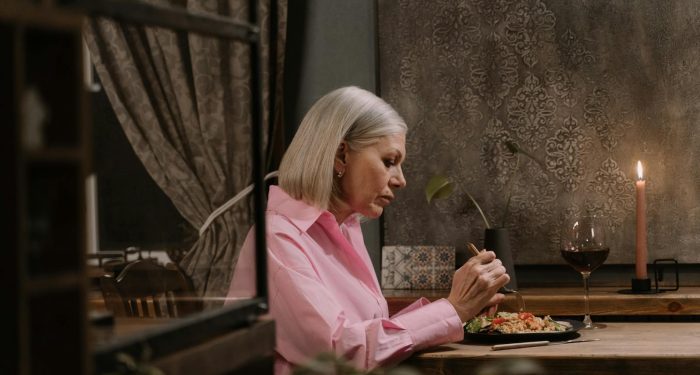
Last month, I walked past the restaurant on a Friday evening. Through the windows, I watched my former sous chef expediting, the servers dancing between tables, the whole beautiful machine humming along without me. My hand went to my pocket for keys that weren't there. Then I kept walking to meet Linda for dinner at a place where I could just be a customer, where nobody needed me to solve anything, where the only decision was what wine to order.
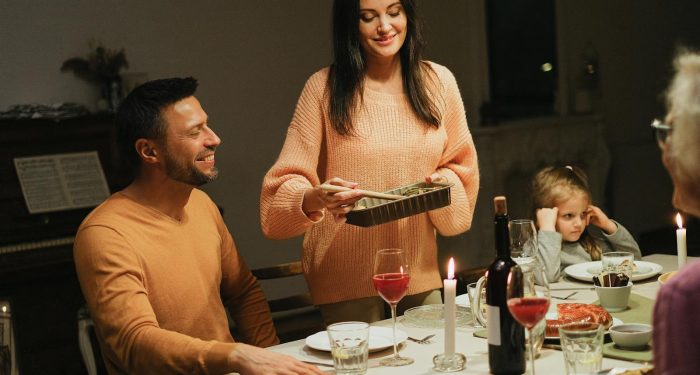
That's the gift hidden in the loss: discovering who you are when you're not needed. I'm sixty-two now. My knees hurt from decades on restaurant floors. I make elaborate Sunday dinners for a family that actually sees me at the table. I'm learning that being available might matter more than being essential, that presence beats productivity, that the world spinning without you is both the injury and the healing.
Some mornings I still wake at 4 a.m., but now I make coffee and write, or read, or just sit with the quiet that once felt like drowning but now feels more like floating. Nowhere on earth needs me to walk through the door, and I'm finally beginning to understand that as freedom rather than exile.