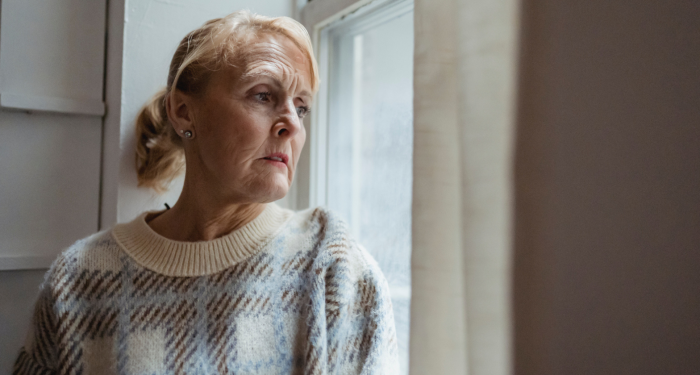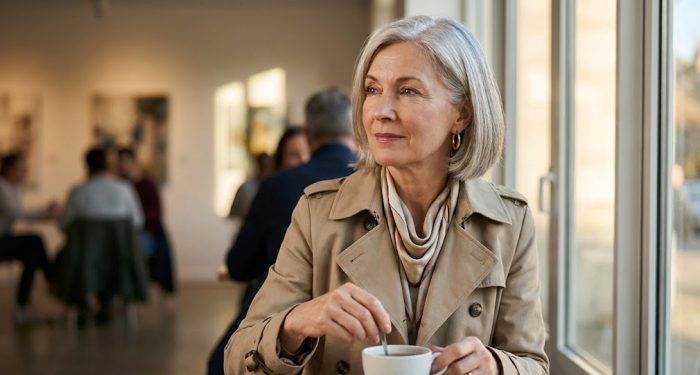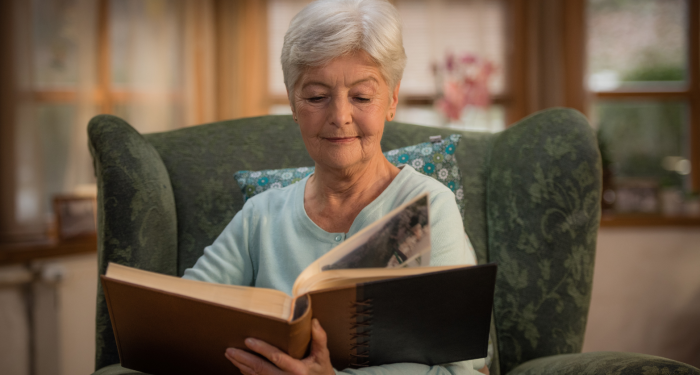
Standing in my empty kitchen at dawn, spreading peanut butter on bread for children who no longer lived at home, I realized I'd spent sixteen years filling their lunch boxes while starving myself of everything that mattered.

Add VegOut to your Google News feed. 
The peanut butter jar was already open when it hit me. My hands had moved through the ritual without consulting my brain, spreading creamy sweetness across whole wheat like I'd done thousands of times before. The morning light slanted through my kitchen window, illuminating the empty chairs where my children once sat, and suddenly I understood that I was making lunch for ghosts.
My youngest had left for college yesterday. Sixteen years of lunch-making had ended, but my body hadn't gotten the memo. There I stood at 6 a.m., knife suspended in air, realizing I'd been using their hunger to avoid my own for so long that I'd forgotten what it felt like to be fed.
The art of disappearing while feeding others
Have you ever been so busy taking care of everyone else that you forgot you existed? For sixteen years, I made lunches. Turkey and cheese for my son who hated mayo. PB&J cut diagonally for my daughter who insisted triangles tasted better. Ham and swiss for my husband during his long battle with Parkinson's. Each sandwich was an act of love, but somewhere between the first day of kindergarten and this empty-nest morning, I'd vanished into the role of provider.
The truth is, I'd been disappearing long before the lunch-making began. First into teaching, pouring myself into thirty-two years of students who needed more than literature lessons. Then into single motherhood when my first husband left. Later into caregiving when my second husband got sick. Each role demanded everything, and I gave it willingly, never noticing that I was slowly starving myself of my own identity.
That first week after my daughter left, I wandered through my house like I was touring a museum of my former life. The kitchen, once the heartbeat of our home, felt cavernous. I'd still make dinner, then realize I'd cooked enough for four and eat standing over the sink, tasting nothing but habit.
When feeding becomes avoiding
My friend Margaret from the widow's support group was the first to call me out. We were having our Thursday coffee when she noticed I'd barely touched my scone.
"When's the last time you ate a real meal?" she asked, her eyes gentle but knowing.
The question hung between us like an accusation. I made food constantly. My freezer was full of soups, casseroles, portions of things I'd never eat. But actually sitting down, actually tasting, actually nourishing myself? I couldn't remember.
"You've been so busy feeding everyone else, you've forgotten you're hungry too," she said.
She meant more than food, and we both knew it. I'd been emotionally and spiritually famished for years, filling the void with other people's needs. It was easier to focus on whether my son had enough protein in his lunch than to examine what I was hungry for in my own life. Safer to worry about my daughter's calcium intake than to acknowledge my own brittle places.
Learning to eat alone
The change started small. One morning, instead of eating toast while checking emails, I sat down at my kitchen table with my grandmother's china. You know, the set I'd been saving for "special occasions" that never seemed special enough. I made myself scrambled eggs with herbs from my garden and ate them slowly, tasting each bite like I was discovering food for the first time.
Then came the radical acts. Buying expensive cheese just for me. Making a single serving of pad thai on a Tuesday night. Opening a bottle of wine to have one glass with dinner, not caring that the rest might go bad. Each meal alone became a small rebellion against the idea that food only matters when it's shared.
I started setting the table for one with intention. A cloth napkin. A candle. Fresh flowers. Not because anyone would see, but because I would. Because after decades of making meals an act of service for others, I was finally learning that feeding myself could be an act of self-respect.
The hunger beneath the hunger
But here's what surprised me: once I started feeding myself actual food, I discovered other hungers I'd been ignoring. The hunger for creativity that led me to finally take that watercolor class. The hunger for adventure that put me on a plane to Italy, alone at sixty-seven, mangling Italian phrases and eating gelato for breakfast because why not? The hunger for my own voice that has me writing again, not comments on student papers, but my own thoughts, my own stories.
In one of my previous posts about rediscovering purpose after retirement, I mentioned how terrifying it can be to face a blank calendar. But this was different. This was facing a blank plate and deciding I was worth filling it with something beautiful.
I joined a hiking group and discovered my body, even with its creaky joints and replaced knee, still wanted to climb mountains. Started piano lessons, my arthritis-gnarled fingers stumbling over keys, proving it's never too late to be terrible at something new. Each activity was a form of nourishment I'd denied myself while busy feeding others.
Breaking the cycle of self-neglect
The hardest part wasn't learning to feed myself. It was learning to let others feed me. When my arthritis flared and I needed help with grocery shopping, accepting my neighbor Helen's offer felt like swallowing glass. But she reminded me of all the soup I'd brought her after her husband died, and I realized that receiving care could be a gift to the giver too.
Do you know what it's like to realize you've modeled self-sacrifice so thoroughly that your children think it's normal? My son visited last Christmas, and I watched him make his children's lunches with the same exhausted devotion I'd once shown. When his wife thanked him, he waved her off, saying he'd already eaten. I saw myself in that gesture, and it broke my heart.
"Feed yourself first," I told him later. "Not because your children matter less, but because they need to see that the person caring for them values themselves too."
Finding fullness
These days, I volunteer at a women's shelter, teaching resume skills but also teaching women who've spent their lives caring for others that they deserve care too. I see myself in their tired faces, in how they automatically serve everyone else first, in their apologies for taking up space.
"You can't pour from an empty cup," I tell them, this wisdom that took me seventy years to learn.
My refrigerator now holds single servings of things I actually want to eat. Good cheese. Fresh berries. Dark chocolate. The freezer still has soup, because old habits die hard, but now I invite the widow's support group over once a month. We feast on more than food. We feast on the knowledge that we're still here, still hungry, still worth feeding.
Virginia Woolf wrote, "One cannot think well, love well, sleep well, if one has not dined well." For so many years, I thought dining well meant feeding others. Now I understand it means feeding ourselves first, not from selfishness but from the deep understanding that we cannot give what we don't have.
Final thoughts
That morning at my counter, realizing I'd been making phantom lunches, was my awakening. Now when I stand in my kitchen at 6 a.m., the golden light streaming through the window, I make breakfast for myself first. Sometimes it's elaborate, sometimes simple, always intentional. The act of feeding myself has become a daily practice of remembering that I exist, that I matter, that my hunger is as real and valid as anyone else's ever was.
If you're reading this while eating something grabbed in haste, eaten without thought, I invite you to stop. Put it down. Make yourself something you actually want. Sit at a table. Use the good dishes. Light a candle. Feed yourself like you matter, because you do. Don't wait until you're standing alone in your kitchen, making sandwiches for ghosts, to realize you've been starving all along.
If You Were a Healing Herb, Which Would You Be?
Each herb holds a unique kind of magic — soothing, awakening, grounding, or clarifying.
This 9-question quiz reveals the healing plant that mirrors your energy right now and what it says about your natural rhythm.
✨ Instant results. Deeply insightful.
Marlene Martin
Marlene is a retired high school English teacher and longtime writer who draws on decades of lived experience to explore personal development, relationships, resilience, and finding purpose in life’s second act. When she’s not at her laptop, she’s usually in the garden at dawn, baking Sunday bread, taking watercolor classes, playing piano, or volunteering at a local women’s shelter teaching life skills.
More Articles by Marlene