From hiding cash in toolboxes to calculating every purchase in hours worked, these deeply ingrained money habits reveal how childhood financial trauma rewires our brains in ways that even decades of prosperity can't fully erase.
Still check my bank balance before buying coffee — not because I need to anymore, but because somewhere deep in my brain, the old programming runs on a loop that won't quit.
Growing up where every dollar had a destination before it even arrived shapes you in ways that prosperity can't quite undo. Even now, decades after those lean years, I catch myself doing things that make perfect sense to anyone who remembers counting change for gas or timing grocery trips to payday.
Hoarding cash in strange places
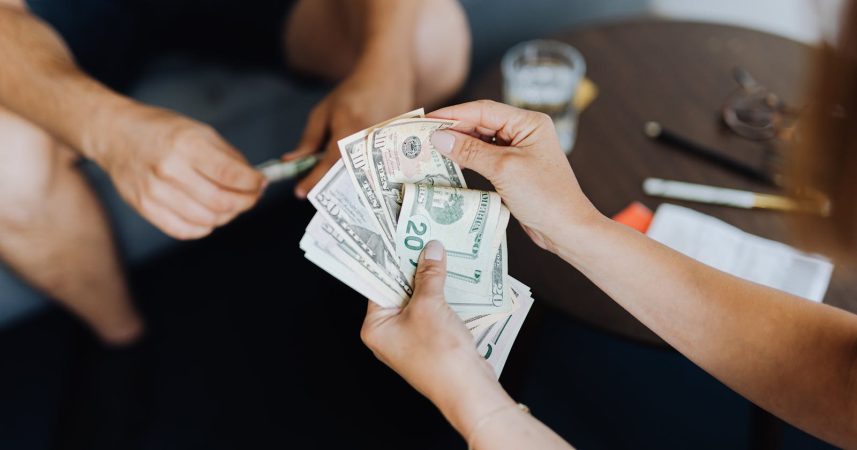
There's $200 in my toolbox. Another hundred tucked behind old tax returns. Not because I'm planning for the apocalypse, but because having physical cash hidden away feels like oxygen when you grew up watching the checking account hit zero every month.
This isn't about being paranoid or not trusting banks. It's muscle memory from households where "emergency fund" meant the twenty-dollar bill hidden in the kitchen. We learned that sometimes the difference between disaster and relief was having cash nobody else knew about — not even the bank, not even your spouse.
I know people who've done well for themselves, driving nice cars and living in beautiful homes, who still keep rolls of bills in their sock drawers. Old habits from new realities.
Bulk buying like the store might close tomorrow
Walk into my pantry and you'd think I'm preparing for a siege. Twelve tubes of toothpaste. Enough toilet paper to supply a small hotel. Canned goods that could feed a family through winter.
When you grow up running out of things because payday was still three days away, abundance feels temporary. You stock up because your nervous system remembers what scarcity felt like, even if your bank account has forgotten. Suze Orman, the personal finance expert, puts it perfectly: "The most important thing, really, for everybody to understand about their money ... is that you have got to live a life below your means, but within your needs."
The irony? We end up throwing things out because they expire. But that full pantry provides a comfort that has nothing to do with logic and everything to do with memory.
Calculating everything in hours worked
That new TV isn't $800 — it's forty hours at the old wage. Dinner out isn't $60 — it's half a shift. This mental math happens automatically, converting prices into time served, even when the equation no longer applies.
Back in the restaurant, I watched servers do this constantly. Every purchase translated to tables served, tips earned, doubles pulled. Years later, many of them still can't shake it. They've moved on to better careers, higher incomes, but their brains still run the old software.
Feeling guilty about small pleasures
The latte guilt is real. So is the shame of buying the good cheese or picking up flowers just because they're pretty. These tiny indulgences feel like betrayals of some unspoken code learned in childhood: frivolity is dangerous when margins are thin.
I know a woman who makes six figures but still buys generic everything and apologizes when she treats herself to a manicure. The money is there, but the permission isn't. We learned early that wanting things beyond necessity was selfish, maybe even reckless.
Keeping broken things way too long
My garage is a museum of things I might fix someday. A lawnmower that barely starts. A drill with a wobbly chuck. Shoes that need new soles. When you grew up in a house where buying new meant not buying groceries, you learned to squeeze every last breath out of everything you owned.
The habit persists even when replacement is affordable. There's virtue in making things last, we tell ourselves. But really, it's the echo of necessity dressed up as principle. We keep the broken things because throwing them away feels like admitting defeat to an enemy that stopped chasing us years ago.
Never ordering drinks at restaurants
Water with lemon, please. Always. The markup on beverages was one of the first things we learned to spot and avoid. Three dollars for a soda that costs thirty cents at home? That math burned itself into our brains early.
Even now, ordering a wine with dinner feels like lighting money on fire. The habit is so ingrained that when someone else is paying, we still hesitate. "Just water is fine," we say, as if spending someone else's money on our beverage pleasure might summon the poverty gods.
Checking prices on everything, even when price doesn't matter
I still flip over every price tag, compare unit prices, calculate the per-ounce cost difference between brands. This happens even when buying something I need and can easily afford. The mental calculations run whether I want them to or not.
It's exhausting sometimes, this constant measurement. But when you learned young that every penny had to justify itself, the accounting never really stops.
Avoiding debt like it's contagious
Credit cards get paid off immediately. Car loans make us nervous even with perfect payment ability. The thought of carrying a balance brings a physical discomfort that has nothing to do with interest rates and everything to do with remembering when debt meant disaster.
Emmie Martin's mother, a personal finance advisor, had it right: "Treat your savings like a bill. Even if it's only $20 a month, make it a habit to put away something every month."
We saw what happened when the bills came and the money didn't. The phone calls, the shut-off notices, the choosing which bill to pay this month. Now we pay everything early, in full, with a vigilance that probably looks obsessive to people who never lived that particular anxiety.
Feeling like the good times won't last
This might be the hardest one to shake: the persistent feeling that prosperity is temporary, that the other shoe hasn't just dropped yet — it's hovering, waiting for the worst possible moment to fall.
Every good month feels like luck. Every stable year seems borrowed. We save aggressively not just for security but because we're convinced, deep down, that we'll need it when things go back to "normal." When success feels like a costume you're wearing rather than a life you're living, you never quite relax into it.
Final words
These habits aren't flaws to fix or shame to carry. They're proof of what we survived and reminders of how far we've traveled. Sure, I might always check my bank balance before buying coffee, but now I buy the coffee anyway. That's its own kind of victory.
The goal isn't to forget where we came from but to recognize when the old survival tactics no longer serve us. Sometimes the bravest thing we can do is order the drink, buy the good cheese, and trust that tomorrow will take care of itself. After all, we've made it this far.