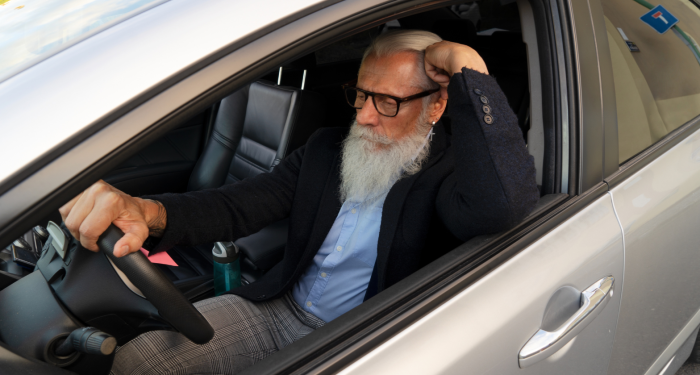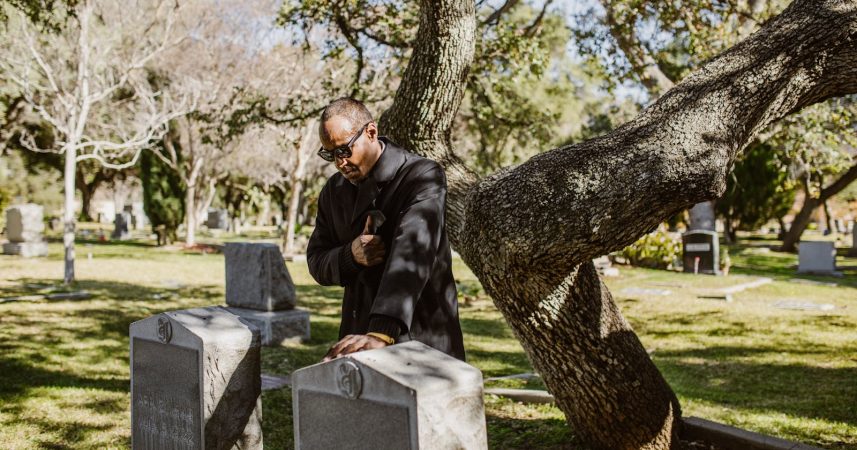
After decades of being the go-to problem solver, the man everyone needed, you wake up one day to find the world has quietly reorganized itself without you—and now you're left perfecting hot sauce recipes nobody wants and arriving everywhere fifteen minutes early with nowhere urgent to be.

Add VegOut to your Google News feed. 
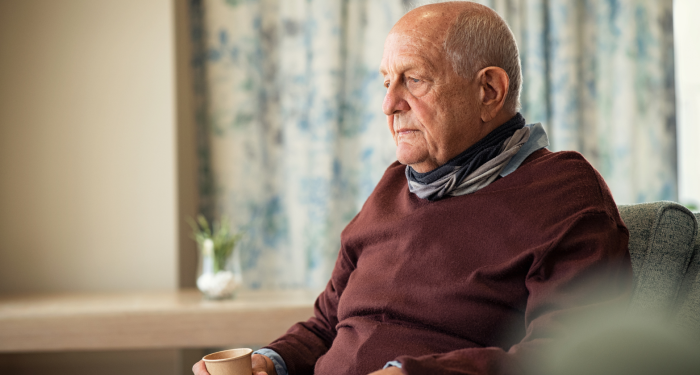
The other day, I watched a man in his sixties hold the door at the coffee shop for seventeen seconds while someone fumbled with their phone fifty feet away. The person never even looked up. Just breezed through like the door had opened itself. The man didn't seem bothered. He just moved to the next door and did it again.
I recognized something in that moment. Something about the practiced ease of being useful without being thanked. After running a restaurant for thirty-five years, after being the guy everyone came to with problems, questions, and broken equipment, I know that particular dance. You spend decades being essential, then one day you wake up and realize the world reorganized itself while you were sleeping. Nobody needs you to solve anything anymore. They've got apps for that.
But here's what I've noticed about men like us, men who've crossed sixty and suddenly find themselves with hands that remember being necessary. We don't stop. We just get quieter about it.
They perfect the art of the unnecessary project
My garage holds twenty-three jars of homemade hot sauce. Different peppers, different fermentation times, all labeled with the kind of detail you'd expect from a crime scene investigator. Linda uses maybe one jar every six months. The neighbors accept them politely and probably regift them at white elephant parties. But every fall, I'm out there harvesting peppers, charring them just right, filling new jars.
Last week, I spent four hours making a batch with ghost peppers that could strip paint. Nobody asked for it. Nobody wants it. But my hands needed something to do, and making something nobody needs still feels better than making nothing at all.
They arrive everywhere fifteen minutes early
After decades of racing against dinner service, of counting every second between order and plate, I now show up everywhere with time to spare. Doctor appointments, coffee with friends, picking up groceries. I sit in my car listening to jazz, watching people rush past with the urgency I used to own.
The habit comes from restaurant days when being early meant being ready, when five minutes could save a whole service from disaster. Now there's no disaster waiting. But I still arrive early, park in the same spot, run through mental checklists for situations that don't need them. The world moves around me instead of through me, and those fifteen minutes of waiting are when I feel it most acutely.
They write detailed emails no one fully reads
Ethan asked about grilling temperatures for vegetables. He got back nine paragraphs covering everything from char patterns to the Maillard reaction in plant proteins. When Sophie wanted my marinara recipe, she received a thesis on San Marzano tomatoes and the importance of bronze-die pasta.
I know they skim these messages, pulling out the temperature or ingredient they need, ignoring my tangents about why you should never refrigerate tomatoes or how real Parmigiano-Reggiano has tiny crystals that crunch between your teeth. But I keep writing these novels anyway, downloading decades of knowledge into emails that get archived and forgotten, because the alternative is accepting that most of what I know will die with me.
They maintain equipment for events that won't happen
My kitchen knife collection gets sharpened every Sunday on Japanese whetstones I've had since the late eighties. The six-burner range gets deep cleaned monthly, though I rarely use more than two burners now. The stand mixer gleams like it's waiting for a bakery order that's never coming.
Sometimes Linda finds me at midnight, organizing the spice drawer or checking dates on items we both know I'll use before they expire. "Just maintaining," I tell her, because saying "just in case" sounds too much like hoping for an emergency that needs my specific skills.
They become the keepers of stories nobody asks to hear
I remember every regular customer from twenty years ago. Their allergies, their wine preferences, which ones tipped well, which ones complained about salt. These memories are filed perfectly, ready for recall, but there's nowhere to deploy them.
At dinner parties, I'll start telling about the time the health inspector found a family of possums in our storage room, and I'll see that glaze creep into people's eyes. They've heard this one. But I keep telling it, adding new details, because these stories are receipts. Proof that all those eighteen-hour days added up to something, even if nobody needs that proof anymore.
They check on things that don't need checking
Three times a night, minimum. Door locks that haven't failed in twenty years. Stove burners that shut off automatically. Weather forecasts for cities where my kids live, even though they have the same weather app I do.
In my cycling group chat, I post weather updates every Friday. "Looks like rain after 2 PM tomorrow." Thirty guys who own smartphones, getting weather reports from another guy with a smartphone. But I'm still the one watching, warning, standing guard over problems that solved themselves years ago.
They develop elaborate systems for simple tasks
My grocery shopping involves spreadsheets that track prices, seasonal availability, and nutritional data for six different stores. The meal planning calendar extends three weeks out with contingencies for guests who never come. The garage has bins labeled for cycling gear organized by temperature ranges in five-degree increments.
Linda needs something for lunch? I have forty-seven options categorized by prep time, dietary restrictions, and season. She usually just makes something simple. But the system remains, a monument to solving problems that no longer exist.
They practice conversations they'll never have
While washing dishes, I perfect the advice I'd give to young line cooks who aren't asking. During my morning ride, I rehearse what I'd say if someone offered me another restaurant to run. In the shower, I explain management decisions from fifteen years ago to employees who've long forgotten my name.
These phantom conversations loop endlessly, polishing arguments for debates that ended decades ago, perfecting wisdom for audiences who've moved on without needing my conclusions.
They tend to spaces that belong to no one
There's a community herb garden behind the library that isn't my responsibility. I water it anyway. A bench at mile marker seven on the bike trail has someone's memorial plaque from 2015. I clean the bird droppings off it every time I pass. The loading dock at the food bank has a corner where volunteers used to smoke. Nobody smokes there anymore, but I sweep it clean each week after my Saturday morning shift.
These forgotten spaces become my territory by default. Not because anyone asked, but because tending to something feels better than tending to nothing. Even if nobody notices, even if it doesn't matter, at least my hands are moving with purpose, maintaining something in a world that increasingly maintains itself.
Final words
We're the generation that fixed things with our hands, who knew phone numbers by heart, who gave directions using landmarks instead of GPS coordinates. The world needed us in ways it doesn't anymore. And that's okay. Progress means making yourself obsolete.
But we're still here, holding doors for people who don't see us, maintaining skills nobody values, standing ready for emergencies that won't come. We've become the safety net that everyone forgets exists until they don't need it.
Maybe that's enough. Maybe being quietly useful in ways nobody notices is its own form of grace. Or maybe we're just old dogs performing tricks for an audience that left the theater years ago. Either way, we'll keep doing it. Because the alternative is admitting that our greatest skill turned out to have an expiration date, and we're past it.