These everyday items told the story of millions of families who mastered the art of living well without living large — from kitchen tables that hosted everything but pretense to freezers that proved leftovers were just tomorrow's dinner in disguise.

Add VegOut to your Google News feed. 
Growing up, I could always spot the kids from truly wealthy families. They had second fridges in their garages and casual mentions of "the lake house." But most of us lived in that comfortable middle ground where bills got paid, birthdays were celebrated, and nobody went hungry, even if nobody was getting rich either.
Working in restaurants for 35 years, I saw this divide play out every shift. The wealthy customers ordered without looking at prices. The comfortable ones knew exactly what they could afford and made it special anyway. And you know what? The comfortable ones usually seemed happier.
There's a particular kind of household that millions of us grew up in. Not poor, definitely not rich, but steady. These homes had their own universal markers, things that said "we're doing okay" without saying "we have money to burn." If you grew up in one, you'll recognize these immediately.
A kitchen table that doubled as everything else
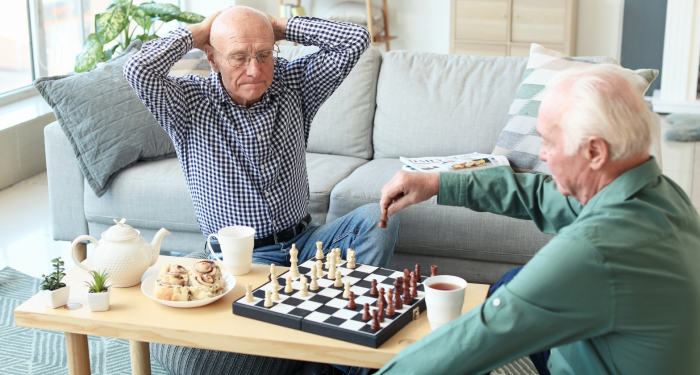
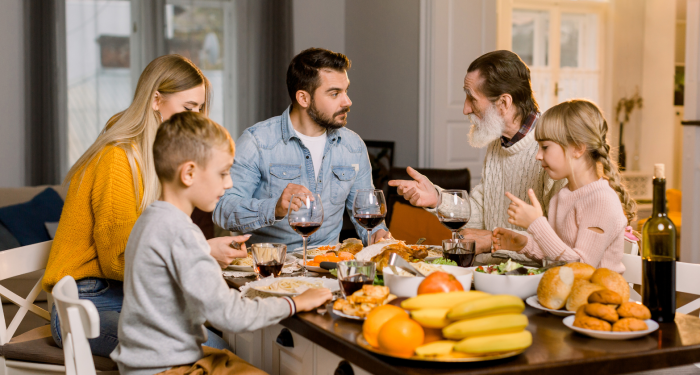
That table was command central. Homework got done there while dinner cooked. Tax returns spread across it every April. Birthday cards were signed, arguments were settled, and big announcements were made right there between the salt shaker and yesterday's mail.
My mother did the books for the shop at our kitchen table every Sunday night, calculator clicking away while the rest of us watched TV in the next room. These weren't families with home offices or separate spaces for separate functions. One solid table did it all, and somehow that made everything feel more connected.
I still write at my kitchen table. Something about it feels more honest than a proper desk ever could.
The good dishes that only came out for company
Every family had that set living in the highest cabinet, wrapped in newspaper or stacked with paper plates between them. Maybe it was wedding china, maybe just the matching set from Sears, but it only emerged for Easter, Christmas, or when the boss came to dinner.
The everyday dishes were mismatched, collected over years, each plate with its own story. But those good dishes? They were possibility. They were the family we could be when we tried a little harder.
Now I use the good dishes for regular Sunday dinners. Life's too short to save them for someday that might never come.
A freezer full of labeled containers
Open any basement or garage freezer and you'd find an archaeological dig of meals past. Everything labeled in masking tape and ballpoint pen: "Chili - March," "Soup bones," "Mom's sauce - make more."
Nothing got wasted in these houses. Leftover ham became soup. Soup became frozen portions for lazy dinners. That turkey carcass? That's stock waiting to happen. You learned to see potential in everything, to think three meals ahead.
My freezer today looks exactly like my parents' did. Containers of homemade stock, last summer's pesto, that soup I made too much of but we'll be grateful for come February.
The chair nobody sat in (except the cat)
Usually by a window, often slightly wobbly, but too good to throw away. It held everything: mail that needed sorting, library books due back, the jacket you wore yesterday, that bag you meant to return to someone.
In these houses, every piece of furniture had to earn its keep, even if that meant becoming the family's three-dimensional junk drawer. We didn't have mudrooms or dedicated drop zones. We had that chair.
The cat always knew its real value though. Best sunny spot in the house.
Handwritten recipes in the margins of cookbooks
Pull any cookbook from these kitchens and you'd find more handwriting than printed text. "Too spicy - use half," "Add carrots," "Kids hate this - don't make again," all scrawled in the margins like field notes from the front lines of family dinner.
My mother's cookbooks were practically journals, documenting decades of trial and error, family preferences, successful substitutions when we didn't have the right ingredients. These weren't families who followed recipes exactly. Everything got adjusted, improved, made their own.
Those annotated cookbooks were better than any inheritance. They were a map of how to feed people you love.
The garden that was equal parts pride and produce
Not landscaping, not decoration, but honest-to-god food growing wherever sun hit dirt. Tomatoes staked with whatever worked, herbs taking over corners, that zucchini plant that produced enough to require sneaky deposits on neighbors' doorsteps.
Every available sunny spot got pressed into service. My father grew vegetables in the strip between the garage and fence. The herbs lived in coffee cans by the back door. It wasn't pretty, but August dinners were basically free.
I still grow more tomatoes than any reasonable person needs. Some habits are genetic.
Photo albums that were actually looked at
Not hidden away but kept within reach, usually in the living room, ready to be pulled out when someone mentioned that trip to the coast or wondered what year the roof got replaced.
These families documented everything with whatever camera they had, and those photos actually made it into albums with dates written on the back. Not perfect photos, just real ones. Blurry Christmas mornings, awkward school portraits, that time everyone went to the beach and got sunburned.
We have thousands of photos on our phones now, but there's something about those albums. They were edited by default. Only the photos worth developing made it in.
The medicine cabinet that could handle anything short of surgery
Open it and find democracy in action: band-aids in three sizes, that thermometer from 1987, half-empty prescription bottles, antacids, expired cough syrup, and enough muscle cream to treat a football team.
These families didn't run to urgent care for every sniffle. They had systems, supplies, and strong opinions about whether to feed a cold or starve a fever. My parents treated everything with either ibuprofen or ginger tea, and honestly, they were right more often than not.
That cabinet was preparedness without paranoia. Ready for life's minor disasters, one ancient bottle of calamine lotion at a time.
Final words
If you recognized more than five of these, you already know the truth: wealth and richness aren't the same thing. These houses were rich in different ways. Rich in resourcefulness, in making do beautifully, in finding elegance in everyday function.
Those good dishes taught us that some things are worth saving for special occasions, but the kitchen table taught us that ordinary Tuesday nights could be special too. The freezer full of labeled containers and the garden full of vegetables weren't just about saving money. They were about independence, about the deep satisfaction of providing.
We learned that you could be comfortable without being wealthy, that enough was actually enough when you knew how to make the most of it. These things weren't photogenic, wouldn't make it into a decorating magazine, but they were the architecture of a good life.
And maybe that's the real inheritance from those comfortable-but-not-wealthy houses: knowing the difference between what looks rich and what actually makes you rich. One is about money. The other is about everything else.
If You Were a Healing Herb, Which Would You Be?
Each herb holds a unique kind of magic — soothing, awakening, grounding, or clarifying.
This 9-question quiz reveals the healing plant that mirrors your energy right now and what it says about your natural rhythm.
✨ Instant results. Deeply insightful.

Gerry Marcos
Gerry spent 35 years in the restaurant business before trading the kitchen for the keyboard. Now 62, he writes about relationships, personal growth, and what happens when you finally stop long enough to figure out who you are without the apron. He lives in Ontario with his wife Linda, a backyard full of hot peppers, and a vinyl collection that’s getting out of hand.
More Articles by Gerry