These eight vanished sounds weren't just background noise — they were the heartbeat of homes that announced every arrival, departure, and quiet moment in between, creating a symphony of analog life that shaped how an entire generation learned to wait, to listen, and to be present.

Add VegOut to your Google News feed. 
There's a particular silence in modern homes that unsettles me. It's 3 AM, and I'm standing in my kitchen, unable to sleep again, when I realize what's missing: the soundtrack of a life being lived out loud. No ticking clock on the wall. No refrigerator compressor kicking on with its familiar shudder. Even the dishwasher runs in whisper mode, apologizing for its existence. We've engineered the life out of our living spaces, and with it, we've lost something I didn't know could be grieved — the voice of a home that wasn't afraid to announce itself.
I close my eyes and I'm twelve again, lying in bed in our ranch house outside Pittsburgh, conducting the nightly symphony: Dad's chair creaking as he shifts his weight to turn the newspaper page, the radiator's metallic ping announcing the arrival of heat, my mother's pressure cooker whistling its violent promise of tomorrow's lunches. Every sound was a small story, a tiny proof that we were there, alive, together.
The rotary phone's mechanical patience
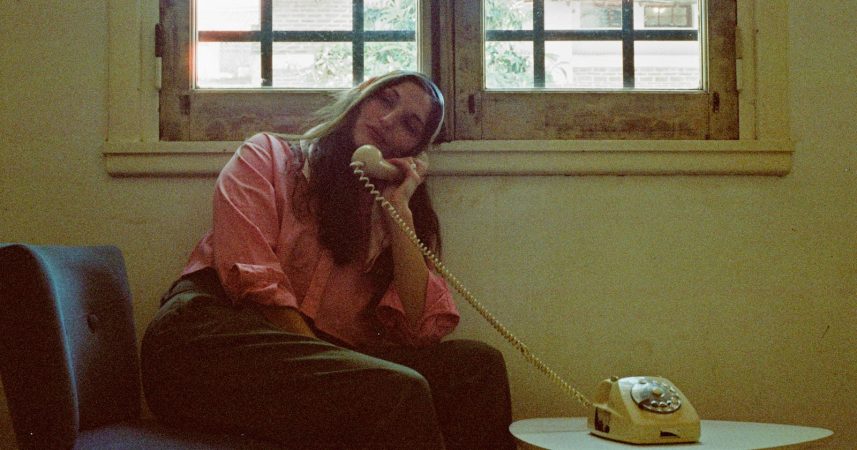
Remember the weight of a phone call? Not the emotional weight — though there was plenty of that — but the actual, physical heft of communication. That black rotary phone in our hallway weighed as much as a newborn baby, and picking up the handset felt like making a commitment.
The dial itself was an exercise in forced meditation. You'd hook your finger in the number's hole and pull it all the way around, then wait — actually wait — while it clicked its way back to center. Seven numbers meant seven small journeys, seven moments to reconsider whether this call really needed to be made. My daughter called her first boyfriend this way, and I could hear her taking deep breaths between digits, gathering courage with each rotation.
But it was the busy signal that truly shaped us. That harsh, rhythmic pulse — *beep beep beep beep* — was rejection without explanation. The person you needed wasn't available, and there was nothing to do but hang up and try again later. No voicemail to hide behind, no text to soften the blow. Just that mechanical no, repeated endlessly until you gave up or got through.
When the phone rang in our house, it commanded the room like a fire alarm. Two long bursts that could penetrate walls, dreams, arguments. Everyone would freeze for a split second, then someone would rush to answer before the third ring because after that, people might think you weren't home, and being thought not home when you were home was somehow shameful. We answered every call blind, never knowing if it would bring joy or sorrow, selling or storytelling. That mystery was part of the contract.
Screen doors and their percussion of freedom
The screen door was our house's exclamation point, punctuating every entrance and exit with its particular slam. That wooden frame, swollen with humidity, would stick just enough to require intention to open, then race back on its spring like it was angry at being disturbed.
*Bang.* Someone leaving in anger.
*Bang.* Someone arriving in joy.
*Bang. Bang. Bang.* The kids creating a rhythm of summer freedom.
But here's what I miss most about screen doors: they were boundaries that breathed. They let in the smell of rain before it arrived, the sound of neighbors calling their children home, the evening breeze that meant the day's heat was finally breaking. They were privacy without isolation, a membrane between our family and the world that remained permeable to life.
My mother would call through ours at dinnertime, her voice carrying across three backyards: "Supper's ready!" We'd come running from wherever we'd been — the creek, the cemetery where we weren't supposed to play, the Johnsons' tire swing — and that door would announce each arrival. Nobody ever asked us to close it quietly. Some things were meant to make noise.
The window unit's labored breathing
That Montgomery Ward window unit in our bedroom was uglier than sin and louder than virtue, but it was the difference between sleeping and suffering during those midwest summers when the air turned solid with humidity.
The sound it made wasn't quite mechanical and wasn't quite natural — somewhere between a river and a factory, a hum punctuated by rattles when the compressor cycled on. You learned its patterns: ten minutes of blessed cooling, five minutes of terrifying silence while the house immediately began to heat again, then that shuddering restart that meant salvation was coming.
On the hottest nights, the kids would drag their pillows into my bedroom, camping in front of that unit like it was dispensing more than just cool air. We'd lie there in our underwear, no one caring about modesty when it was 95 degrees at midnight, and I'd tell them stories over the machine's drone. The constant noise became a kind of privacy — we could say things we might not say in silence, protected by that mechanical white noise.
When it finally died after seven summers, smoking like a chimney before giving one last rattling sigh, we sat in the sudden silence and I found myself crying. Not because of the heat or the expense of replacement, but because that ugly box had been the soundtrack to our survival, the third parent in our single-parent household, working through the night so we could sleep.
The percolator's morning arithmetic
Coffee in the seventies wasn't made; it was performed. The aluminum percolator on our stove was both timekeeper and town crier, announcing the dawn with its distinctive bubbling that grew faster and more insistent as the water cycled through the grounds.
*Blup... blup... blup-blup-blup-BLUP-BLUP-BLUP.*
You couldn't walk away from a percolator. It required attendance, adjustment, a relationship. Too long on the heat and the coffee turned to battery acid. Too short and you were drinking brown water. My grandmother taught me to watch the glass knob on top, counting the bubbles — "Eight per minute and it's perfect, dear" — though I suspect this was less science than love disguised as instruction.
That sound would pull the whole house from sleep, a gentler alarm than any clock. The kids would follow it like a smell, finding me at the kitchen table with my lesson plans spread out, the windows still dark. We'd sit in that pre-dawn quiet, just the three of us and the percolating coffee, before the world demanded we become ourselves again.
The television signing off for the night
Can you imagine explaining to a teenager today that television once had bedtime? At midnight, sometimes one AM on weekends, the national anthem would play over images of Mount Rushmore or a waving flag, followed by that sustained tone and the test pattern, then static — what we called "snow," though it looked nothing like snow, more like the universe's background radiation made visible.
That sign-off was a forced boundary, a mandatory transition. The day was over because CBS said so. There was nothing more to watch, no next episode queuing automatically, no algorithm suggesting you might also like this other show. The entertainment stopped, and you were left alone with yourself and the static.
I'd often fall asleep grading papers in front of the TV, only to be jolted awake by that piercing tone. It was like being evicted from a warm party into the cold night, but it was also permission to stop consuming, stop watching, stop avoiding whatever thoughts were waiting in the silence.
The pressure cooker's controlled danger
My mother's pressure cooker was a silver bomb that sat on our stove, transforming tough meat into tenderness through a combination of steam, time, and barely contained violence. That whistle — starting as a tentative hiss, building to a shriek that could penetrate walls — was both promise and threat.
*Chsh-chsh-chsh-WHEEEEEEEEE.*
We'd scatter when it reached full voice, as if it might choose that moment to redecorate the ceiling with pot roast. Mother would adjust the flame with the confidence of someone who'd been controlling explosions for decades, maintaining that perfect balance between efficiency and catastrophe.
The pressure cooker taught us that some things couldn't be rushed but could be hastened, that danger and dinner often came from the same source, that paying attention was the price of transformation. Those safety warnings — never open before all steam is released, never let it run dry, never leave unattended — felt like metaphors for life itself.
The typewriter's percussion of permanence
Every word on my Smith-Corona required commitment. Those keys demanded force, intention, a physical investment in each letter. The sound filled the house after the children slept — my one-woman band of survival.
*Clack-clack-clack-DING!* Then the zip of the carriage return, violent as ripping fabric.
Mistakes meant starting over or using correction fluid that never quite matched, leaving ghostly evidence of your errors. This machine taught me to think before I wrote, to compose in my head, to mean what I said the first time. There was no delete key, no undo. Just you and your words and the physical evidence of effort.
The radiator's winter opera
Our radiators performed nightly from November through March, a concert of pings and clangs as steam found its way through cold pipes. The house sounded like it was digesting dinner, all those metallic belches and sighs.
*Ping... ping... CLANG... hisssssss.*
Each sound meant something: heat arriving, air escaping, the ancient boiler in the basement winning another battle against winter. The kids would put their mittens on top to dry, filling rooms with the smell of wet wool and warmth.
Those radiators were honest about the work of staying warm. Nothing was hidden or automatic. You could hear the effort, see the steam, feel the house fighting against the cold. Modern heating is silent, efficient, invisible. But those clanging pipes reminded us that comfort was earned, not given.
Final thoughts
Last week, my granddaughter stayed overnight during a power outage. In the sudden absence of all our modern hums and whispers, she heard my old house's true voice for the first time — wood settling, clock ticking, rain on the roof without electronic buffer.
"Grandma," she whispered, "your house is talking."
Yes, sweetheart. They all used to. And in that conversation between our homes and our lives, we learned about patience and presence, about effort making itself known, about the beautiful impossibility of going back. Those sounds weren't just noise. They were proof we were there, alive in those rooms we can never enter again, except in the echo chamber of memory where every door still slams, every phone still rings, and every radiator still clangs its promise of warmth through the cold night.