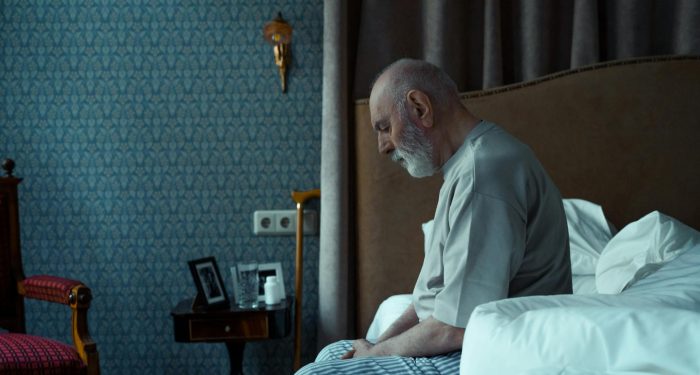
How the soundtrack of your childhood eye-rolls became the playlist of your adult comfort.

Add VegOut to your Google News feed. 
There's a specific moment in adulthood when you catch yourself humming something painfully familiar.
Your body knows every word, every pause, every instrumental break. Then it hits you—this is the exact song that used to make you beg your parents to change the station. The one that represented everything uncool about their generation, everything you'd never become.
But here you are, adding it to your Spotify playlist at 2 AM, feeling something between nostalgia and recognition. The music hasn't changed. You have.
1. "The Weight" by The Band
Back then, it was that endless, droning song about some guy named Luke and a bizarre favor involving someone's dog. Your dad would drum on the steering wheel during that "take a load off" chorus while you died of secondhand embarrassment. It moved too slowly, said nothing clearly, went nowhere urgently.
Now you hear it as American mythology in motion—a perfect capture of exhaustion and community, of carrying burdens that aren't entirely your own. That ambiguity you once found frustrating feels profound. The slowness isn't boring; it's deliberate, like a long walk with someone who has stories to tell. You finally understand why your dad's fingers found that rhythm irresistible.
2. "Both Sides Now" by Joni Mitchell
Your mom would play this while cooking Sunday dinner, her voice catching on certain lines. You thought it was peak melodrama—clouds and love and life, all that philosophical meandering. Joni's voice seemed too high, too fragile, too much like someone who needed to get over themselves.
But then you experience your first real loss, your first genuine disillusionment, and suddenly Joni's perspective makes devastating sense. The song isn't melodramatic—it's honest about how experience changes perception. Those vocal breaks you once found annoying now sound like someone trying to hold it together while sharing hard-won wisdom. You text your mom: "I get it now."
3. "Brandy (You're a Fine Girl)" by Looking Glass
The ultimate grocery store song, the one that seemed to play in every Kroger your parents dragged you through. A sailor, a barmaid, some nonsense about the sea being a jealous mistress. It felt like the theme song of suburban errands, the audio wallpaper of boring adult life.
Now it's a three-minute novel about choosing calling over comfort, about loving someone who belongs to something bigger. The production is immaculate—those harmonies, that bass line, the way it builds without ever feeling rushed. You find yourself playing it on repeat during your own grocery runs, finally understanding that sometimes the best pop songs tell the saddest stories.
4. "Dreams" by Fleetwood Mac
It used to epitomize everything boring about '70s rock—too smooth, too mellow, that strange otherworldly voice that sounded like someone singing through gauze. Your parents would sway to it at barbecues while you prayed for something, anything, with actual energy.
Then you discover the band's absolutely chaotic romantic dynamics, and suddenly every line becomes a masterclass in emotional warfare disguised as California cool. Stevie's voice isn't affected—it's armor, delivering devastation wrapped in silk. That drumbeat you found monotonous now sounds like a heartbeat trying to stay steady through chaos.
5. "Mr. Blue Sky" by Electric Light Orchestra
Pure dad rock at its most embarrassing. The orchestral flourishes, the aggressive cheerfulness, Jeff Lynne sounding like he was smiling while recording. It played during every family road trip, your father badly harmonizing with the "please turn me over" bit while you slumped lower in the backseat.
But catch it at the right moment—maybe after a particularly brutal week—and its relentless optimism becomes transcendent. The production is genuinely innovative, layering Beatles-esque melodies with proto-electronic elements. That happiness isn't naive; it's defiant. Sometimes forcing joy is its own form of resistance.
6. "Rocket Man" by Elton John
Your mom's car anthem, the one she'd turn up and sing badly while merging onto highways. You couldn't understand the appeal—some astronaut having feelings about space? Elton's voice seemed overly theatrical, the metaphor too obvious, the whole thing trying too hard.
Now you hear it as a perfect meditation on isolation and routine, on how even extraordinary lives become ordinary to those living them. That theatrical delivery isn't excessive—it's someone trying to convey enormity through a radio speaker. You realize your mom wasn't singing about space at all. She was singing about distance, about being present but feeling far away.
7. "Baker Street" by Gerry Rafferty
That saxophone intro used to signal immediate station change. It went on forever, leading into verses about giving up dreams and settling down—the opposite of what you wanted from music. It was resignation set to smooth jazz, everything you swore you'd never accept.
Years later, that sax hits different. It's not giving up; it's recognizing patterns, understanding cycles, accepting that some dreams reshape rather than come true. The production is actually sublime—that guitar solo, the way everything builds and releases. It's a song that could only be written by someone who's been around the block enough times to recognize the scenery.
8. "Tiny Dancer" by Elton John
Six minutes of piano and metaphors about some woman in the '70s. Your dad would play it on repeat during long drives, singing "hold me closer" with embarrassing enthusiasm. It felt endless, formless, like someone forgot songs were supposed to have a point.
But there's something about hearing it now, maybe driving your own car through your own night, that makes its sprawling romanticism feel earned. The length isn't indulgent—it's generous, giving the feeling room to build. Those lyrics you found pretentious now sound like someone trying to capture something ineffable about a specific moment, a specific person, before it dissolves.
9. "Vienna" by Billy Joel
The ultimate parent song—literally about slowing down and not rushing through life. Your parents would play it with significant looks, like it contained some secret wisdom you were too young to understand. Billy's voice sounded so knowing, so condescending, so sure you were doing everything wrong.
Then you hit your thirties, burning out from hustling, and suddenly Billy's advice sounds less like condescension and more like compassion. The song isn't telling you to give up ambition—it's suggesting that life is long, that not everything needs to happen immediately. You realize your parents weren't trying to slow you down. They were trying to spare you the exhaustion they'd already experienced.
Final thoughts
The transformation isn't really about the music. It's about accumulating enough life experience to understand what these songs were actually saying. That missing piece wasn't musical appreciation—it was context, heartbreak, disappointment, and time.
These songs documented adult emotions we couldn't yet comprehend: the specific exhaustion of routine, the weight of abandoned dreams, the complex negotiations of long-term love. We hated them because they reminded us our parents had internal lives beyond parenting, histories that predated us, soundtracks to stories we'd never fully know.
Now we love them because we've become the people these songs were written for—adults navigating the same eternal struggles, finding comfort in knowing someone else has walked this path. The music becomes a bridge between who our parents were and who we're becoming, proof that some experiences transcend generational boundaries.
Playing these songs now is an act of recognition—not just of good music we once dismissed, but of our parents as people who were once our age, feeling our feelings, using these same songs to make sense of it all. The eye-rolls have become understanding. The embarrassment has become inheritance. And maybe that's the real gift—not the songs themselves, but the recognition that we're all just trying to find the right soundtrack for being human.
If You Were a Healing Herb, Which Would You Be?
Each herb holds a unique kind of magic — soothing, awakening, grounding, or clarifying.
This 9-question quiz reveals the healing plant that mirrors your energy right now and what it says about your natural rhythm.
✨ Instant results. Deeply insightful.

Jordan Cooper
Jordan Cooper is a pop-culture writer and vegan-snack reviewer with roots in music blogging. Known for approachable, insightful prose, Jordan connects modern trends—from K-pop choreography to kombucha fermentation—with thoughtful food commentary. In his downtime, he enjoys photography, experimenting with fermentation recipes, and discovering new indie music playlists.
More Articles by Jordan