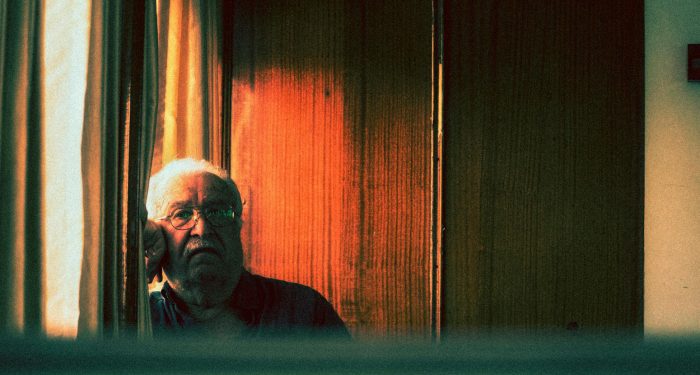
The words that slip out naturally after decades of living carry weight that youth can't manufacture.
Wisdom isn't about memorizing fortune cookie quotes or dispensing advice nobody asked for. According to psychological research, it's a complex integration of cognitive, reflective, and emotional intelligence that develops through lived experience. And while not everyone who ages becomes wise—plenty of older adults remain rigid in their thinking—those who do develop wisdom often reveal it through subtle linguistic patterns that reflect fundamental shifts in how they process life.
These aren't performative statements designed to sound profound. They're linguistic markers of the wisdom-related knowledge system—a way of understanding that emerges from decades of navigating complexity, loss, and change.
1. "That's one way to look at it"
This gentle acknowledgment of multiple perspectives reveals what researchers identify as a core component of wisdom: the ability to see beyond binary thinking. When someone over 70 responds this way, they're not being dismissive or passive-aggressive. They're demonstrating cognitive flexibility and perspective-taking—the capacity to hold multiple truths simultaneously without needing to declare one supreme.
Younger people often feel compelled to pick sides, to argue their position, to prove they're right. But this phrase signals a different relationship with truth—one that recognizes most life situations are too complex for simple answers. It's the linguistic equivalent of zooming out, of seeing the whole forest instead of defending your particular tree. This cognitive shift typically emerges only after decades of discovering that being right often matters less than understanding why others see things differently.
2. "I've been wrong before"
This admission carries different weight from someone who's lived through seven decades than from someone at 25. It's not self-deprecation or false modesty—it's intellectual humility. After witnessing how many "certainties" of their youth proved false, truly wise older adults develop a healthy skepticism about their own judgments.
The phrase reveals someone who's learned that certainty is often the enemy of growth. They've watched scientific "facts" get overturned, social norms transform, and their own firmly held beliefs evolve. This isn't cynicism—it's the recognition that fallibility is human and that admitting uncertainty opens doors that righteousness keeps closed. Psychology research shows this quality strongly correlates with continued learning and adaptation in later life.
3. "It all worked out somehow"
When older adults say this, they're not being naive about struggle or minimizing pain. They're expressing what psychologists studying wisdom call redemptive processing—the ability to find meaning in difficulty without denying its reality. This phrase emerges from having survived enough crises to recognize that most catastrophes we anticipate never materialize, and the ones that do rarely destroy us the way we feared.
This isn't toxic positivity or denial. It's pattern recognition from someone who's lived through economic crashes, wars, personal losses, and societal upheavals. They've learned that humans are more resilient than we believe in the moment of crisis, that time genuinely does shift perspective, and that what seems unsurvivable often becomes integrated into the larger story of a life.
4. "I don't need to be there"
This phrase reveals one of wisdom's most counterintuitive aspects: knowing when your presence isn't necessary or helpful. Research on socioemotional selectivity in aging shows that older adults become increasingly selective about their social investments, choosing depth over breadth, meaning over obligation.
When someone over 70 says this, they're demonstrating the wisdom to recognize that not every gathering requires their input, not every conflict needs their mediation, and not every event deserves their energy. It's the opposite of FOMO—it's the peaceful recognition that life continues beautifully without your constant participation. This selective engagement isn't withdrawal; it's the strategic conservation of energy for what truly matters.
5. "Tell me more about that"
Genuine curiosity in later life signals what researchers identify as openness—a key component of wisdom. When someone who's lived through seven decades asks this, they're not filling conversational space. They're demonstrating that decades of experience haven't calcified into know-it-all rigidity.
This phrase reveals someone who understands that every person carries knowledge they don't possess, regardless of age or status. It shows they've moved beyond the need to prove their expertise or dominate conversations with their own stories. Instead, they've developed what psychologists call "listening with the third ear"—hearing not just words but context, emotion, and meaning.
6. "I was lucky"
When successful older adults attribute their achievements partly to luck, they're not being falsely modest. They're demonstrating an understanding of life's fundamental uncertainty. They've lived long enough to see equally talented people fail, equally hard workers struggle, and random events determine destinies.
This acknowledgment of luck isn't fatalism—it's sophisticated pattern recognition. They understand that while effort and ability matter, timing, circumstances, and chance play larger roles than young people typically recognize. This perspective breeds both humility about success and compassion for those who struggled despite doing everything "right."
7. "What do you think you should do?"
Rather than dispensing advice, wise older adults often redirect the question back. This isn't avoidance—it's supporting autonomy while sharing wisdom. They understand that most people don't need more information; they need to trust their own judgment.
This phrase reveals someone who's learned that giving advice often says more about the giver's needs than the receiver's problem. They recognize that each person's situation is unique, that what worked in 1965 might not work now, and that people generally know their answers but need permission to trust them. It's wisdom expressed through restraint—knowing that the most helpful thing is often helping someone find their own way.
Final thoughts
These phrases aren't magic formulas that guarantee wisdom—plenty of older adults say these things without the depth behind them. But when genuine, they reveal cognitive and emotional developments that typically require decades to cultivate. Research consistently shows that wisdom correlates with life satisfaction in older adults, independent of health or wealth.
The wisdom embedded in these phrases isn't about being old—it's about what some people learn from being old. It's the difference between having experiences and extracting meaning from them. Not everyone who ages develops these perspectives, but those who do offer something invaluable: proof that human consciousness can continue evolving, that perspective can keep expanding, that understanding can deepen even as memory might fade.
What's striking is how undramatic these phrases are. True wisdom doesn't announce itself with profound proclamations. It shows up in small linguistic choices that reveal fundamental shifts in how someone relates to uncertainty, other people, and their own limitations. These aren't the words of people trying to sound wise—they're the natural language of those who've done the hard work of transforming experience into understanding.
Perhaps most importantly, these phrases remind us that wisdom isn't about having answers—it's about asking better questions, holding complexity gently, and knowing when knowing isn't the point.