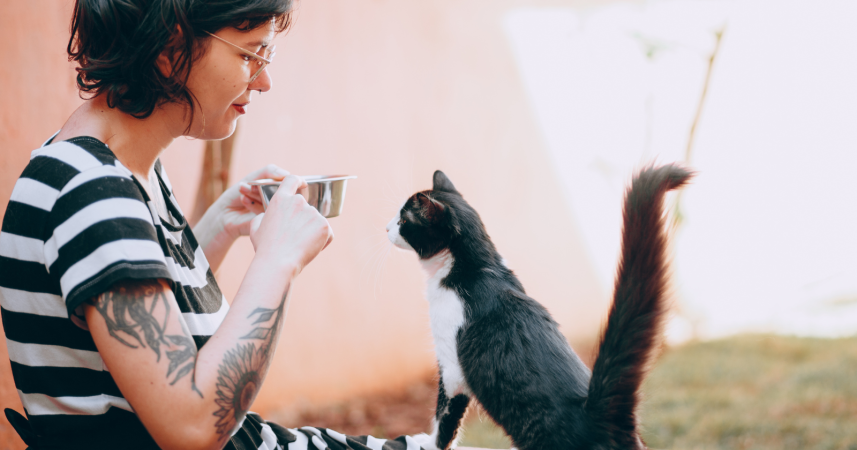
For those who crave connection without the constant neediness, these felines offer the perfect middle ground.
The apartment was silent except for the gentle rumble emanating from somewhere near my chest—not mine, but from the Maine Coon sprawled across my laptop keyboard, effectively ending my workday with the authority only a 20-pound cat can muster. This, I realized, was exactly the level of emotional involvement I'd been searching for: present but not desperate, affectionate but not suffocating, devoted but still maintaining that essential feline dignity that keeps us both grounded.
After years of dodging well-meaning friends who insisted I needed a Golden Retriever to cure my urban loneliness, I discovered something they hadn't considered: some of us need love that doesn't arrive with a tail wagging at ninety miles per hour and eyes that broadcast every emotion like a Times Square billboard. We need companions who understand that affection, like good wine, is better when it isn't chugged.
The human-animal bond operates on a spectrum, and not everyone thrives at the same intensity level. While dogs offer what researchers call "unconditional positive regard"—essentially emotional support on tap—certain cat breeds provide something more nuanced: selective intimacy that feels earned rather than given, connection that respects boundaries while still warming the coldest corners of a solitary life.
1. Maine Coon: The gentle giant who thinks they're your roommate
Mine follows me from room to room, not with the desperate urgency of a dog who fears abandonment, but with the casual interest of someone who simply prefers my company to solitude. They're the cats who will join you in the bathroom not because they're anxious about separation, but because they're genuinely curious about your skincare routine.
What makes Maine Coons perfect for the commitment-phobic affection-seeker is their particular brand of engagement. They want to be near you, not on you—though they'll make exceptions for particularly cold evenings. They'll chirp conversations that feel less like demands and more like commentary on the day's events. One owner I spoke with described it perfectly: "It's like living with a very polite, very furry exchange student who's decided they quite like your company."
Their impressive size means their affection has weight—literal weight—but it arrives on their schedule, not yours. This is crucial for those of us who recoil from the always-on emotional faucet of needier pets.
2. Ragdoll: The meditation teacher in fur form
The Ragdoll's signature move—going completely limp when picked up—isn't just a party trick. It's a philosophy of trust so profound it borders on the spiritual. These cats don't just tolerate handling; they surrender to it with a completeness that makes you reconsider your own relationship with control.
But here's what the breed descriptions don't tell you: Ragdolls practice a form of selective bonding that's almost eerily human. They'll choose their person with the deliberation of someone selecting a life partner, then proceed to shadow them with devotion that stops just short of codependence. They read moods like accomplished therapists, appearing with uncanny timing when you need comfort, retreating when you need space.
A friend who shares her studio apartment with two Ragdolls describes them as "emotional support animals who actually went to therapy themselves." They provide comfort without drama, presence without pressure. Their calm temperament makes them ideal for people who need steadiness in their relationships, even the interspecies ones.
3. Russian Blue: The introvert's introvert
Russian Blues understand something fundamental about modern affection: the best relationships are built on mutual respect for personal space. These cats bond deeply with one or two humans, then regard the rest of the world with polite disinterest—a social strategy many of us might benefit from adopting.
Their love arrives in subtle gestures: a slow blink across the room, a gentle head bump while you're reading, the rare privilege of being allowed to witness their daily rituals. They're the cats who will sleep next to you, not on you, maintaining that crucial six inches of space that says "I choose to be here" rather than "I need to be here."
What's particularly appealing about Russian Blues is their consistency. They're not prone to the mood swings that characterize some breeds, nor do they demand constant entertainment. They're the steady presence in a chaotic world, the friend who doesn't need to fill every silence with chatter.
4. Scottish Fold: The comedian who knows when to stop
With their permanently surprised expressions and owl-like ears, Scottish Folds look like they're perpetually processing a dad joke. But beneath the cartoonish exterior lies an emotional intelligence that rivals any therapist's. They're affectionate without being needy, playful without being exhausting.
Scottish Folds have mastered the art of what I call "parallel play for adults." They'll sit beside you while you work, occasionally offering a paw pat of encouragement or a questioning chirp that seems to say, "Still at it, then?" They engage when you're ready, retreat when you're not, and somehow always know the difference.
Their unique sitting positions—including the famous "Buddha sit"—add an element of quiet comedy to the relationship without demanding audience participation. They're performers who don't need applause, comedians who understand that sometimes the best joke is comfortable silence.
5. Birman: The temple cat who brings zen to your chaos
Legend says Birmans were temple guardians in Burma, and honestly, it tracks. These cats carry themselves with a dignity that makes you sit up straighter, speak more softly, generally reconsider your life choices. They're affectionate, yes, but it's affection with gravitas.
Birmans offer what I think of as "scheduled affection." They'll establish routines—morning cuddles, evening lap time, midnight check-ins—and stick to them with monastic discipline. This predictability is oddly comforting for those of us who find the randomness of dog affection overwhelming. You know when love is coming, and you can prepare for it.
They're also remarkably intuitive about emotional states, often appearing during crisis moments with the timing of a first responder. But unlike dogs, who might try to lick away your tears, Birmans simply exist nearby, radiating a calm that somehow makes everything feel more manageable.
Final thoughts
The truth about these breeds isn't that they love less than dogs—it's that they love differently. They offer affection that doesn't demand constant reciprocation, emotional support that doesn't require endless validation, companionship that understands the value of solitude within togetherness.
For those of us navigating the peculiar isolation of modern life—working from home, living alone, maintaining relationships through screens—these cats provide exactly the right amount of connection. They're warm bodies in empty apartments, conversational partners who never interrupt, therapists who never send bills. They teach us that love doesn't have to arrive with fanfare and desperation. Sometimes it comes quietly, on soft paws, carrying just enough affection to fill the spaces that need filling while leaving room for the independence we're not quite ready to surrender.
Perhaps that's the most profound gift these breeds offer: the understanding that needing someone doesn't mean needing them every second, that love can be both constant and contained, that the best relationships—even with our pets—are the ones that let both parties remain themselves, fully and without apology.