Adulthood rarely feels official, but these quiet signs prove you’re handling more of life on your own than you realize.
Nobody really prepares you for how strange adulthood feels when you finally land in it.
One minute you’re Googling “how to cook rice without burning the pot,” the next you’re making choices about insurance, rent, or taxes. There’s no grand ceremony that announces you’ve officially arrived.
Instead, it’s a messy mix of trial and error, wondering if you’re doing it right, and secretly hoping someone else has figured it out before you.
Adulting is hard because the rules aren’t clear. Some days it feels like you’re nailing it, and other days you’re eating cold leftovers in bed, ignoring a pile of laundry that seems to multiply on its own.
That tension—that uncertainty—is part of the deal. The good news is, real signs of adulting success don’t come from perfection. They come from the things you manage to do consistently, without anyone else holding your hand.
If you recognize yourself in the following habits, take it as a little badge of honor. It means you’ve crossed a threshold—maybe not into flawless adulthood, but into the kind where you can trust yourself to handle what comes your way.
1. Managing your finances without crisis
You’ve paid your bills on time this month, last month, probably most months this year. Not because someone reminded you—but because you scheduled them, saw them coming, and made it work.
Having a budget, knowing what your fixed expenses are, leaving room for fun, and still sleeping at night without financial panic are big adult wins.
Handling money solo means also having some backup: an emergency fund, even a small buffer, so that when something unexpected pops up—car repair, or a surprise medical bill—you’re not scrambling. It’s not glamorous, but you feel safer when you have it.
When I first moved into my own place, I remember the dread of the first winter electricity bill. I wasn’t sure I’d be able to pay it alone.
Then I created a “winter buffer” fund—just little additions each paycheck. That thing prevented me from emailing my landlord begging for a payment plan. That breath of relief was adulting’s punchline.
If you’re tracking your spending, maybe adjusting habits when you see red flags (like too many take-outs or subscriptions you forgot about), you’re not just surviving—you’re commanding your financial life.
2. Cooking or preparing meals regularly
Cooking for yourself isn’t just because of health or budget (though those are nice bonuses). Doing it regularly means you plan, shop, and execute—even when life is busy or uninspiring.
You pull yourself away from the convenience trap. You trust that you can feed yourself well without falling back on “whatever’s easiest.”
Meal prepping, knowing what’s in your fridge, using leftovers, understanding what flavors you like, stocking staples—these are signs.
Solo cooking also means cleaning as you go, disposing of waste, organizing the kitchen, because that space is your home base.
If you consistently make meals, plan a little, and avoid relying on waiting for someone else, you’re doing more than feeding your body—you’re feeding your independence.
3. Keeping commitments
You say you will do something, and then you do it. That means for work, friendships, appointments, promises to yourself. No ghosting; no excuses that cascade.
Consistency here shows reliability. People begin to trust you—not just for the big stuff, but the everyday follow-through.
It also means setting boundaries: if you can’t help, you say so in advance. If you commit to somebody you show up. If it’s something for you—like a class, online course, or hobby—you finish what you start (or at least follow through with enough that you can reflect).
When I agreed to help a friend organize a community event, I expected a full team of volunteers. Then one weekend hit me with double work: people canceled last minute, deliveries ran late, tasks piled up.
I could’ve walked away. Instead I showed up anyway, did the unglamorous stuff, and saw the event actually come together. The gratitude I saw in people’s faces made every headache worth it.
If you regularly respect your word—to others and to yourself—you’ve crossed from maybe-adulting into adulting territory.
4. Maintaining your space and physical environment
Remember how when you were a teenager, it would take lots of nagging from your mom for you to clean your room?
Back then, tidying up felt like punishment, something you did to avoid trouble rather than to make life easier, didn't it?
Adulthood flips that script. Keeping your space in order is no longer about someone else’s approval—it’s about building an environment that actually works for you.
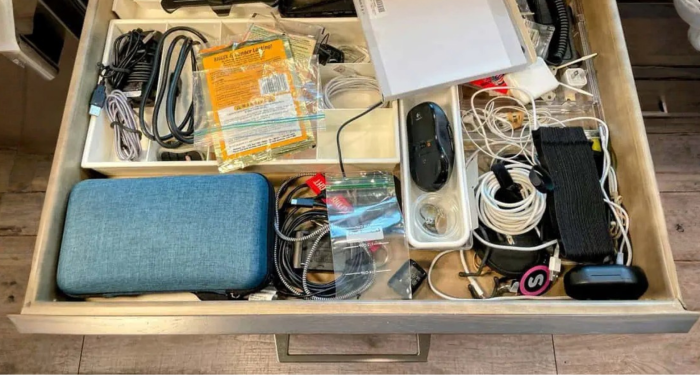
A functional home doesn’t need to look like a catalog spread. What matters is that you can find what you need, that dishes and laundry don’t pile up into mini-emergencies, and that the trash goes out before it becomes unbearable.
These small, unglamorous tasks create stability you can feel the moment you walk through the door.
There’s also a mental shift here. A cluttered or chaotic environment adds stress in ways you don’t always notice until it’s gone. Clearing off a table, folding clothes, or fixing that leaky faucet removes little points of friction that quietly drain your energy.
When your surroundings are calm, it’s easier to think, rest, and focus on what matters.
If you can regularly keep your living space at a baseline of order—not perfect, but comfortable and supportive—you’ve taken ownership of your environment. That sense of control is a very real marker of successful adulting.
5. Taking care of your health consistently
Adulthood shows itself most clearly when health becomes a priority rather than an afterthought.
Scheduling checkups, moving regularly, and paying attention to how your body feels are all signs of responsibility taking root. It’s no longer about waiting until something hurts—it’s about catching issues before they escalate.
Mental health belongs in this category just as much as physical health. Small habits like journaling, meditation, or simply giving yourself downtime are ways of keeping your emotional balance intact.
The consistency matters more than the scale; regular maintenance builds resilience over time.
Treating health as an ongoing commitment is one of the clearest indicators of adulting done well. It means recognizing that you’re in charge of looking after the one body and mind you’ve got (and you no longer need your mom to remind you!).
6. Planning ahead instead of always reacting
Life feels steadier when it’s not just one fire drill after another. Adults who’ve found their rhythm make use of calendars, reminders, and routines so they’re not constantly scrambling.
Planning meals before the fridge is empty, booking appointments ahead of deadlines, or preparing for the week instead of waiting for chaos are subtle but powerful shifts.
Proactive habits don’t eliminate uncertainty, but they reduce the weight of daily stress.
Having a backup fund, keeping essentials on hand, or allowing extra time for travel all demonstrate foresight. These are the quiet practices that prevent small setbacks from becoming overwhelming crises.
The ability to anticipate needs rather than only reacting to them signals a level of maturity that makes everything else in life easier to manage.
7. Making decisions without needing outside approval
Another hallmark of independence is the ability to decide for yourself.
Whether it’s career moves, social choices, or even small day-to-day preferences, trusting your own judgment shows you’ve stepped into adulthood fully. Seeking advice is still valuable, but the final decision comes from you.
Self-trust grows each time a choice is made and carried through. Mistakes will happen, of course, but even those reinforce the fact that you can handle consequences without collapsing.
Over time, you feel your voice become stronger, and you become more confident in trusting your own decision-making ability.
When approval from others is no longer a requirement for action, the balance shifts. You stop outsourcing your life and begin steering it, which is one of the clearest signs that you’ve truly learned how to adult.
Conclusion
The truth about adulting is that it never feels like a finish line. Most of us stumble, fall behind, or wonder if we’re even qualified to call ourselves adults.
But when you can do these things consistently, you're definitely already living it.
Adulting isn’t certainty. It’s a thousand small choices made day by day. And if you’re making them on your own, with consistency, then you’ve done more than survive the messy in-between. You’ve grown into someone you can rely on.
If You Were a Healing Herb, Which Would You Be?
Each herb holds a unique kind of magic — soothing, awakening, grounding, or clarifying.
This 9-question quiz reveals the healing plant that mirrors your energy right now and what it says about your natural rhythm.
✨ Instant results. Deeply insightful.