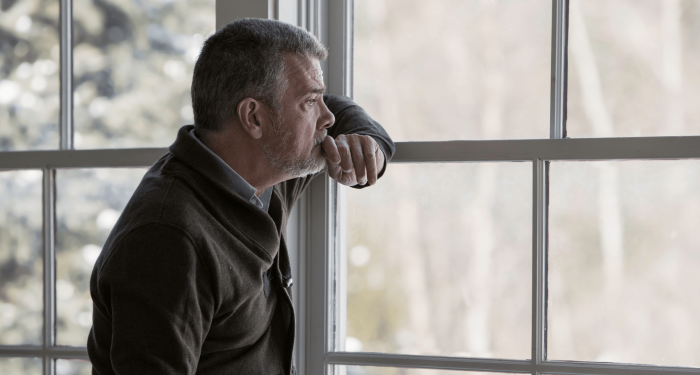
A beautiful soul shows itself when things get hard, not when everything is easy. In difficult moments, their actions speak quietly but clearly. These eight behaviors reveal the kind of person they truly are.
A lot of people look great when life is easy.
They’re upbeat. They’re supportive. They’re “good vibes only” with a clean aesthetic and a well-timed compliment.
But difficulty is the real spotlight.
When things go wrong, when someone’s stressed, when the plan collapses, when emotions are running hot, that’s when you see what someone is really like.
And I don’t mean whether they stay “nice.” Nice can be social glue. Nice can be a mask. Nice can evaporate the second someone feels uncomfortable.
I’m talking about people who still show up as solid humans when the room gets heavy.
I learned a lot of this in hospitality. You can tell a lot about a person by how they behave when they’re hungry, tired, running late, or told “no.”
In restaurants, pressure doesn’t politely knock. It kicks the door in. Tickets pile up, mistakes happen, somebody complains, a team member is on the edge, and you either add to the fire or you help put it out.
The people with a genuinely beautiful soul tend to do the same handful of things again and again.
Not perfectly, not like saints, but consistently enough that you feel it.
Here are eight signs to look for, especially when life is not being cute.
1) They stay kind when they’re stressed
Kindness is easy when everything is going your way.
It’s easy when you’re well-rested, well-fed, and nobody is poking your insecurities.
The real test is when they’re stressed and still choose not to make you pay for it.
In a busy restaurant, I watched two types of people emerge under pressure.
The first type got sharp fast. Every mistake became a reason to snap. Every delay became a personal insult. Their stress turned into everybody else’s problem.
The second type stayed steady. They still corrected mistakes, but they didn’t humiliate people in the process. They kept their tone human. They stayed respectful even when the situation was chaotic.
That’s not being soft. That’s having emotional control.
If someone can stay kind while their nervous system is screaming, that’s a serious sign of character.
2) They don’t make the moment about them
You’ve probably seen this one.
Someone is going through it, and suddenly the “helper” becomes the main character.
They jump in with a dramatic story about themselves. They turn your pain into their advice show. They somehow end up needing you to comfort them for comforting you.
A beautiful-soul person doesn’t hijack hard moments.
They can sit in discomfort without grabbing the mic.
They don’t compete for who has suffered more. They don’t use your vulnerability as an opening to perform wisdom.
They stay focused on you, not their image.
Sometimes they’ll ask a simple question that changes everything: “Do you want advice, or do you want me to just listen?”
That question is rare. And it’s a big deal.
Because in difficult moments, most people don’t need a lecture. They need presence.
3) They choose clarity over drama
When life gets tense, many people add noise.
They rant. They hint. They vent to five different people. They turn a small issue into an ongoing saga.
Beautiful-soul people do something more useful. They go for clarity.
They say what they mean without being cruel. They ask questions before making accusations. They don’t inflate the situation just to feel powerful.
If there’s a misunderstanding, they don’t punish you with silence and hope you figure it out.
They’ll say, “I might be reading this wrong, but this is how it landed for me.”
That sentence is relationship gold.
Clarity is a form of kindness because it reduces confusion.
And confusion is exhausting, especially when things are already hard.
4) They give grace before they demand it

Grace sounds like a soft concept until you’re on the receiving end of it.
Grace is when someone assumes you’re human before they assume you’re the enemy.
It’s the friend who says, “You’ve been off lately, are you okay?” instead of “You’ve changed.”
It’s the partner who asks, “Is this about me or are you overloaded?” instead of instantly clapping back. It’s the coworker who says, “Let’s reset” instead of keeping score.
Now, grace is not the same as being a doormat.
Beautiful-soul people still have boundaries. They still speak up. They still protect their peace.
They just don’t mix boundaries with punishment.
They can hold a line without becoming mean. They can address a problem without making it personal.
That combination is rare and it’s a sign of real inner stability.
5) They take responsibility for their part quickly
This is one of the clearest markers of a good heart.
When conflict hits, some people go straight into defense mode. They argue the details. They justify. They explain. They dodge. They turn into a lawyer trying to win a case.
Beautiful-soul people don’t treat accountability like an attack.
They can say, “That’s on me.” They can say, “I handled that badly.” They can say, “I see why that hurt you, I’m sorry.”
And they don’t make you comfort them about it. That matters.
Because some people apologize in a way that creates extra work for you.
Suddenly you’re managing their guilt while you’re still trying to process what happened.
A real apology is clean and simple. It makes space for repair.
If someone can own their part without turning it into theater, they’re usually safe to build with.
6) They regulate their emotions instead of exporting them
A lot of people were never taught how to deal with hard feelings.
They offload them.
They snap at the nearest person. They make passive-aggressive comments. They pick fights that aren’t really about the fight. They disappear and call it “needing space,” but it’s really avoidance.
Beautiful-soul people still have emotions, obviously. They’re not robots.
But they try not to use people as emotional dumping grounds.
They’ll say, “I’m not in a good headspace, I need a minute.”
They’ll take a walk, hit the gym, write things down, breathe, sleep, eat, and come back when they can speak like a decent human.
This is something I’ve noticed in a lot of nonfiction too: Feelings are valid, but they’re not always accurate. They’re signals, not instructions.
People with a beautiful soul tend to treat emotions like information. They listen, they process, then they respond.
That’s how you create safety in tough moments.
7) They help in ways that are actually useful
Some people “help” in ways that look impressive.
They make a grand gesture. They say big words. They post about it. They give advice you didn’t ask for because it makes them feel wise.
Beautiful-soul people look for what’s needed, not what’s applause-worthy.
They show up with something practical. They lighten your load without making you feel indebted. They help quietly and consistently.
Sometimes that looks like food.
I’m not vegan, but I deeply respect anyone who uses food as care without turning it into a personality contest.
A genuinely good person doesn’t show up with a meal and make it about their culinary genius. They show up with something thoughtful and simple that says, “You don’t have to do everything right now.”
A warm container of something comforting can be more supportive than a hundred motivational quotes.
The point is this: Beautiful souls don’t help to be seen. They help so you can breathe.
8) Finally, they keep hope grounded
In hard moments, you’ll meet two unhelpful extremes.
The first is the doom-spiraler, the person who turns every problem into a permanent tragedy. The second is the toxic-positivity person, the one who says “Everything happens for a reason” while you’re actively suffering.
Beautiful-soul people do something better.
They hold reality and hope at the same time.
They’ll say, “Yeah, this sucks.” And then they’ll say, “We’ll figure out the next step.”
They don’t minimize what you’re going through. They don’t rush you to “get over it.”
They just refuse to let the moment convince you that your whole life is broken.
That kind of grounded hope is powerful.
It’s not loud. It’s not corny. It’s steady.
And in difficult moments, steady is everything.
The bottom line
A genuinely beautiful soul isn’t someone who always says the perfect thing.
It’s someone who shows up well when it would be easier to get reactive, selfish, or cold.
Someone who stays kind under pressure, chooses clarity, offers grace, takes responsibility, and doesn’t dump their chaos on the people around them.
If you’re reading this and thinking, “I don’t always do these,” good. That means you’re self-aware.
This isn’t a checklist for perfection. It’s a direction.
Pick one of the eight and practice it the next time life gets intense.
Pause before you react. Ask what’s needed. Own your part quickly. Offer grace without abandoning your boundaries.
Over time, those choices shape who you become.
And they make you the kind of person others feel safer with in the moments that matter most.