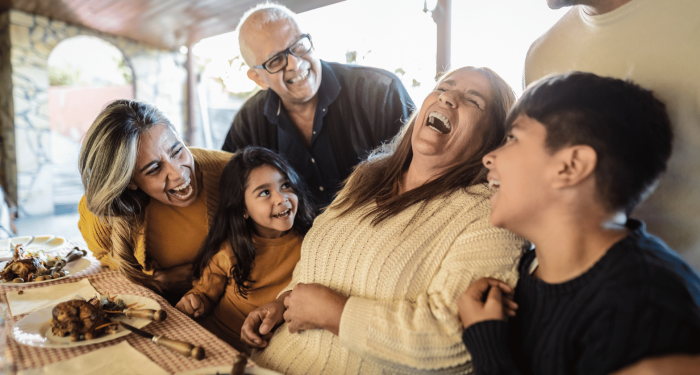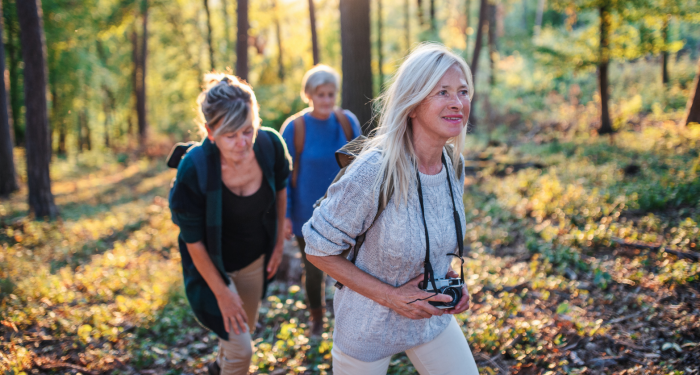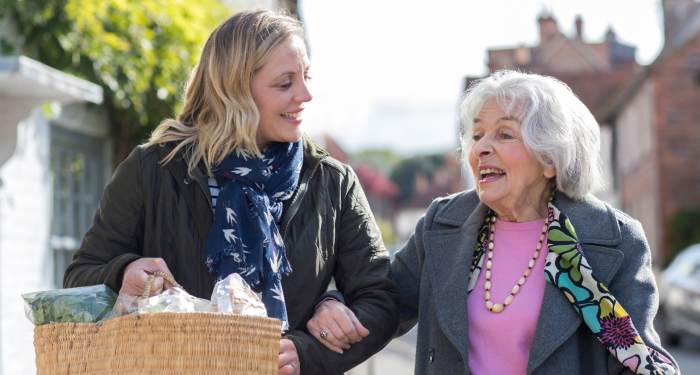
You can tell when someone has a young spirit, even if they have a few gray hairs. They laugh easily, stay curious, and make time for fun without guilt. These seven playful hobbies are a surprisingly accurate sign.
You know that person who somehow looks fresher at 42 than they did at 32? Bright eyes. Relaxed face. A weirdly light vibe, like life is still interesting.
For a long time I assumed it was genetics, skincare, or some green powder that tastes like regret. But the more I paid attention, the more I noticed something else.
People who seem to be aging in reverse don’t spend all day trying to “stay young.”
They spend time playing. Not in a loud, performative way. In a real way. In a way that pulls them out of stress loops, gets their body moving, and keeps their brain flexible.
Play is one of those sneaky health habits. It lowers tension. It boosts connection. It keeps you curious.
And when you do it consistently, it shows up in your energy and your face.
If you want to look and feel like time is on your side, here are seven playful hobbies that tend to show up in people who just seem to glow.
1) Learning a social dance
Salsa, swing, bachata, even a beginner hip-hop class. It doesn’t matter.
The point is you’re moving with other people, to music, without the pressure of being perfect.
Social dance is cardio disguised as fun. You sweat, you laugh, you mess up, you try again.
That cycle alone keeps you young because it trains something most adults lose: Comfort with being a beginner. It also forces presence.
You can’t doomscroll in your head while trying to follow a rhythm and not step on someone’s toes.
I’ve watched people walk into a dance class looking tense and stiff, then walk out looser.
Their posture changes. Their face softens. They look more alive.
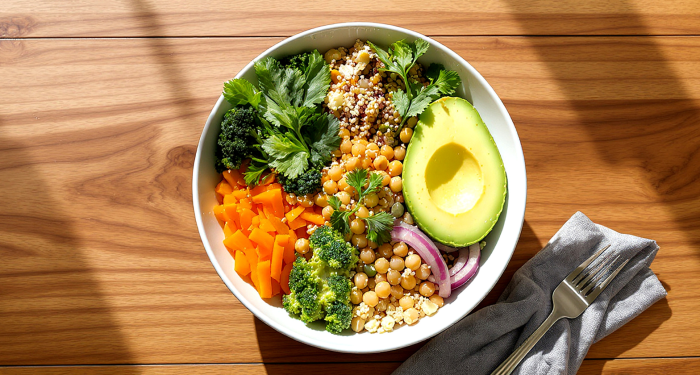
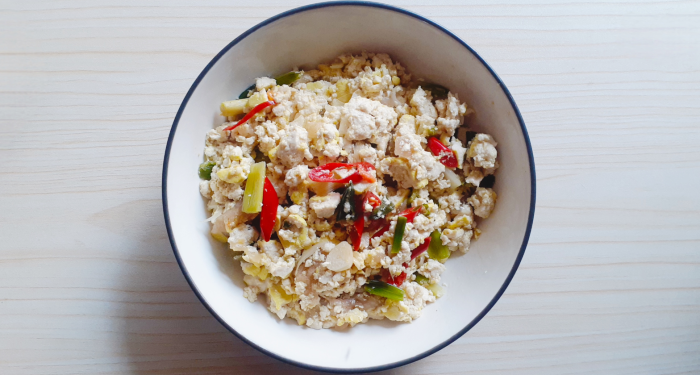
If you want to make this habit easy, build a simple pre-class ritual. Eat something light that actually fuels you. A rice bowl with grilled fish or tofu and greens. A small pasta portion with veggies and a bit of protein.
You want energy, not a food coma. Then let the music do the rest.
2) Cooking like it’s a game
I spent my 20s in luxury F&B, so I’m biased. But playful cooking is one of the best “anti-aging” hobbies I know.
Not the strict meal prep routine where you eat the same thing for five days straight.
I mean cooking with curiosity. Pick a theme night. Try a cuisine you’ve never cooked. Recreate a street food you ate while traveling. Make dumplings with friends. Bake something complicated just to see if you can.
When you cook this way, food stops being a math problem. It becomes a craft. You use your senses. You smell. You taste. You adjust.
That pulls you into the moment in a way screens never will. And there’s a mindset benefit too. You start appreciating process. You become more patient. You stop rushing everything.
That kind of calm shows up everywhere, including in your eating habits.
Want a simple start? Pick one “signature” dish and learn it deeply.
For me, it’s pasta. Once you understand salt, heat, fat, and acid, you can make endless variations without needing a recipe every time.
3) Playing a sport for fun, not dominance
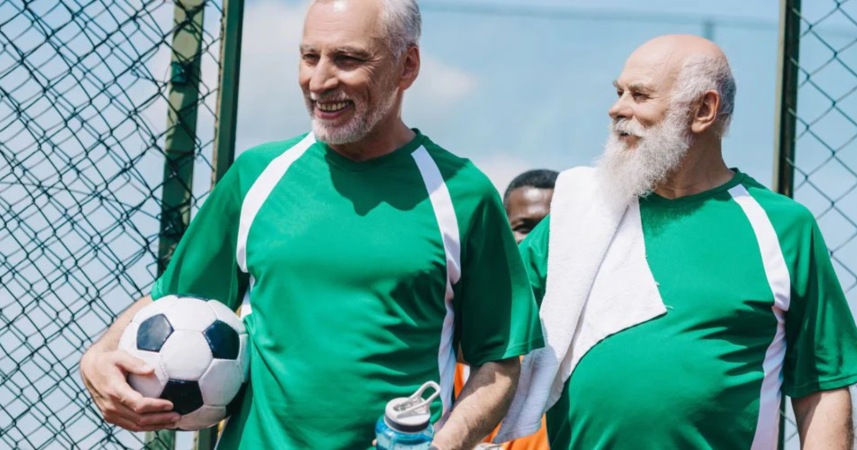
The people who seem younger than their age are often doing some kind of casual sport. Pickleball. Tennis. Basketball at the park. Badminton. Table tennis. Even just shooting hoops alone.
The key is their attitude. They play, they don’t perform. That matters because sport gives you short bursts of movement, coordination, reaction time, and balance.
Those are exactly the physical qualities that tend to fade when people settle into a predictable routine.
You also get instant feedback. You improve without having to force motivation.
And if you play with friends, you’re stacking social connection on top of movement.
If you’re worried about injury, start gentle. Doubles tennis. Pickleball. Table tennis.
Think of it as movement with a smile, not punishment with a scoreboard.
4) Making something with your hands
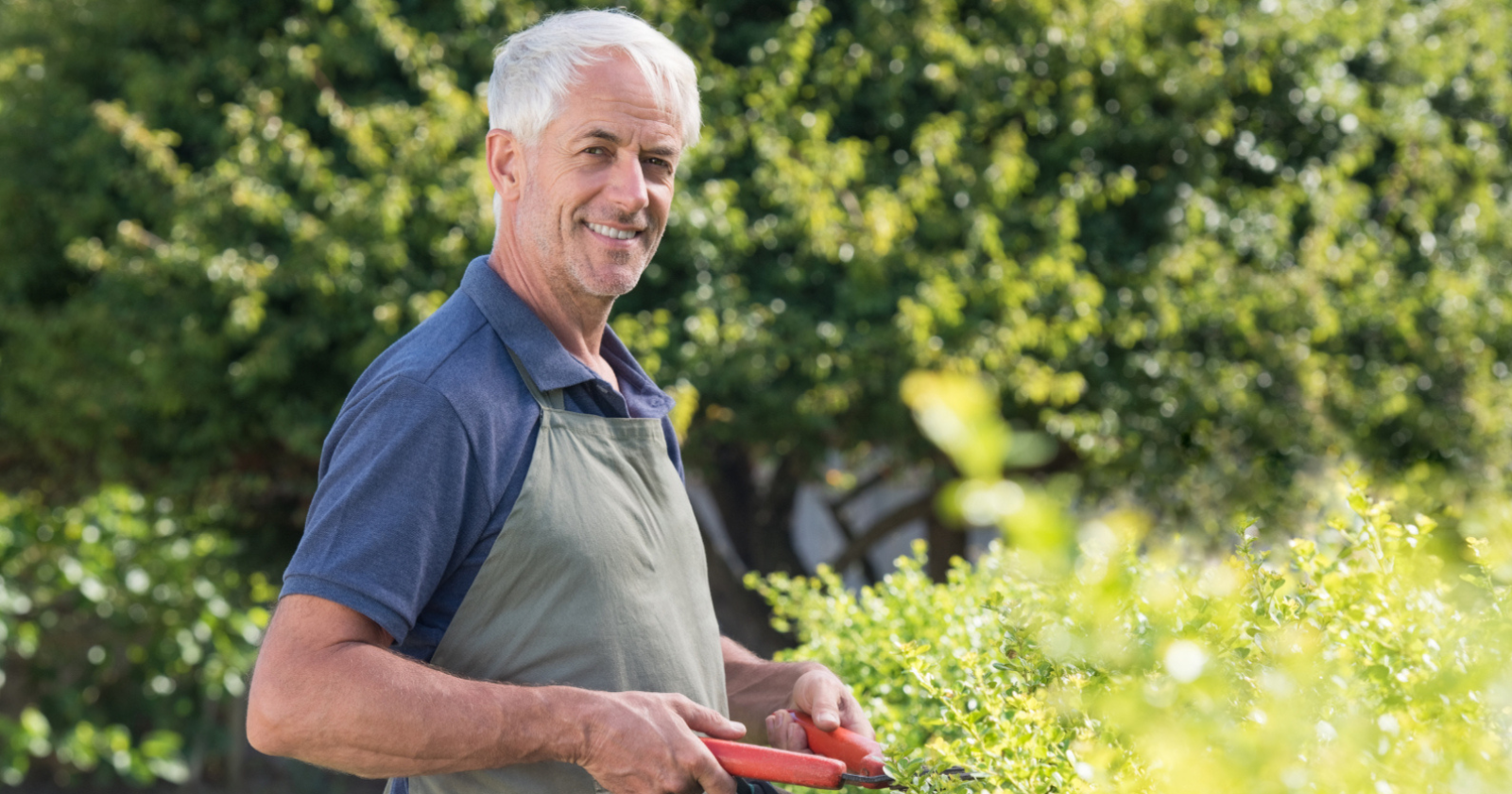
There’s a certain glow that shows up when people have a hands-on hobby. Pottery. Painting. Gardening. Baking bread. Knitting. Woodworking.
Even LEGO, yes, adult LEGO people are often thriving.
Making stuff is slow dopamine. You don’t get the cheap hit of scrolling. You get satisfaction through attention. You see progress over time. You learn to enjoy being imperfect.
That’s a big deal because adulthood trains us to avoid looking foolish.
Hands-on hobbies reverse that.
I’ve seen people start pottery in their late 30s and look like different humans by their early 40s. Not because clay is magic, but because their life suddenly had texture.
A place to go each week. A skill to build. A community. A reason to focus.
When you build things, you tend to respect craft. You slow down. You enjoy meals more. You treat your kitchen less like a pit stop and more like a space you live in.
5) Singing, even if you’re not “good”
This hobby is underrated because people treat singing like a talent instead of a practice. But singing is playful. It’s vulnerable. It forces you to stop trying to look cool.
Karaoke. A casual choir. Singing in your car. Singing while you cook. All of it counts.
When you sing, you breathe deeper. You use your diaphragm. You relax your jaw and throat. You open your chest. Your body literally shifts out of tight, guarded posture.
And socially, singing softens people.
I’ve watched serious adults turn into actual humans after a few karaoke songs.
They laugh. They stop managing their image. They connect. That’s the secret.
People who age well usually care less about looking impressive.
They look good because they’re relaxed.
If you want an easy ritual, do a “cook and sing” night once a week. Put on a playlist, make something comforting, and let yourself be a little ridiculous. Homemade pizza is perfect for this. It’s hands-on, forgiving, and it tastes like a reward.
6) Exploring your city like a tourist
Some people get older and their world shrinks. Same routes. Same restaurants. Same weekend routine. Same conversations.
People who stay youthful expand. They explore. Not necessarily by buying plane tickets. More like treating their own city as a place worth being curious about.
A new café. A new market. A museum you’ve ignored. A food festival. A tiny bookstore you never noticed.
Exploration is a hobby when you do it intentionally.
Make a simple rule:
- One new place a week.
- One new flavor.
- One new experience.
This matters because novelty keeps your brain flexible.
You’re navigating, adapting, paying attention.
That’s mental mobility, and it tends to show up in your energy.
Also, from a food perspective, exploration makes eating more mindful. You taste more. You notice more. You stop eating on autopilot.
In hospitality we learned that people don’t remember perfection. They remember how you made them feel.
Life is the same. You won’t remember the hundred nights you ate the same dinner on the couch. You will remember the random Tuesday you found an incredible bowl of noodles in a side street.
7) Playing like a kid on purpose
Finally, this is the one people resist, because it sounds childish. That’s exactly why it works.
The most youthful adults I know build in moments of pure, unnecessary play. Not for productivity. Not for optimization. Just because it’s fun.
They skateboard badly. They learn magic tricks. They play casual video games. They go to an arcade. They do improv. They throw a frisbee. They take photos for no reason and don’t even post them.
This kind of play sends a powerful message to your nervous system: Life is not an emergency.
And when your body stops living like everything is urgent, a lot of things improve.
Sleep gets better. Cravings get calmer. Stress eating drops. Movement feels easier.
Your face looks softer because you’re not clenching through your whole day.
If you want a simple entry point, pick something you loved at 12 and do it for 30 minutes this week.
That’s it. Don’t turn it into a new identity. Don’t buy a bunch of gear. Just do the thing.
Conclusion
If you’re thinking, “Sounds nice, but I’m busy,” I get it.
Adult life is full of deadlines, responsibilities, and that constant feeling that we should be doing something more serious.
But the people who seem to be aging in reverse usually aren’t doing more.
They’re doing lighter. They move in ways that feel fun. They create. They explore. They connect. They give themselves permission to be a beginner. They treat play like part of health, not a break from it.
Here’s the real question: Where could you add one small pocket of play this week?
Pick one hobby from this list and try it once. No overthinking.
Then pay attention to what happens to your mood, your appetite, your energy, and the way you carry yourself.
Sometimes “anti-aging” looks less like a serum and more like you laughing at yourself in a dance class, singing off-key in your kitchen, and remembering you’re allowed to enjoy your life.
What’s Your Plant-Powered Archetype?
Ever wonder what your everyday habits say about your deeper purpose—and how they ripple out to impact the planet?
This 90-second quiz reveals the plant-powered role you’re here to play, and the tiny shift that makes it even more powerful.
12 fun questions. Instant results. Surprisingly accurate.