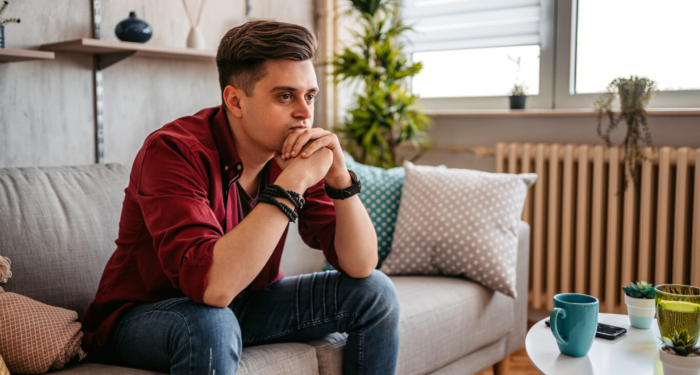
If you’d rather spend an evening at home than push through another loud, crowded scene, you might be more sensitive to stimulation, more protective of your energy, and more interested in depth, creativity, and real recovery.

Add VegOut to your Google News feed. 
There’s a moment at a crowded party when the music gets louder, the conversations get faster, and I can feel my brain quietly reaching for the exit.
I’ve learned something that took me way too long to admit: Sometimes the most self-respecting move is going home, making tea, and letting your nervous system unclench.
If you regularly choose calm nights in over packed rooms, psychology suggests you might be operating with a few uncommon personality strengths that don’t always get the spotlight.
Let’s talk about seven of them:
1) High sensory sensitivity
Some people can thrive in a loud bar like it’s a charging station.
Others feel like their senses are being asked to juggle flaming torches.
If you’re in the second group, you might have higher sensory processing sensitivity.
That’s a fancy way of saying your brain takes in more input and processes it more deeply.
Crowds come with a lot of stimulus at once: Noise, movement, small talk, social cues, smells, lighting, and unpredictability.
For a highly sensitive person, it’s too much data and I’ve noticed this most when I’m out shooting photos.
If I spend a couple of hours really looking, really noticing light and angles and tiny details, my brain feels full in a good way.
However, add a crowded party after that and it’s like someone opened 37 extra tabs in my head.
If quiet evenings feel like relief, not loneliness, that’s often a sign your system is tuned a little more finely than average.
2) Strong boundaries
Let’s be honest: A lot of socializing is performance.
You smile when you’re tired, you nod at stories you’ve heard three times, and you stay longer than you want because leaving feels rude.
If you’re choosing a night at home, you might be practicing something many people talk about but few actually do: Real boundaries.
The kind that says, “I’m not available for this, and I don’t need to justify it.”
This is rare because social pressure is powerful, and we’re trained to treat an invitation like an obligation.
Psychologically, the ability to say no without spiraling into guilt is tied to emotional maturity and self-trust.
Here’s a quick check-in question: When you skip the party, do you feel peaceful or do you feel like you broke an invisible rule?
If it’s peace, that’s a sign you’re getting good at protecting your time and energy.
3) Preference for depth
A crowded room often rewards quick connection.
Short stories, fast jokes, surface-level updates; that can be fun in small doses but if your favorite conversations are the ones that start with, “So what’s been on your mind lately?” you might have a depth-first personality.
People like this tend to value meaning over volume.
They want to connect.
Quiet evenings at home can be a natural match for this trait because depth needs space.
It needs slower pacing and the freedom to let a thought finish without someone shouting “Shots!” from across the room.
I’ve traveled in places where social life naturally slows down, like smaller towns where people sit outside for hours and conversations unfold like a long song.
It reminded me that a lot of what we call “fun” is just speed.
4) Creative recharge instinct
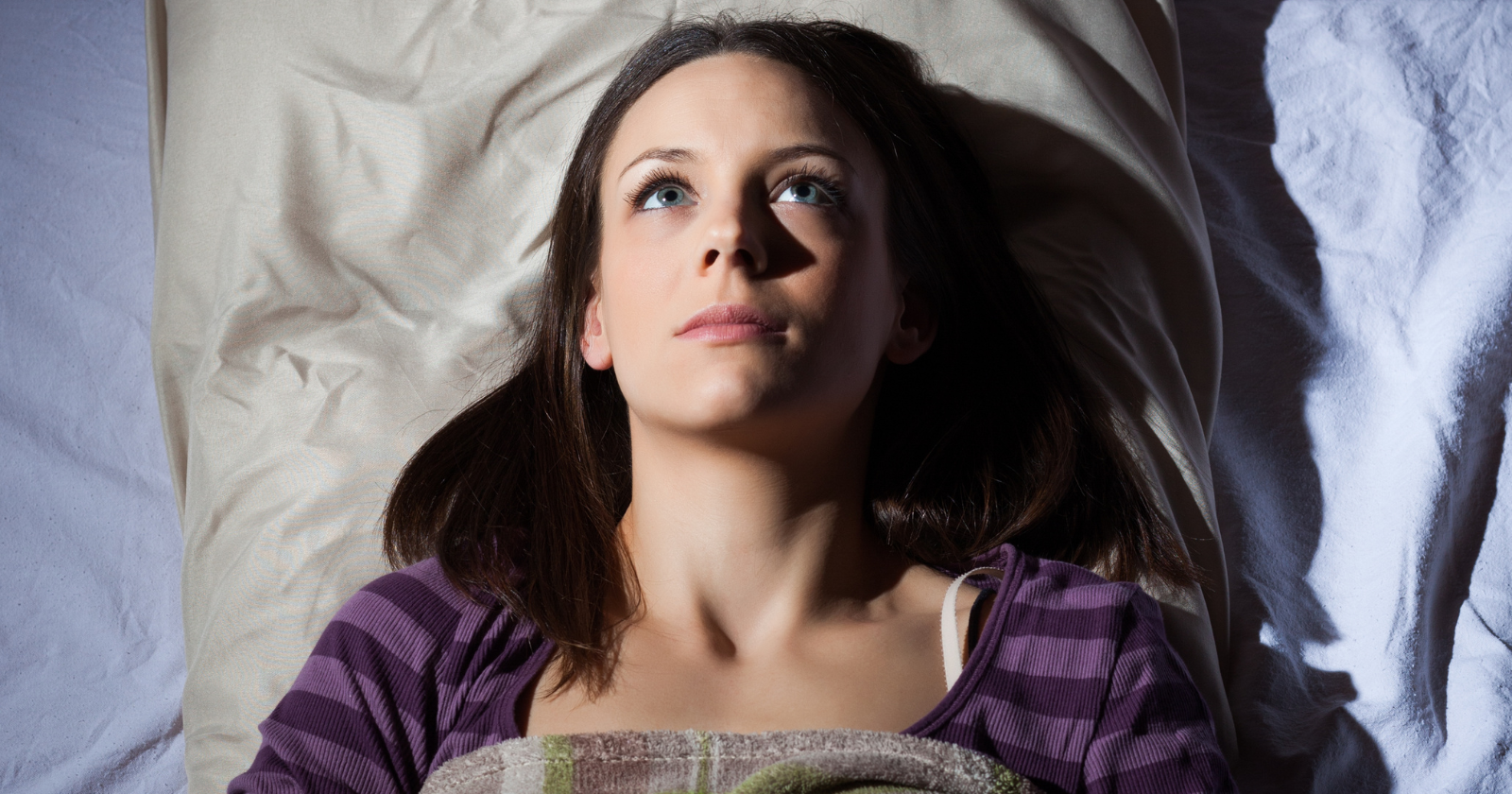
There’s a reason so many artists, writers, and builders protect their solitude like it’s sacred.
Quiet is where ideas connect.
If you consistently choose an evening at home, you might have a creative recharge instinct.
Your brain does its best work when it has room to wander.
This isn’t limited to “creative types,” either.
Creativity shows up in problem-solving, planning, cooking, designing a better routine, and even figuring out how to communicate more clearly.
For me, some of my best ideas show up when I’m doing something simple, like editing photos or putting on an indie playlist and making a vegan dinner that’s basically “whatever is left in the fridge, but make it interesting.”
It’s not glamorous, but it’s mentally spacious.
Crowded parties can interrupt that internal flow because they demand constant external attention.
Quiet nights give you back your attention, and attention is basically the currency of creativity.
If staying in makes you feel more like yourself, you may be protecting the environment your mind needs to create.
5) Low need for external validation
A surprising amount of social life is driven by a question people rarely say out loud: “Do you see me?”
Crowded scenes can offer quick hits of validation: compliments, laughs, attention, photos, being perceived.
Again, nothing wrong with that, but you might have a lower need for external validation than most.
That’s rare, because modern culture is basically built to keep us checking for feedback, such as the subtle social math of “who was there” and “who posted about it.”
When you can choose a quiet night without feeling like you’re missing your chance to be seen, it often signals a stronger internal sense of worth.
You can enjoy your own company without turning it into a self-improvement project.
Try asking yourself this: If nobody ever found out you stayed home, would you still choose it?
6) High self-regulation
Here’s a trait that doesn’t get enough credit: You can predict your future mood and act accordingly.
That’s self-regulation; it’s the ability to notice your patterns and make choices that protect tomorrow.
Some people chase stimulation and deal with the crash later, while others choose the calm option because they know the hidden cost of overdoing it.
I used to ignore this in my twenties as I’d stay out late, wake up wrecked, and then act surprised that my focus was garbage.
Now, if I’m invited out and I know I’ve got a busy week, I’m more likely to choose a quiet evening, read a bit, prep food for tomorrow, and actually feel like a functional human.
That’s skilled; psychologically, this points to strong impulse control and a future-oriented mindset.
You’re choosing what will feel good later and, in a world that sells instant gratification, that’s a rare superpower.
7) Comfort with solitude
Solitude gets unfairly labeled as sadness, but solitude and loneliness are not the same thing.
Loneliness is a painful lack of connection, while solitude is chosen space.
If you genuinely enjoy your evenings at home, you may have an uncommon comfort with your own inner world.
This often shows up in people who feel secure in themselves and don’t treat silence as a threat.
They can sit with their thoughts, reflect without panicking, and spend a Friday night without needing proof it “counted.”
This trait also tends to pair well with secure attachment, meaning you can value relationships without needing constant reassurance from them.
You just don’t need nonstop interaction to feel okay.
A simple question here is: When you’re alone, do you feel empty or do you feel reset?
If it’s reset, that’s emotional stability.
The bottom line
If you’d rather spend an evening at home than push through another loud, crowded scene, you might be more sensitive to stimulation, more protective of your energy, and more interested in depth, creativity, and real recovery.
Honestly, those are the traits that tend to age well.
The next time you choose the couch over the crowd, call it listening to yourself because a lot of people are still trying to learn how to do that.
What’s Your Plant-Powered Archetype?
Ever wonder what your everyday habits say about your deeper purpose—and how they ripple out to impact the planet?
This 90-second quiz reveals the plant-powered role you’re here to play, and the tiny shift that makes it even more powerful.
12 fun questions. Instant results. Surprisingly accurate.