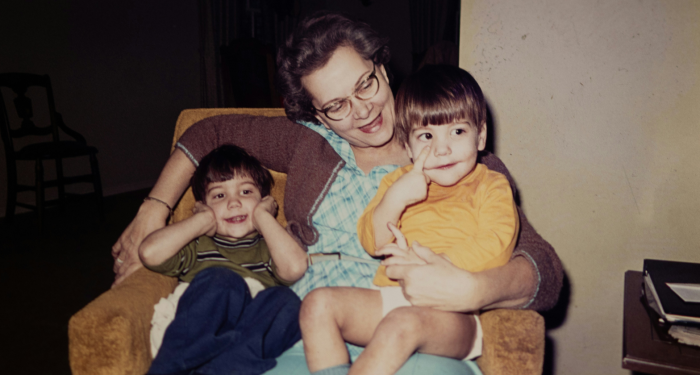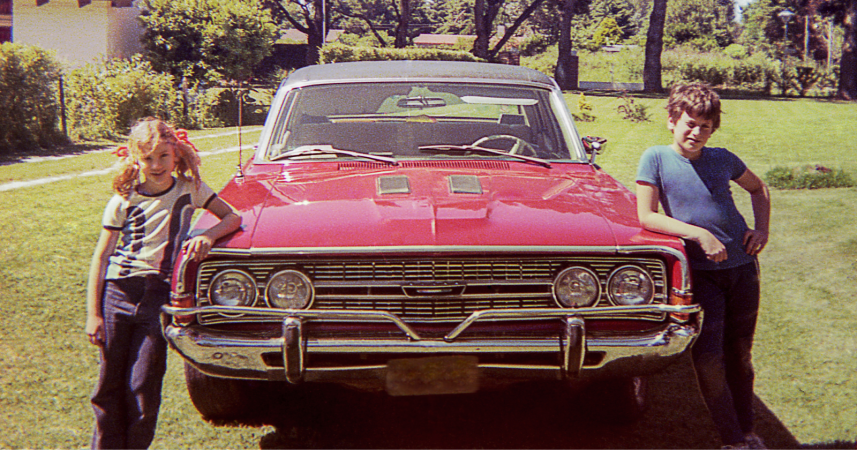
Growing up in the 60s meant navigating a world that felt simpler but was often far riskier. The rules and protections we take for granted today were written in hard lessons.

Add VegOut to your Google News feed. 
Every generation likes to think they had it tougher than the last.
But if you talk to someone who grew up in the 1960s, you start to realize they might actually have a point.
This was a time before warning labels, before safety regulations, and long before Google could tell you why something might be a bad idea.
A lot of things we now see as wildly irresponsible were just… everyday life.
No helmets. No seatbelts. No second thoughts.
When I hear stories from my parents and older relatives, I’m equal parts fascinated and horrified.
And as someone who’s spent years learning about health, food, and long-term wellbeing, it’s hard not to look back and think: how did everyone survive this?
Here are eight shockingly dangerous things that were completely normal in the 60s.
1) Kids rode in cars without seatbelts
Let’s start with the obvious one.
Seatbelts weren’t standard in cars until the late 1960s, and even then, hardly anyone used them.
Kids bounced around the backseat like loose groceries.
Some sat on laps.
Others stood up to wave at passing trucks.
I’ve heard stories of family road trips where children slept on the rear deck under the back window.
No restraints. No car seats. Just vibes.
Today, we analyze crash test ratings before buying a car.
Back then, the idea that a kid might need protection inside a moving metal box just wasn’t top of mind.
It’s almost funny until you remember how unforgiving physics can be.
2) Smoking was everywhere, including around food
If you’ve ever complained about someone vaping near your meal, the 60s would have broken you.
People smoked in restaurants, airplanes, offices, hospitals, and yes, kitchens.
Cigarettes dangled from mouths while meals were cooked.
Ashtrays sat right next to salt shakers.
Secondhand smoke wasn’t a concept yet.
Smoking wasn’t framed as dangerous.
It was stylish.
Social.
Even encouraged.
As someone who cares deeply about what goes into my body, the idea of eating a beautifully prepared meal in a cloud of smoke feels insane.
But back then, that was just dinner.
Looking back, it’s wild how something so clearly harmful could be so deeply normalized.
3) Kids played with toys that would never pass today’s safety tests
Ever seen old photos of kids playing lawn darts?
Those things were basically miniature spears.
Toys in the 60s were often made of heavy metal, sharp edges, and questionable chemicals.
There were chemistry sets with real toxic substances.
Toy guns that looked identical to real ones.
Small parts everywhere, just waiting to be swallowed.
The philosophy seemed to be: if you survive childhood, you earn adulthood.
Now we have age labels, choking hazard warnings, and recalls.
Back then, parents trusted manufacturers, and manufacturers played fast and loose with risk.
It makes modern helicopter parenting feel a little more understandable.
4) Food safety was a lot looser
This one hits close to home for me.
Food culture in the 60s was evolving, but food safety standards were nowhere near what they are today.
Refrigeration wasn’t universal.
Raw milk was common.
Handwashing protocols were, let’s say, optional.
Cross-contamination wasn’t widely discussed.
Undercooked meat was shrugged off.
Expiration dates were less precise, if they existed at all.
As someone who’s spent years in professional kitchens, I can tell you how much systems and standards matter.
They’re the difference between nourishment and food poisoning.
In the 60s, people relied more on smell, sight, and gut instinct. Sometimes literally.
5) Kids roamed freely with zero supervision
Here’s one that people love to romanticize.
In the 60s, kids disappeared after breakfast and came back when the streetlights turned on.
No phones. No check-ins. No GPS tracking.
On one hand, there’s something beautiful about that freedom.
On the other, it meant kids navigated traffic, strangers, construction sites, and open bodies of water with no adult oversight.
Helmets were rare. Safety rules were vague.
If something went wrong, help might be miles away.
We talk a lot now about independence versus safety.
Back then, independence just won by default.
6) Household chemicals were casually accessible
Take a look under a 1960s kitchen sink and you’d probably find a chemistry lab of danger.
Cleaning products were stronger, less regulated, and often unlabeled in any meaningful way.
Kids could reach them easily.
Mixing chemicals was common.
Gloves and ventilation weren’t priorities.
Lead-based paint was still widely used.
Pesticides were sprayed liberally in homes and gardens.
The long-term health effects weren’t fully understood or acknowledged.
Today, we debate organic cleaners and ingredient transparency.
Back then, if it made the house smell clean, that was good enough.
7) Alcohol consumption was openly casual
In the 60s, alcohol flowed freely and publicly.
People drank at lunch.
At work. At home with kids around.
Drinking and driving wasn’t seen as especially dangerous.
It was just part of adult life.
Cocktails were glamorous.
Excess was joked about.
Now we understand how alcohol affects judgment, development, and long-term health.
We talk about moderation.
We question our habits.
Back then, questioning wasn’t really the vibe.
Looking back, it’s sobering in more ways than one.
8) Finally, safety knowledge lagged far behind daily life
And this is the thread that ties it all together.
In the 60s, science and research simply hadn’t caught up to everyday behavior.
Or when it had, the information wasn’t widely shared or accepted.
People didn’t know what they didn’t know.
Nutrition science was basic.
Environmental health was ignored.
Long-term exposure risks weren’t part of the conversation.
It’s easy to judge the past through a modern lens, but most people were doing their best with the information they had.
Still, it’s wild to realize how much of daily life was built on assumptions that turned out to be dangerous.
The bottom line
Growing up in the 60s meant navigating a world that felt simpler but was often far riskier.
A lot of what we now take for granted, safety standards, health education, food regulations, came from hard lessons learned over time.
As someone who cares about living better, eating better, and thinking long-term, I find these contrasts fascinating.
They remind me that progress often comes quietly, through rules and research that don’t feel exciting but save lives.
It also makes me grateful.
Grateful for seatbelts.
For food safety standards.
For information at our fingertips.
And maybe most of all, grateful that we don’t have to relearn these lessons the hard way.