If you’ve mastered even a couple of these techniques, it means you can feed yourself well in a way that supports the rest of your life.
There’s a funny thing about “being good at cooking.”
Most people think it’s about having the right recipes, the right gadgets, or the right kind of mysterious Italian grandmother energy.
But after spending my 20s in luxury food and beverage, watching chefs crank out flawless plates under pressure, I learned something way less romantic.
Great cooking is mostly technique.
Technique is the boring stuff you practice when nobody’s watching.
It’s also the stuff that quietly makes you dangerous in the kitchen because you can cook without clinging to a recipe like it’s a life raft.
If you’ve genuinely mastered any of the techniques below, you’re probably ahead of most home cooks already because you’ve done the work.
1) Knife control
Knife control is the gateway skill because it affects everything: How evenly your food cooks, how confident you feel, how likely you are to actually cook on a random Tuesday instead of ordering takeout again.
Here’s what “good” looks like:
- Your cuts are roughly the same size.
- You can dice an onion without turning it into a tearful murder scene.
- You use the claw grip so your fingertips aren’t living on the edge.
- You’re not sawing back and forth like you’re cutting down a tree.
In restaurants, nobody’s impressed by fancy knife tricks.
They’re impressed when you can prep a mountain of produce quickly and it all looks the same.
Consistency is what makes your stir-fry cook evenly, your roasted veg brown at the same rate, and your salads feel intentional.
How to practice without hating your life: Buy a bag of onions or carrots and set a timer for 10 minutes.
Slice, dice, repeat; you’re aiming for “better than last week.”
Also, sharpen your knife because a dull blade is basically a butter knife with anger issues!
2) Seasoning with intention
Most home cooks under-season, then they blame the recipe.
Seasoning is knowing when to salt, how much, and what kind of flavor you’re trying to build.
Salt is the obvious one, but seasoning is bigger than that.
It includes acidity (lemon, vinegar), heat (chili, pepper), sweetness (a touch of honey or sugar), and bitterness (greens, cocoa, char).
If you’ve ever eaten something and thought, “It’s good but it’s missing something,” that “something” is usually salt or acid.
One of the best kitchen habits I ever stole from chefs is sharpen your knife.
More like: If you don’t taste, you’re cooking blind.
Here’s the simple mental checklist I use:
- Does it taste flat? Add salt.
- Does it taste heavy or dull? Add acid.
- Does it taste sharp or too salty? Add fat or sweetness.
- Does it taste boring? Add texture or spice.
This is also where you get to be a better “healthy eater” without suffering, like a bowl of lentils with smart seasoning feels satisfying, or a bowl of lentils with no seasoning feels like punishment.
If you want a cheat code, read Salt, Fat, Acid, and Heat.
This teaches you to think like a cook instead of a recipe robot.
3) Browning for flavor
If you’ve mastered browning, you’ve basically unlocked a flavor multiplier.
This is the difference between “I cooked this at home” and “Why does this taste like it came from a restaurant?”
Browning is what happens when you properly sear mushrooms until they’re golden and meaty.
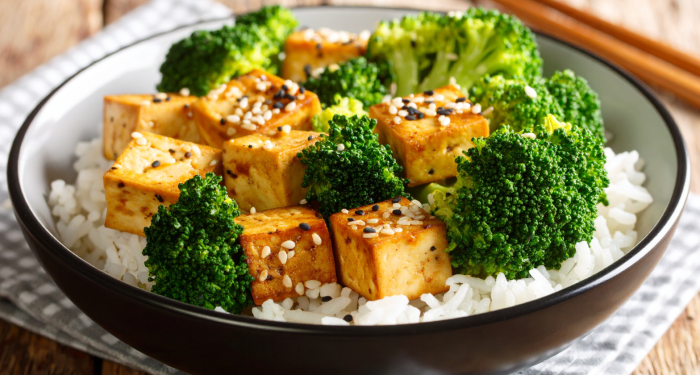
It’s what turns tofu from bland to addictive, and it’s what makes roasted vegetables taste sweet and complex instead of watery.
A lot of people miss this because they crowd the pan, keep the heat too low, or panic the second something sticks.
Let it stick a little; that’s the beginning of flavor.
Some practical rules:
- Pat things dry because moisture is the enemy of browning.
- Use a hot pan and enough oil to coat.
- Don’t overcrowd; If the pan is packed, you’re steaming.
- Don’t move things constantly and give food time to develop color.
Try this with mushrooms sometime: Slice them, throw them in a hot pan with oil, then leave them alone for a few minutes.
They’ll release water, look sad, then suddenly start browning and smelling incredible.
It’s like watching someone glow up in real time.
4) Deglazing and pan sauces
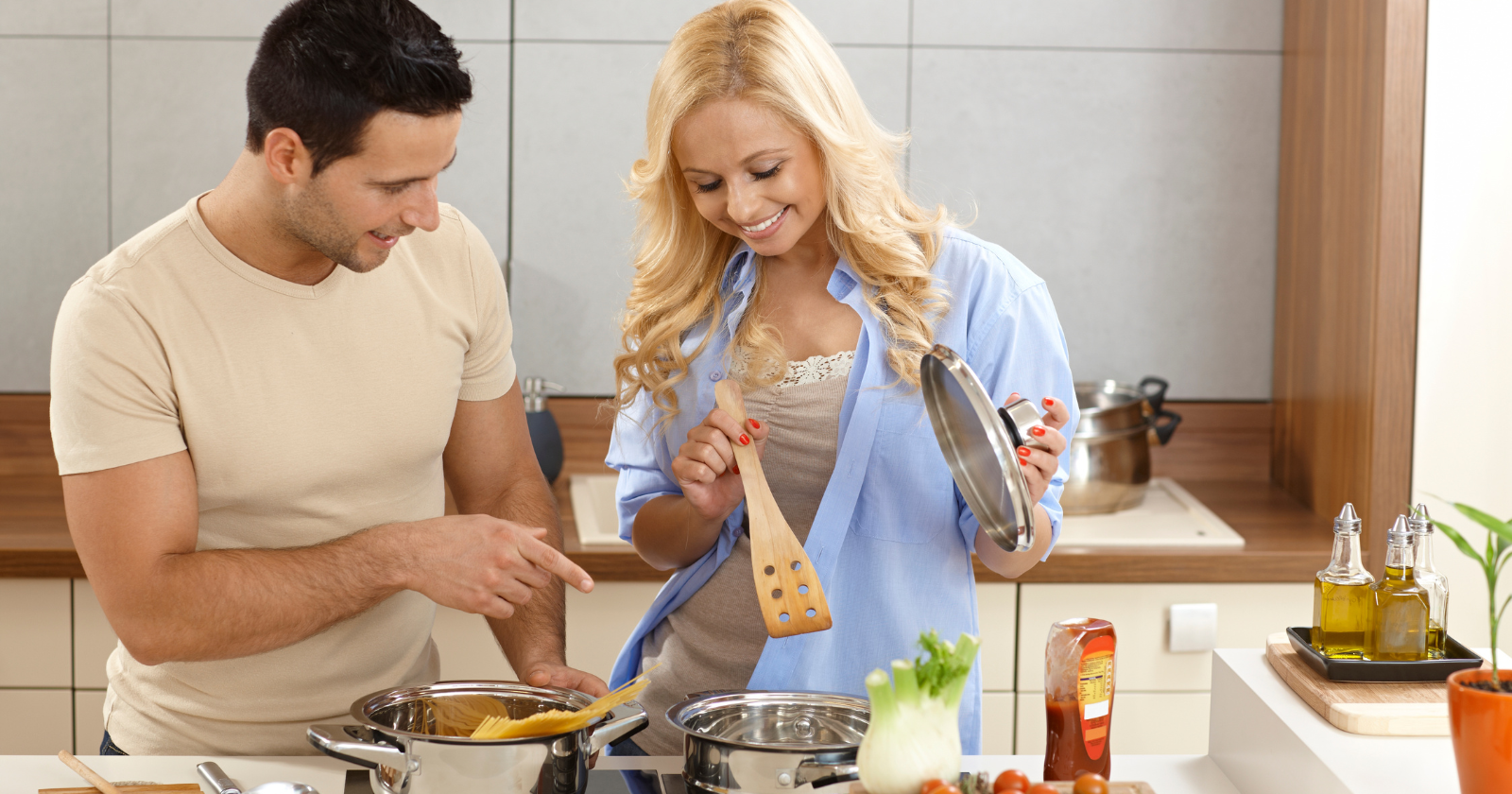
This one feels like magic the first time you do it: You cook something, it leaves browned bits on the bottom of the pan and, instead of scrubbing them off like a tragic chore, you turn them into sauce.
Those browned bits are called fond, and they’re basically concentrated flavor.
Deglazing means adding liquid to the hot pan to dissolve that fond and build a sauce.
This is how you make weeknight meals feel expensive without doing anything fancy.
The basic move:
- Sear something or brown aromatics.
- Remove the food if needed.
- Pour in a splash of wine, broth, vinegar, or even water.
- Scrape the pan with a wooden spoon.
- Reduce it slightly.
- Finish with a bit of fat (butter, olive oil) and maybe a squeeze of lemon.
If you’re cooking plant-forward, this is gold.
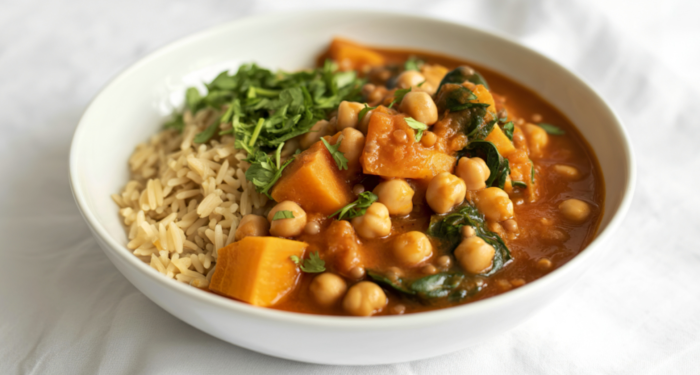
Brown some chickpeas or tofu, deglaze with veggie broth and a little soy sauce, then finish with lemon.
Now you’ve got a sauce that tastes like you planned ahead.
In high-end kitchens, sauces are where chefs flex.
At home, a quick pan sauce is how you feel like you have your life together.
5) Emulsifying like a grown-up
If you can make an emulsion, you can make food taste rich and cohesive instead of like a pile of separate ingredients.
An emulsion is when you get fat and water-based liquids to play nicely together.
Think vinaigrette, mayonnaise, aioli, tahini sauce, creamy dressings, even a glossy ramen broth.
Most people do the lazy version: dump oil and vinegar on salad, stir twice, call it a day.
The result tastes sharp for one bite, oily for the next, and generally confusing.
A real vinaigrette is stable and balanced; it coats the leaves and it makes a bowl of greens feel like actual food.
The simple ratio for vinaigrette is usually 3 parts oil to 1 part acid, then salt, pepper, and something to help it emulsify (mustard is the classic).
Shake it hard in a jar and you’ve got a dressing that beats most store-bought bottles.
Once you get comfortable, you start riffing:
- Lemon + tahini + water + garlic for a creamy dressing.
- Miso + rice vinegar + sesame oil for an umami bomb.
- Yogurt (or a plant yogurt) + herbs + salt for a fast sauce.
If you’re trying to eat better, sauces matter because a good sauce makes healthy food feel worth eating.
6) Controlling temperature and doneness
This is the skill that separates “pretty good cook” from “consistently good cook.”
Most cooking disasters are temperature problems.
Chicken dries out, fish falls apart, vegetables burn outside and stay raw inside, pancakes are raw in the middle; all of it is heat management.
Restaurants obsess over temperature because consistency is their business model.
At home, you can be a little messy, but you still want repeatable results.
A few things that help a lot:
- Preheat your pan and your oven.
- Learn the difference between high heat (searing) and medium heat (steady cooking).
- Let meat rest, and let roasted veggies sit for a minute before tossing them around.
- Use a thermometer if you cook meat or bake often.
Even if you mostly cook plant-based, doneness still matters, like how overcooked tofu gets tough, overcooked broccoli gets sad, and overcooked pasta turns to mush and ruins your mood.
This technique also teaches patience, which is annoyingly valuable outside the kitchen too.
You can’t rush a good sear, and you can’t rush a good career; both punish you when you try.
7) Building meals by timing
Finally, let’s talk about the skill nobody posts on Instagram: Coordination.
You know that moment when your main dish is ready but the rice is still crunchy, the salad isn’t dressed, and you’re sweating like you’re on a cooking show?
Yeah, timing.
If you’ve mastered timing, you’re already cooking like a pro because you’re thinking in systems.
This is what it looks like in real life:
- You start the slow thing first (rice, potatoes, beans, oven-roasted veg).
- You prep while something cooks instead of scrolling.
- You clean as you go, so the kitchen doesn’t look like a disaster zone.
- You know what can sit for five minutes (most things) and what can’t (delicate fish, crispy stuff).
One of my favorite “adult” habits is mise en place, which is just a fancy way of saying “get your stuff together before you start.”
Chop the onions, measure the spices, wash the greens, and then cook.
It’s about reducing friction and, if you want to make this a lifestyle thing, borrow a page from Atomic Habits: Make it easy to do the right thing.
If you keep your cutting board accessible, your knife sharp, and your pantry stocked with basics, cooking stops feeling like a huge event.
It becomes normal, and normal is powerful.
The bottom line
If you’ve mastered even a couple of these techniques, you’re cooking.
That’s a big deal, because it means you can feed yourself well in a way that supports the rest of your life.
Better energy, better health, more confidence, less decision fatigue, and less money spent on overpriced food that’s somehow both greasy and unsatisfying.
The funny thing about cooking is that small upgrades compound fast and, a year from now, you’ll be the person people text for recipe advice!
If You Were a Healing Herb, Which Would You Be?
Each herb holds a unique kind of magic — soothing, awakening, grounding, or clarifying.
This 9-question quiz reveals the healing plant that mirrors your energy right now and what it says about your natural rhythm.
✨ Instant results. Deeply insightful.