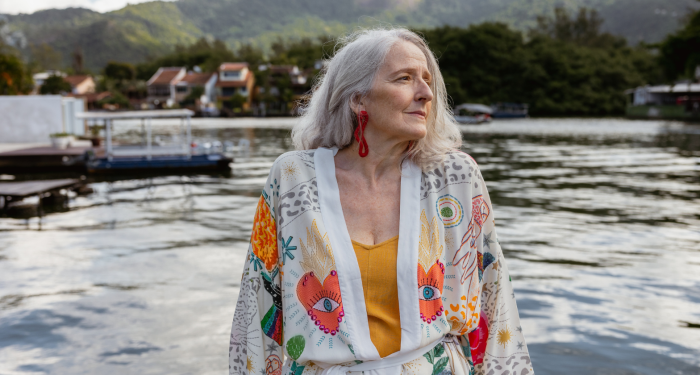
Some people don’t just reach their 70s. They thrive there. It’s usually because they live by a few quiet habits that keep life expansive, purposeful, and joyful. Here are seven of those unspoken rules.
If you spend enough time around people who are genuinely thriving in their 70s, you start to notice that they move through the world differently.
They’re not frantic. They’re not bitter. They’re not weighed down by the past or terrified of the future.
What stands out most is the calm confidence they carry. A kind of groundedness that comes from decades of living, messing up, learning, and recalibrating.
These people aren’t lucky in the way we usually use the word. They didn’t stumble into vitality. They created it through a specific way of approaching life, one that most of us only understand once we’re deep into adulthood.
But here’s the twist. You can spot these same habits in younger people who seem wise beyond their years. It’s almost as if thriving later in life isn’t about age at all. It’s about rhythm, choices, and mindset.
What I’ve noticed again and again is that people aging well follow rules that they never announce. They don’t preach them. They don’t write them down. They don’t even talk about them unless you ask directly.
Yet these rules shape everything.
Their relationships.
Their health.
Their sense of purpose.
Their emotional stability.
And even the way they wake up in the morning.
When I started paying attention, I realized these patterns weren’t random. They were deeply intentional, even if the people living them didn’t always realize it.
They built their lives around these unspoken rules because they discovered, slowly and through experience, that life becomes heavier when you ignore them and lighter when you honor them.
So if you’ve ever wondered what it takes not just to reach your 70s, but to thrive there, these seven rules show you exactly what’s going on behind the scenes.
Here they are.
1) They protect their energy like it’s currency
The older adults who feel vibrant at 70 don’t give their energy away carelessly. They treat it as something valuable, something that deserves protection.
They don’t argue with people committed to misunderstanding them.
They don’t carry old anger into new situations. And they don’t let every inconvenience become a source of stress.
A friend’s grandfather once told me, “You don’t lose your spark because you age. You lose it because you spend it on the wrong things.”
That sentence has shaped how I think about emotional energy more than any productivity book ever has.
Thriving older adults pay attention to how things make them feel. If something consistently drains them, they reevaluate it.
If someone constantly pulls them into drama, they step back. If an activity leaves them depleted instead of fulfilled, they adjust.
They aren’t cold. They aren’t detached. They’re simply clear about what they will and won’t allow into their world.
They understand that energy is life. And they’re not willing to waste the life they have left.
2) They keep moving, even when they don’t feel like it
Movement is one of the most predictable markers of long-term well-being. The people thriving in their 70s don’t treat it as optional.
They don’t treat it as a chore either. They treat it as something their future self will thank them for.
Years ago, while staying in a small guesthouse in Kyoto, I met a 74-year-old man who practiced tai chi every morning in the courtyard.
When I asked why he was so consistent, he said, “My body is like a garden. I pull weeds every day so nothing grows wild.”
I’ve never heard a better explanation of preventive care.
Thriving older adults walk regularly. They stretch. They garden. They do yoga. They lift light weights. They swim or cycle or move their bodies in whatever way feels doable.
They don’t wait for motivation. They rely on routine.
This consistency keeps them mobile, independent, mentally clear, and emotionally steady.
3) They stay curious instead of cynical
Some people age into rigidity. Everything new becomes suspicious. Anything unfamiliar feels like a threat. But the people who age well hold on to curiosity.
They ask questions. They learn new skills. They explore new ideas. They try foods they never ate growing up. They don’t assume they’ve seen everything life has to offer.
Curiosity keeps the world big.
It keeps the mind flexible.
It helps the heart stay open.
Thriving older adults don’t see change as a sign that things are getting worse. They see it as evidence that life is still unfolding. That there is still something to discover.
And that attitude alone keeps them mentally young.
4) They choose connection over isolation

People thriving in their 70s understand that connection is a form of medicine.
They don’t rely on random social interactions to keep them emotionally nourished. They maintain them intentionally.
They call their friends. They check in on neighbors. They make plans with family members.
They stay active in community groups, hobby circles, or volunteer roles.
Even the introverts among them understand that connection is essential. Not constant socializing, but meaningful contact.
A psychologist once told me that loneliness increases the risk of early mortality nearly as much as smoking.
When I started paying attention to older people who age well, I realized they intuitively know this.
They make connection part of their life rhythm.
Not because they need constant company, but because they understand that being intertwined with others keeps them grounded.
Connection keeps their hearts warm and their minds sharp.
5) They let go faster than most people
People thriving in their 70s have learned the art of letting go. They’ve lived long enough to know that holding on to tension only creates more tension.
They let go of resentment.
They let go of perfectionism.
They let go of the need to always be right.
They let go of disappointment faster than others.
And they let go of trying to control everything.
A woman in her late 70s once told me, “Your happiness depends on how lightly you can hold life.”
At the time it sounded poetic. Years later it feels like one of the truest things I’ve ever heard.
Thriving older adults don’t cling to things that weigh them down. They focus more on peace than on winning. More on acceptance than on resistance.
Letting go doesn’t mean giving up. It means choosing what deserves your emotional strength.
6) They keep a sense of purpose alive
Purpose is not tied to age. It’s tied to meaning. And the people who thrive in their 70s always have something meaningful pulling them forward.
Some volunteer. Some mentor younger people. Some paint or write or sculpt. Some grow gardens with incredible dedication. Some care for animals, neighbors, or community spaces.
As a vegan who spends time photographing community gardens, I’ve met several older gardeners who radiate a calm, grounded joy.
Their garden gives them purpose. Their routine gives their days a rhythm. Their passion gives their life texture.
Purpose doesn’t need to be grand. It just needs to matter.
And when it matters, it keeps people alive on the inside.
7) They make joy part of their daily life
People thriving in their 70s don’t wait for joy. They create it. They make room for it. They allow it.
They laugh easily. They savor small rituals. They enjoy hobbies without worrying whether they’re good at them.
Years ago, while traveling through Lisbon, I met a couple in their 70s who hosted dinners every week.
Their home was always full of conversation, music, and warmth.
When I asked how they kept so much energy, the wife said, “We invite joy in. Most people keep joy outside and wonder why it never visits.”
I think about that often.
Thriving older adults don’t treat joy like a luxury. They treat it like part of a balanced life. They find small pleasures that make everyday life feel rich.
A quick wrap-up
Thriving in your 70s is not about avoiding hardship. It’s about choosing habits that keep your mind open, your heart light, your body moving, and your life meaningful.
The best part is that none of these rules require age to apply them.
You can start practicing them now.
And your future 70-year-old self will be so grateful you did.
If You Were a Healing Herb, Which Would You Be?
Each herb holds a unique kind of magic — soothing, awakening, grounding, or clarifying.
This 9-question quiz reveals the healing plant that mirrors your energy right now and what it says about your natural rhythm.
✨ Instant results. Deeply insightful.

Jordan Cooper
Jordan Cooper is a pop-culture writer and vegan-snack reviewer with roots in music blogging. Known for approachable, insightful prose, Jordan connects modern trends—from K-pop choreography to kombucha fermentation—with thoughtful food commentary. In his downtime, he enjoys photography, experimenting with fermentation recipes, and discovering new indie music playlists.
More Articles by Jordan