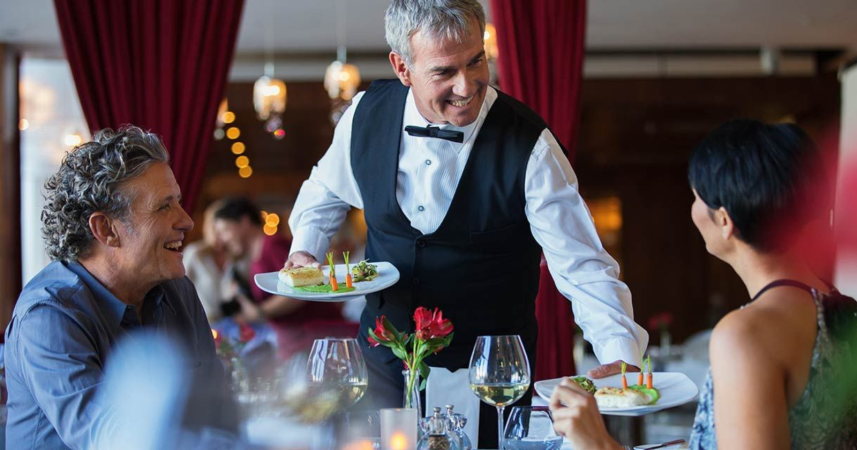
Servers read tables within seconds. Small behaviors signal whether a group needs space, extra help, or close attention. These eight habits are the first things they notice.
Eating out is funny because you think you’re just there to relax.
But the second you sit down, your table starts broadcasting signals.
Not on purpose. Not in a “we’re trying to be difficult” kind of way.
More like body language, timing, and tiny decisions that tell a server, within about 30 seconds, exactly how much attention you want and how much attention you’re going to need.
And here’s the twist: Most of these signals have nothing to do with being “a good customer.” They’re just cues.
If you’ve ever wondered why one table gets perfectly timed check-ins while another feels ignored or hovered over, this is usually why.
1) How quickly you acknowledge them
This one happens instantly.
When a server walks up, do you look up and make eye contact? Do you give a quick “hey” or “one sec”?
Or do you keep talking like they’re invisible?
You don’t need to snap into attention like you’re in a meeting. But servers read the room fast.
If your table doesn’t acknowledge them, it often signals one of two things: You want minimal interaction, or you’re going to be hard to pin down all night.
If they can’t get a simple “hi” in, they’ll often switch to efficient mode. They’ll check in less, keep things moving, and prioritize tables that are easier to communicate with.
Quick fix: If you’re mid-conversation, smile and say, “Hey, give us one minute.” That tiny sentence buys you calmer service for the rest of the meal.
2) Where your eyes go when they speak
People think listening is about being quiet.
In restaurants, it’s also about where you’re looking.
If your eyes are glued to the menu while the server asks a question, it signals you’re not ready. If you’re scanning the room, it signals distraction. If you’re looking at your phone, it can signal disinterest, even if that’s not what you mean.
Servers respond to that. They might speed through their spiel. They might skip helpful suggestions. They might avoid longer explanations because it feels like you’re not open to it.
You don’t have to perform. Just aim your eyes at the person talking for a beat. It says: We’re present, we’re easy to serve.
3) How you handle the first round of questions
The opening questions are a mini diagnostic test.
- “Still deciding?”
- “Can I start you with something to drink?”
- “Any allergies?”
- “Do you have questions?”
Your answers tell the server how to pace the whole meal.
If everyone answers clearly, your table gets treated like a smooth-flow table. Orders land quickly. Check-ins are timed well. The server feels safe leaving you alone for longer stretches.
If the answers are messy, like three people talking at once, someone asking for a recommendation, someone not ready, and someone interrupting with side requests, your table gets tagged as higher attention.
Not in a judgmental way. In a planning way.
There’s nothing wrong with asking questions. I do it often, especially when vegan options aren’t clear. But it helps to be intentional.
Try: “We’ve got a couple questions, but we’re excited. Can we do drinks first, then order in a few?” That tells them you’re engaged, not chaotic.
4) Whether you’re ready when they return
This is the classic scenario.
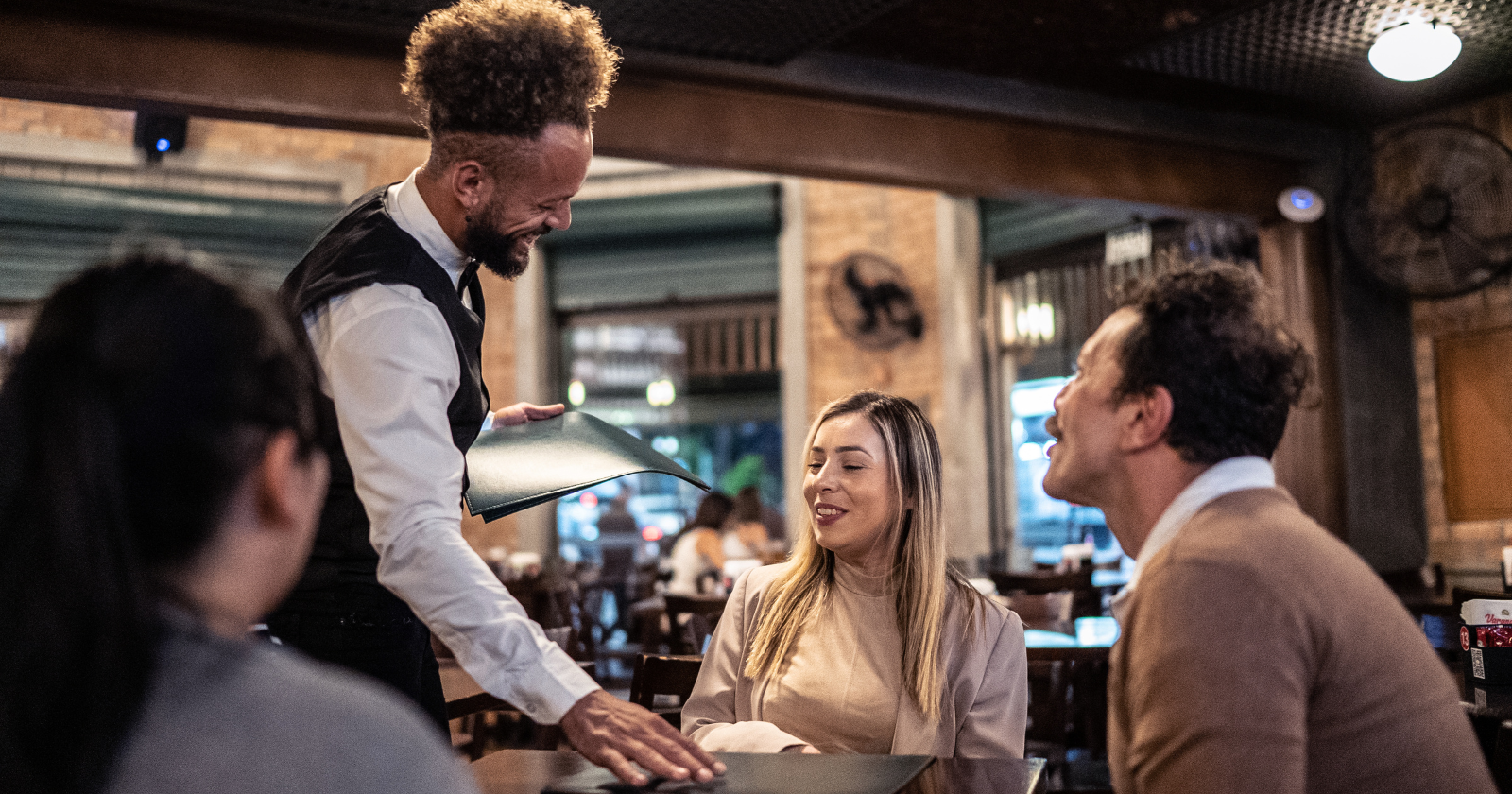
The server says, “I’ll give you a few minutes,” then comes back and you’re still in the same spot. Menus open. Half the table hasn’t looked up.
That signals one thing: Your timing is unpredictable.
The server has to choose between hovering more, which can annoy you, or checking in less, which can make you feel ignored.
If you want service that feels magically well-timed, you have to meet them halfway.
One practical move is to have someone at the table give quick status updates. Not a boss. Just someone who can say, “Two more minutes,” or “We’re ready for drinks but still deciding on food.”
It prevents that weird loop where the server appears only when you’re not ready, and disappears when you are.
5) How you place your stuff on the table
This feels small, but it matters a lot.
Phones, keys, sunglasses, bags, water bottles, jackets, kids’ toys. When all of that spreads across the table, it creates a physical barrier to service.
Servers notice instantly because it affects everything:
- Where can plates land?
- Can they reach the center?
- Will they have to ask you to move things?
- Is this a careful navigation table?
If it’s crowded, they’ll often drop plates at the edges, avoid clearing as often, and do fewer check-ins because every interaction becomes slightly harder.
If you want smoother service, keep the center of the table clear. Protect the landing zone.
And if you’re out with a group, be the person who casually stacks menus and shifts clutter aside. You’ll look organized and you’ll get better pacing.
6) Your vibe when something goes wrong
This is the moment that tells a server what kind of attention you’ll need.
Because something almost always goes slightly wrong. A drink is delayed. A side is missing. The kitchen is slammed. A dish isn’t what you expected.
How you react sets the tone.
Some tables get tense instantly. Tight smiles. Passive-aggressive “it’s fine.” Short answers.
Other tables stay calm and clear: “Hey, I think we’re missing the fries. No rush, just wanted to flag it.”
Guess which table gets better care afterward?
Servers have limited bandwidth. If you signal that you’ll punish them emotionally for normal restaurant chaos, they’ll get cautious. They’ll check in more, but it won’t feel warm. It’ll feel like risk management.
If you signal you’re reasonable, they’ll often go above and beyond because it feels safe to take care of you.
My rule is simple: Be direct, be kind, be specific.
7) How you ask for modifications
As a vegan, I live in modification land.
Servers can usually tell immediately whether your modifications will be smooth or stressful.
It’s not about how many changes you make. It’s about how clearly you make them.
Compare these two approaches:
A) “Can you make it vegan? Also no cheese. But also switch the sauce. And what’s in the bun? Actually, can you tell me what’s in everything?”
B) “Quick question. Can this be made vegan if we remove the cheese and swap the aioli for salsa? If not, what’s the easiest vegan option?”
The second one gives the server a clear path.
When you’re scattered, the server has to drag the request across the finish line for you. That takes time and mental effort, so they’ll often check in more to confirm details.
If you’re clear, you get calm service and fewer mistakes.
A good trick: Lead with the why in one word. “Vegan.” “Allergic.” “No spice.” Then make one clean request at a time.
8) The way you signal you’re done
This one affects the last third of your meal.
Servers are constantly scanning for cues that a table is finished with a course.
Are plates pushed forward? Are forks resting on the plate? Are people leaning back? Is the conversation shifting from eating to chatting?
If your table gives no signals, you might sit with empty plates for a while. Not because the server forgot you, but because they’re trying not to interrupt. Especially if you look deep in conversation.
If you stack plates aggressively, wave them down, and put cards on the table early, you’re signaling you want a faster exit.
Neither is wrong. But your signals should match your preference.
If you want more attention, make it easy. Place your glass near the edge when it’s empty. Close the menu when you’re done. Look up when they pass.
If you want less attention, stay relaxed and don’t be surprised if the server gives you space. That’s what you signaled.
The bottom line
Servers aren’t mind readers.
They’re pattern readers.
Your table’s behavior tells them whether you want hands-on guidance, quick efficiency, or quiet minimal interaction. And once they pick up a pattern, they usually stick to it.
Next time you go out, ask yourself: What am I broadcasting right now?
Because your best restaurant experience usually isn’t about getting more service.
It’s about getting the right kind.
What’s Your Plant-Powered Archetype?
Ever wonder what your everyday habits say about your deeper purpose—and how they ripple out to impact the planet?
This 90-second quiz reveals the plant-powered role you’re here to play, and the tiny shift that makes it even more powerful.
12 fun questions. Instant results. Surprisingly accurate.