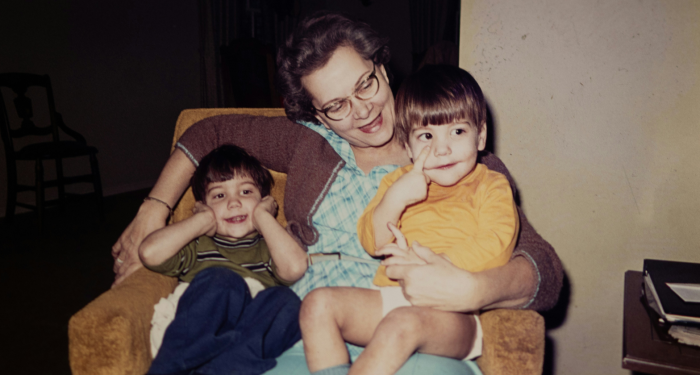
Boomers followed a quiet code of respect built on simple habits like acknowledging people, listening fully, and showing up on time. These small gestures created a more considerate way of moving through the world that younger generations rarely encounter today.

Add VegOut to your Google News feed. 
Every generation inherits a different version of what respect is supposed to look like.
Boomers grew up with a version that was subtle, quiet, and so baked into daily life that most younger people never even realized it existed.
I started noticing this contrast in my twenties, back when I was working in luxury F&B and dealing with guests from every age group imaginable.
Boomers interacted with staff, with each other, and even with strangers in ways that felt almost ritualistic compared to the more casual, fast moving habits of the younger generations.
None of these old school rules were written anywhere. They weren’t taught in a class or printed on a poster.
They were passed down through behavior, through community norms, and through a world where interactions happened face to face instead of through screens.
Some of these rules might feel outdated now. Some of them might feel refreshing.
But they all tell a story about a time when social grace was less about being impressive and more about being considerate.
Let’s take a look at the big seven.
1) They always acknowledged people in the room
One thing about boomers is that they rarely walked into a room without acknowledging it.
Whether it was a restaurant, someone’s home, or a waiting room at the dentist, there was always some kind of greeting, a nod, or at the very least eye contact.
During my hospitality days, I watched this play out constantly.
Boomer guests would greet the host, smile at the bartender, and thank the busser for pouring water even before the meal began.
Meanwhile many younger guests would walk straight to their table without lifting their gaze from their phones, earbuds still in, half present at best.
It’s not that one group is kinder. It’s that one group was raised with the belief that acknowledging people is the baseline of respect.
Boomers grew up in communities where a simple hello meant you recognized another person’s humanity, even if you would never see them again.
It wasn’t about friendliness as much as it was about presence. You walk into a room, you notice the people in it.
It was a small gesture, but it set the tone for everything that followed.
2) They didn’t interrupt people mid-sentence
Boomers grew up in a slower conversational world. You didn’t jump in the moment you had a thought.
You didn’t cut someone off because you were excited or disagreed. You listened all the way to the end, then you spoke.
Stephen Covey’s line comes to mind: “Most people do not listen with the intent to understand. They listen with the intent to reply.”
Boomers were raised closer to the first part of that quote, while many younger people default to the second.
When I explained a dish or wine pairing to older guests, they let me finish every time. They waited, processed, and then asked questions.
Younger diners often interrupted halfway through to ask something I would have clarified if they’d just waited ten seconds.
Interrupting wasn’t just considered rude to boomers, it was seen as a sign of immaturity or lack of emotional discipline.
They believed you show respect by giving someone the space to complete a thought, even if you already know where it’s going.
It makes conversations feel slower, but it also makes them feel more generous.
3) They respected personal space without needing it explained
Boomers lived most of their lives without phones buzzing, screens flashing, or notifications demanding constant attention.
Their idea of personal space wasn’t just physical, it was mental and emotional too.
They didn’t hover behind people in line. They didn’t blast music in quiet spaces. They didn’t assume they had access to you at all times.
Giving people space wasn’t something they thought about, it was something they automatically did.
Whenever I fly, I see this generational contrast clearly. Boomers board quietly, give a quick polite nod to their seatmate, then settle in to read or rest.
Many younger passengers FaceTime, take calls, record content, or watch videos without headphones, totally unaware of how intrusive it can feel to the people around them.
Boomers believed that respecting someone meant giving them room to exist comfortably. It wasn’t about rules. It was about awareness.
In a strange way, their restraint created a shared sense of peace that feels rare now.
4) They apologized readily and without ego

Boomers often apologized for small things, and not because they felt guilty or insecure. They apologized because it made social interactions run smoothly.
Sorry, didn’t mean to bump you.
Sorry, let me move.
Sorry, go ahead.
These weren’t grand gestures. They were micro-adjustments that showed awareness of other people.
When I worked with boomer guests, they apologized often and with sincerity. It wasn’t defensive or self-deprecating. It was simply considerate.
A lot of younger people avoid apologizing because they’re afraid of looking weak or overly accommodating.
Self help culture teaches them to “protect their energy” or “never say sorry for being yourself.” There’s truth in that, but it can also go too far.
Boomers apologized because they believed respect meant owning your impact. Even small moments mattered. It wasn’t moralizing, it was just polite.
And honestly, people who can apologize without drama are easier to work with, easier to live with, and easier to trust.
5) They treated service workers with dignity
This is one boomers generally excelled at, especially those who grew up working part time jobs in diners, grocery stores, or retail.
They understood early that service work is real work, and that the people doing it deserve respect.
In restaurants, boomer guests consistently treated staff with warmth and politeness. They said thank you often. They tipped predictably.
They didn’t treat the experience like a vending machine where you press a button and get what you want instantly.
I’ll never forget the boomer woman who handed our kitchen a handwritten thank you card after her meal. Not a review. Not a post.
A physical card she kept in her purse because she believed gratitude should be expressed directly.
Compare that to the group of college-aged diners who spent half their meal recording TikToks and then complained that their chicken tasted “too chicken-y.”
The staff had to smile through it, but the difference was obvious. One group saw people. The other saw a transaction.
Boomers generally operated on the belief that respect flows downward just as much as upward.
If someone is doing something for you, treat them with dignity. Simple as that.
6) They showed up on time without expecting flexibility
Punctuality used to be one of the core signs of respect. If you agreed to be somewhere at 3, you arrived at 2:57. Not 3:10 with a “running late” text. Not 3:30 with an apology and an excuse.
Being late once was forgivable. Being late regularly was unacceptable.
Boomers were raised in a world with fewer moving parts. No smartphones, no real time updates, no culture of casual rescheduling.
If you said you’d be somewhere, you meant it. And if someone was waiting on you, you showed up.
Today everything is fluid. Plans shift. Delays happen. Remote work has changed the concept of time entirely.
Gen Z grew up with the ability to adjust anything at the last minute, and punctuality became more of a suggestion than a rule.
But to boomers, being late sends a deeper message.
It implies your time matters more than the other person’s. It signals a lack of consideration, not just a lack of planning.
Studies even show that people who value punctuality tend to feel calmer and more in control of their schedules.
Boomers might not have known that research, but they lived it every day.
7) They didn’t make everything about themselves
Boomers were raised with sayings like “don’t make a scene” and “keep that to yourself.”
They grew up in a culture that valued privacy, modesty, and a kind of invisible humility that feels almost foreign now.
Today we share everything. Thoughts, feelings, opinions, struggles, triumphs.
Public expression is normal. Oversharing is common. Self narration is part of everyday life.
There are huge upsides to that. Vulnerability is healthy. Authenticity builds connection.
But boomers believed that respect sometimes meant stepping back, not stepping forward. You didn’t steal someone’s moment.
You didn’t dominate the conversation. You didn’t turn every story into a story about you.
It wasn’t about suppression. It was about awareness. They valued attention as something you earned, not something you assumed.
When someone else spoke, you gave them the floor. When someone else had news, you celebrated them without adding your own anecdote.
And since this is the final point, here’s the part boomers understood deeply. Respect isn’t always loud. Often it’s expressed through restraint.
The bottom line
Boomers weren’t perfect, and they had their own blind spots. Every generation does.
But their unspoken rules of respect created a certain social smoothness that feels rare today, especially in a world where everything is faster, louder, and more individualistic.
Some of their habits feel outdated now, but many of them still hold up. Acknowledging people. Listening fully. Showing up on time.
Treating service workers with dignity. Apologizing when necessary. Offering space instead of assuming access.
These aren’t old fashioned values. They’re human values.
In the end, respect is one of the few things that never goes out of style.
And borrowing a few habits from the generation before us might make our interactions a little kinder, a little calmer, and a lot more intentional.
If you ever try bringing one of these rules back into your daily routine, you might be surprised at how differently people respond.
And more importantly, how differently you feel moving through the world.
What’s Your Plant-Powered Archetype?
Ever wonder what your everyday habits say about your deeper purpose—and how they ripple out to impact the planet?
This 90-second quiz reveals the plant-powered role you’re here to play, and the tiny shift that makes it even more powerful.
12 fun questions. Instant results. Surprisingly accurate.