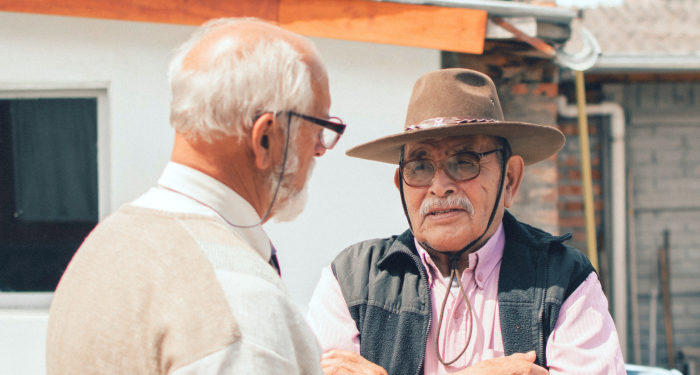
We don’t need to romanticize the 1970s to admit something basic: Neighborhoods used to feel more connected, because people acted like they were connected.
Something got weird in the last couple of decades.
We live closer together than ever, yet many of us couldn’t pick our next-door neighbor out of a lineup.
We share walls, elevators, parking spaces, even WiFi signals, but not much else.
I keep wondering: when did “community” become something we stream, instead of something we build?
The 1970s weren’t perfect, obviously, but there were a few everyday habits that made neighborhoods feel warmer, safer, and more human.
The good news is we just need to act like we still live on the same street:
1) Porch hellos
The front porch used to be a social technology.
People sat outside, waved, made eye contact, and existed in public without needing an “event” as an excuse.
Now we do the opposite: We slip from car to door like we’re in a spy movie.
Hood up, earbuds in, eyes down, then we wonder why we feel isolated.
Here’s the psychology piece: Familiarity breeds comfort.
Researchers call it the mere exposure effect.
The more we see someone, the more our brain relaxes around them, even if we never talk much.
A simple porch hello is a trust deposit.
If you want a low-pressure way to start, try this: Stand outside for two minutes a day.
Water a plant, check the mail slowly, step out with your coffee, and give people the chance to recognize you as a friendly constant, not a mystery silhouette.
You don’t need a porch, by the way.
A stoop, a hallway, the sidewalk by your building works.
The goal is simple: Be seen being human.
2) Borrowed cups of sugar
There’s a reason “Can I borrow some sugar?” became a cultural cliché.
It was about permission.
Borrowing something small creates a tiny bridge between two lives.
It says, “I trust you,” and it invites the other person to trust you back.
That matters because community is basically a chain of micro-trust moments stacked over time.
In the 1970s, neighbors borrowed eggs, flour, a phone, jumper cables, a lawnmower, a ladder.
Today, we’d rather place a same-day delivery order than knock on a door but convenience has a hidden cost.
Every time we avoid a human interaction, we avoid the awkwardness, sure, and we also avoid the connection.
If you’re thinking, “I don’t want to bother anyone,” I get it.
A lot of us were trained to be maximally self-contained, but most people like being useful.
It gives them a quick hit of purpose.
Start ridiculously small: Ask for a pinch of salt, a roll of tape, a lighter, a phone charger, or something that returns quickly.
Then return it fast, and say thank you like you mean it.
That’s how you rebuild a neighborhood, one tiny favor at a time.
3) Tool lending
This one is a cheat code because it solves two modern problems at once: loneliness and clutter.
The 1970s had more sharing by default in a practical way.
Why would every house own a specialized tool that gets used twice a year?
Now we all have garages and closets full of “just in case” stuff.
Half of it is collecting dust.
The other half is silently stressing us out because we know we should organize it.
I’ve mentioned this before but owning everything isn’t the same as being secure.
Real security is knowing you can rely on people.
Tool lending is beautiful because it’s concrete.
It’s a reason to talk that doesn’t require emotional intimacy on day one.
If you want to make this easy, here’s a simple move: the next time you buy a tool, buy one that’s “shareable.”
Something you’d happily lend without hovering.
Then, when you see a neighbor doing a project, offer it just as a normal thing neighbors do.
You’ll be surprised how quickly that turns into, “Oh, I’ve got something you can use too.”
4) Potluck dinners
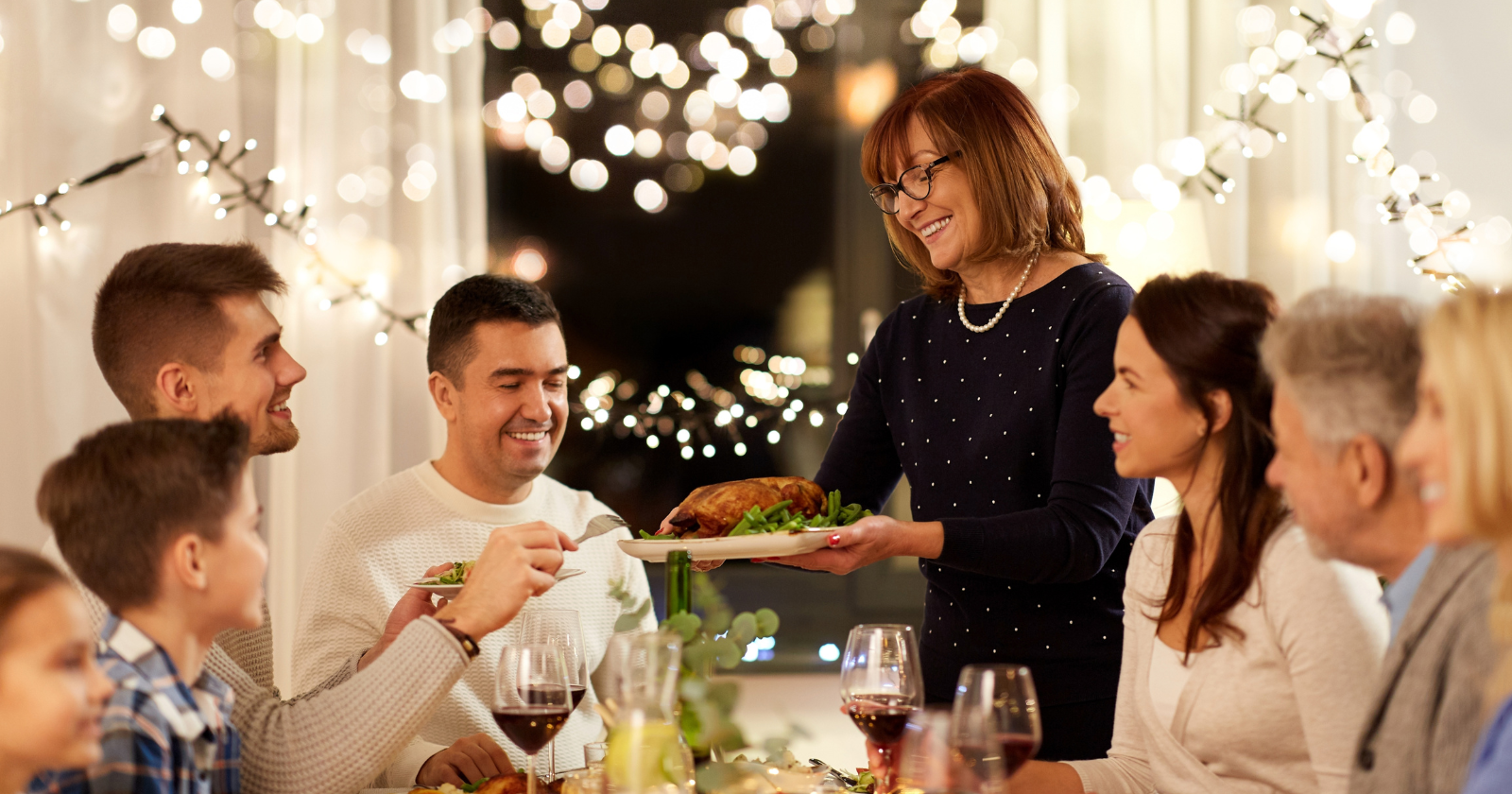
Potlucks were basically the social network of the 1970s.
You needed a folding table, some paper plates, and whatever you could bring.
The magic was the low-stakes togetherness.
A potluck is psychologically smart because it spreads the load.
Nobody has to host like they’re running a restaurant.
Everyone contributes, so everyone belongs.
Also, there’s something about sharing food that dissolves social walls faster than conversation alone.
Eating together is one of the oldest bonding rituals we have.
It tells your nervous system, “We’re safe here.”
As a vegan, I’ll add a practical tip: Potlucks are also a great way to normalize different diets without turning it into a debate.
I’ve brought a big tray of something comforting, like roasted veggie tacos or a hearty pasta salad, and watched people go back for seconds without even asking what’s in it.
The move is “include” everyone.
If you’re worried your neighbors aren’t into it, make it absurdly casual.
More like, “A few of us are eating outside on Sunday around 5. If you feel like bringing anything, cool but, if not, still come by.”
That’s the 1970s spirit: Show up as you are.
5) Drop-in chats
Back then, people actually dropped by for a quick check-in, or a “How you doing? We made too much soup. Would you like some?”
Today, everything requires scheduling and three calendar invites.
The downside is obvious: Spontaneity dies, and with it, a certain kind of warmth.
Boundaries are good as people have different energy levels and work schedules, but we can revive the essence of it: Casual contact that isn’t performance.
A modern version could be a “doorway chat.”
You’re already outside, you see someone, and you talk for a minute.
“Hey, we’re walking to the corner store, want anything?” or “We’re sitting outside for a bit if you want to say hi.”
Here’s why this matters: Most adult friendships die from friction.
It’s too hard to coordinate, too much effort, and too many steps.
Drop-in energy lowers the steps as it makes connection the default.
6) Errand tag-teams
In the 1970s, neighbors shared rides, shared errands, shared small missions.
Someone was going to the hardware store, so they’d pick up something for you; someone was heading to the post office, so they’d take your letters.
It sounds minor, but it creates a powerful loop: Cooperation becomes normal.
When you repeatedly help each other with small, boring life stuff, something big happens in your brain.
Your world feels less threatening, your day feels less heavy, and you stop feeling like you’re doing everything alone.
Honestly, in 2026, that feeling is priceless.
This gesture also plays nicely with sustainability, which I care about a lot.
Fewer separate car trips, more shared movement, and less waste and more connection.
Try it once a week and pick one recurring errand and casually mention it, like “I’m going to Trader Joe’s tomorrow afternoon. Need anything?” or “I’m doing a package drop on Friday. Want me to take yours?”
Even if nobody takes you up on it the first time, you’re sending a signal: I’m a cooperative person, I live here, and I’m on your team.
That signal changes the whole vibe of a street.
7) Kids outside, adults watching
This one is complicated, but it’s worth talking about.
In the 1970s, kids played outside more, and neighbors collectively kept an eye out in a communal way.
The street itself acted like a loose safety net.
Now kids are inside more, and adults are more isolated.
Some of that is because the world changed, and some of it is because our fear systems got hijacked by a constant stream of worst-case headlines.
But here’s a truth we avoid: A neighborhood becomes safer when people know each other.
The 1970s version of this gesture was simple as adults were visible.
They noticed things, said hello to kids by name, and knew which families belonged on the block.
The modern version can be just as simple, and way more respectful than you might think.
Walk your street regularly and learn names; if you see a kid fall off a scooter, ask if they’re okay.
This is about presence.
When good people are present, the whole environment softens.
Kids, adults, and everyone else benefits from that.
The bottom line
We don’t need to romanticize the 1970s to admit something basic: Neighborhoods used to feel more connected, because people acted like they were connected.
Here’s the question I’m leaving you with: What’s the smallest neighborly move you can make this week that your future self will thank you for?
Pick one, and try it once.
That’s how “community” stops being a buzzword and starts being your actual life again!
What’s Your Plant-Powered Archetype?
Ever wonder what your everyday habits say about your deeper purpose—and how they ripple out to impact the planet?
This 90-second quiz reveals the plant-powered role you’re here to play, and the tiny shift that makes it even more powerful.
12 fun questions. Instant results. Surprisingly accurate.