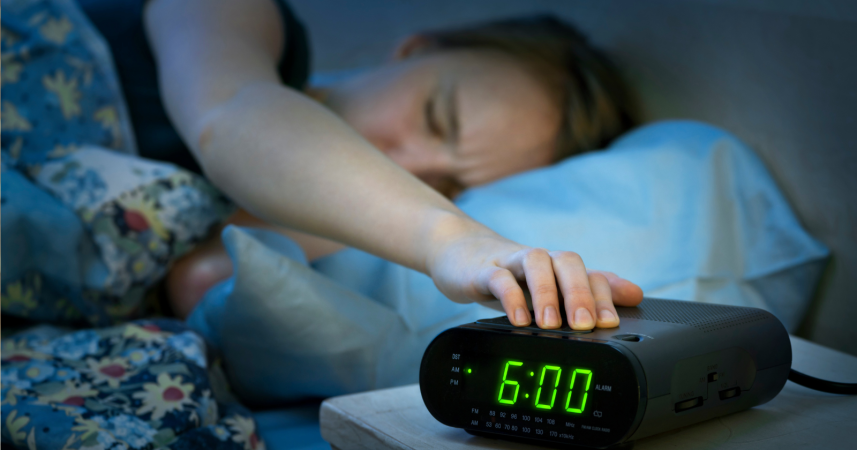
That small button on your alarm clock may reveal more about your personality than you realize.
There’s something oddly universal about that tiny button on our phones or alarm clocks. You know the one. The snooze button.
It’s the nine-minute grace period that feels like heaven at 6:30 a.m., even though we know it won’t actually make us feel any less tired.
For some, snoozing is a rare indulgence. For others, it’s an almost daily ritual, woven into the way mornings start. If you’re in the second camp, you might wonder if it says something deeper about your personality. And honestly—it often does.
The truth is, the snooze button isn’t just about needing more sleep. People who tend to rely on it often share certain traits, mindsets, and habits that ripple out into the rest of their lives.
Here are seven of the most common ones.
1. They’re night owls at heart
If you find yourself smashing snooze more mornings than not, chances are you have a natural tendency to stay up late.
Night owls often feel most creative and alert after the sun goes down, which means mornings feel extra brutal.
Research backs this up. According to chronobiology studies, people have different biological “chronotypes”—basically, internal clocks. Night owls struggle against early schedules because their bodies simply aren’t wired to wake up with the sunrise.
If this sounds like you, hitting snooze isn’t laziness—it’s biology catching up with your alarm clock. And while you can adjust your habits a bit, there’s something freeing in knowing your sleep patterns aren’t a personal failing, but a reflection of your natural rhythm.
2. They’re comfort seekers
Have you ever noticed how good it feels to burrow back under the covers when the alarm goes off?
For chronic snoozers, that cozy cocoon isn’t just about avoiding the day—it’s about savoring comfort for a few minutes longer.
I remember one winter when I lived in an old, drafty apartment. The heating was questionable at best, and mornings were painfully cold. Every time the alarm rang, I’d hit snooze just to curl deeper under my blankets, bargaining with myself for “just a little longer.”
It wasn’t just procrastination—it was a small act of clinging to warmth before braving the chill.
Comfort-seeking might sound indulgent, but it also points to a personality that values softness and ease. People like this often bring a sense of gentleness into their relationships and daily lives. They know the power of slowing down, even if it makes mornings tricky.
3. They’re often procrastinators
Let’s be honest: snoozing is basically procrastinating the day.
You know what’s coming—work, school, responsibilities—and you’re pressing pause on facing them. People who lean on snooze often share this broader tendency to put things off when they feel overwhelming.
Psychologist Dr. Piers Steel, who wrote The Procrastination Equation, explains that procrastination isn’t about poor time management. It’s usually about avoiding discomfort.
That same principle applies to waking up. Snoozers delay because starting the day feels heavy, and postponing gives short-term relief.
Of course, procrastinators are also often dreamers. They have big ideas and creative energy, but sometimes struggle to channel it on schedule.
If you see yourself here, it doesn’t mean you lack ambition—it means your motivation thrives on different cycles, and that awareness is the first step to making mornings smoother.
4. They value freedom over rigid structure
Here’s a question: do you resist routines that feel too strict? If you’re a habitual snoozer, chances are you like keeping some flexibility, even in the smallest ways.
Snoozing gives you the illusion of bending the rules—a way of saying, “I’ll get up, but on my terms.”
This trait often extends beyond mornings. People who hit snooze regularly tend to resist being boxed in. They prefer having options, breathing room, and freedom to adapt as they go. Structure has its place, but too much of it can feel suffocating.
The upside is that this flexibility often makes you spontaneous, adaptable, and open to new experiences. You’re not so tied to the clock that you can’t go with the flow. That mindset can make life a lot more interesting.
5. They’re dream protectors
One of the more charming reasons people snooze? They’re trying to stay in dreamland just a little longer.
If you’ve ever been in the middle of a vivid dream—whether it was bizarre or beautiful—you know the pull of wanting to finish the story before reality intrudes.
I had a phase in college where I was so obsessed with my dreams that I kept a notebook by my bed. When the alarm rang, I’d hit snooze and lie back down, hoping to slip back into whatever strange adventure my brain was cooking up. Sometimes it worked, sometimes it didn’t, but I loved the possibility.
People who do this often have rich inner worlds. They might be creative, imaginative, and sensitive to the meaning behind their subconscious experiences. Snoozing, for them, is less about delay and more about protecting the fragile edges of a world they don’t want to lose too soon.
6. They struggle with sleep quality
Why do some people wake up refreshed while others feel like they’ve been run over by a truck?
One big factor is sleep quality. Many chronic snoozers aren’t actually getting the deep, restorative rest their bodies need, so mornings are a fight from the start.
The Sleep Foundation notes that poor sleep hygiene—like too much screen time before bed, irregular schedules, or stress—can disrupt the natural sleep cycle. Snoozing becomes a coping mechanism, even if those extra minutes don’t actually restore energy.
If you fall into this camp, your snoozing habit may be less about personality and more about unmet sleep needs. The good news is that small shifts—like dimming lights earlier, setting a wind-down routine, or limiting late caffeine—can make a real difference.
7. They’re optimists about “just a few more minutes”
Have you ever noticed how snoozers believe those extra minutes will make a big difference, even when they rarely do? That tiny burst of optimism—“I’ll feel better after one more snooze”—is actually a trait in itself.
Optimists tend to expect that small efforts will pay off, even if reality doesn’t always cooperate. This mindset can be both endearing and frustrating.
On one hand, it helps you see possibility where others see futility. On the other, it can lead to repeating habits that don’t serve you well.
Still, optimism is a powerful trait. Research by psychologist Martin Seligman shows that optimistic people are more resilient, less likely to give up in the face of setbacks, and often healthier overall.
So while snoozing might not cure your morning grogginess, that hopeful streak running through it can carry you far in other areas of life.
Final thoughts
The snooze button is a deceptively small choice, but it often says a lot about who we are. Whether you’re a night owl fighting biology, a comfort-seeker savoring warmth, or an optimist hoping for one last burst of energy, the habit reflects deeper patterns.
And while hitting snooze may frustrate you—or your alarm clock–weary partner—it also points to traits that can be strengths when you recognize and work with them. After all, our quirks often carry their own kind of wisdom.
So the next time you press snooze, instead of beating yourself up, pause and notice: what does this small act say about the way you move through life?