Watching 90-year-olds hike hills and laugh over lentils made me question how I was living my own life.

Add VegOut to your Google News feed. 
A few years ago, I stumbled across a documentary about “Blue Zones” -- those rare pockets in the world where people live vibrantly into their 90s and 100s.
There were women in their eighties tending gardens in Okinawa, men in Sardinia hiking steep hills like mountain goats, and entire families in Nicoya laughing over home-cooked meals. They looked alive in a way that went beyond physical health.
I was actually just killing time, but that documentary stirred something in me. I was sitting on my couch, holding a cup of lukewarm coffee, feeling simultaneously inspired and… exhausted.
I had no chronic illness, but I also didn’t feel truly well. My energy came in bursts. My sleep was patchy. My mind was full yet restless. Watching those communities made me realize I had to change a few things in my lifestyle.
So, I started borrowing their habits, not all at once, but just a little at a time. Well, seven habits later, my body feels more at peace, my days more grounded, and my joy less dependent on achievement or caffeine.
Here are the seven habits that have given my days (and my body) a lot more energy and color.
1. They move because life asks them to
First up, the people in the world’s healthiest regions rarely “exercise.” Not the kind of exercise as we know it.
They simply move. Constantly and naturally.
They walk to their neighbor’s house. They garden. They knead dough, hang laundry, and climb stairs. Movement is woven into the rhythm of living rather than compartmentalized into 30-minute or 1-hour bouts.
When I turned forty, I started waking up with a strange stiffness, as if someone had switched out my joints overnight. I’d roll my shoulders and hear a chorus of tiny clicks. My yoga mat had turned into a dust collector.
Now I walk daily, and often as a way to accomplish an errand, so it feels more purposeful. I do squats while brushing my teeth. I garden, not to grow much, but to dig, stretch, and breathe.
It’s remarkable how energy follows movement. The more I move, the more alive I feel.
2. They eat mostly from the earth
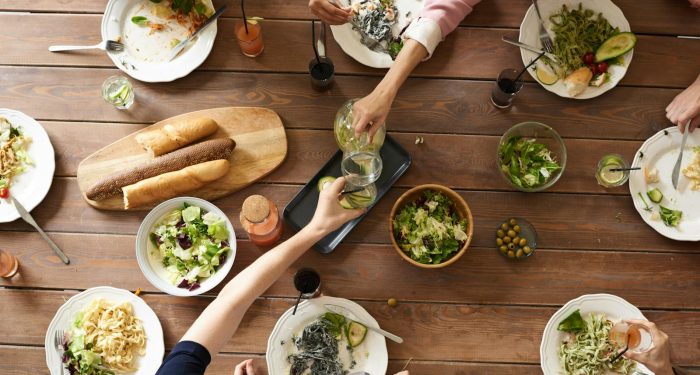
Every Blue Zone community has its own cuisine, yet all share one pattern: they eat mostly plants, beans, and whole foods from the land. Meat and sweets do appear, but as accents, not the main focus.
I admit this was a real challenge for me. I grew up in a household where “healthy” meant a small side salad next to a pile of rice and fried chicken. And my grocery cart often had a potato chip bag or two (or more!) in it.
Shifting my plate took time. I started by adding colors with veggies like tomatoes, spinach, and sweet potatoes until vegetables became the star of the meal.
I also began eating more mindfully, paying attention to texture and taste instead of rushing through dinner while scrolling on my phone.
Let me tell you, the difference is profound. Not only do I feel a difference in the way my brain works, I feel a lot more connected to my own body's wisdom as well.
3. They rest before they crash
In Ikaria, Greece (nicknamed the island where people forget to die), naps are part of daily life. People there take time to rest after lunch, chat with friends, or simply sit in silence. They move slowly when they can, honoring their natural rhythms.
My own relationship with rest used to be… complicated. I treated exhaustion like a badge of honor. If I wasn’t multitasking, I felt unproductive.
Then one afternoon, after a long day of errands and emails, I fell asleep sitting upright on the couch, holding a laundry basket. When I woke up, a sock was stuck to my cheek, and my husband looked both concerned and amused.
These days, I have a better relationship with rest. I no longer see slowing down as a waste of time. A short nap, a quiet cup of tea, or a few deep breaths between tasks...these little breaks help me recharge and actually perform better. I feel more human instead of just a machine that simply exists to work and make money.
4. They value connection as nourishment
One thing that stood out to me in these healthy communities is how interwoven people’s lives are. Meals are shared. Neighbors drop by unannounced. Elders are respected and included. Loneliness seems almost foreign.
As an introvert, connection hasn’t always come easily. I love solitude. But I do have to admit that too much of it can blur the edges of joy.
So I started creating small rituals of togetherness: Sunday dinners with friends, chats with my sister over coffee, longer conversations with the woman who sells vegetables at the market.
Health isn’t only what happens in the body. It’s also what happens between bodies -- the laughter, the shared silence, the warmth of being seen. I’ve learned that connection doesn’t drain me when it’s genuine. It refills me.
5. They keep a sense of purpose alive
In Okinawa, people have a word for this: ikigai -- a reason to get up in the morning.
For some people, it could be tending a garden. For others, it could be caring for grandchildren, or practicing a craft. Purpose gives life texture and meaning, especially as we age.
Having a sense of purpose acts like a quiet internal compass. It can guide us toward small, meaningful actions that make our days feel worthwhile. When people have something or someone to care for, they move through life with steadier energy and a clearer sense of direction.
Researchers who study long-lived communities often point to purpose as a kind of invisible nutrition. It feeds motivation, supports emotional health, and even influences longevity.
Purpose also brings resilience. Challenges feel different when they’re connected to something that matters. Whether that’s nurturing a garden, mentoring a student, or protecting a tradition, having a reason to rise each morning turns ordinary days into chapters of meaning.
Purpose doesn’t always look grand or productive. Sometimes it’s simply doing what makes your soul hum. When you honor what brings you alive, the rest of life rearranges itself around that glow.
6. They trust their bodies more than trends
The healthiest people I’ve observed seem to trust the signals of their bodies far more than expert advice. They eat when hungry, stop when full, sleep when tired, and move when restless. Their relationship with their physical selves is one of friendship, not discipline.
I once spent an entire year chasing every new wellness trend. I tried intermittent fasting, celery juice, infrared saunas, and something called “biohacking” that mostly involved expensive gadgets.
The irony was that I became more anxious, not healthier.
Listening inward changed everything. My body knows when it needs stillness or sunshine, protein or peace. It speaks through tight shoulders, fluttering stomachs, and sighs of relief. The more I listen, the clearer the messages become.
7. They laugh often and easily
In every long-lived culture, laughter runs deep. People find humor in daily life, tease one another affectionately, and take joy in the absurd. It’s a kind of medicine that costs nothing and heals everything a little faster.
True enough, my own grandmother lived to 94. She was a woman who laughed at everything; it was really easy to please her and make her happy.
These days, no matter how busy I get, I make space for it. Silly movies, spontaneous dance parties in the kitchen, and choosing to see the comedy in my own clumsiness.
A good laugh loosens whatever the day tightens. It reminds me that life, even in its messiest moments, is still worth smiling through.
Final thoughts
Health, as I’ve learned from these communities, is less a checklist and more a rhythm. It’s the way we move through ordinary moments -- with presence, curiosity, and a gentle respect for the body that carries us.
Borrowing these habits hasn’t turned me into a different person. It’s actually made me more myself, in the sense that I'm more awake, grounded, and in tune with what actually matters.
I still have off days and lazy mornings, but the difference is in how I meet them: with a little more patience, a lot more laughter, and the quiet knowing that wellbeing begins right where I am.
If You Were a Healing Herb, Which Would You Be?
Each herb holds a unique kind of magic — soothing, awakening, grounding, or clarifying.
This 9-question quiz reveals the healing plant that mirrors your energy right now and what it says about your natural rhythm.
✨ Instant results. Deeply insightful.
Roselle Umlas
As a former educator, Roselle loves exploring what makes us tick—why we think the way we do, how we connect, and what truly brings us closer to others. Through her writing, she aims to inspire reflection and spark conversations that lead to more authentic, fulfilling relationships. Outside of work, she enjoys painting, traveling, and cozy evenings with a good book.
More Articles by Roselle