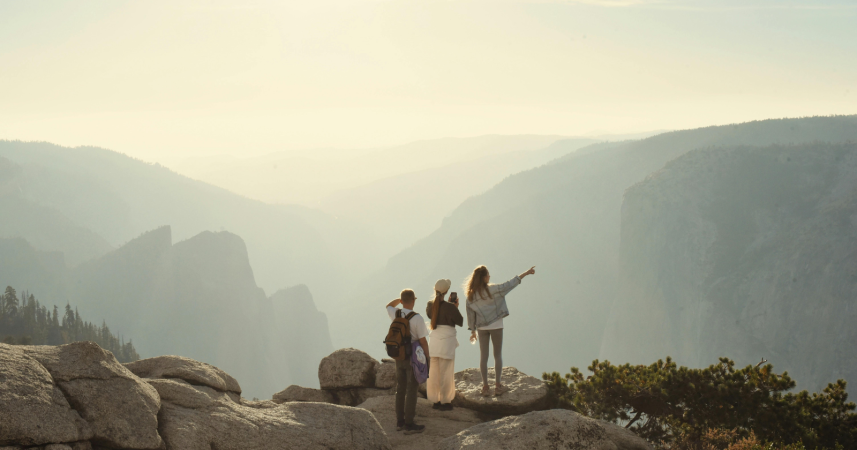
Before you overhaul your wellness routine, you might want to look at what people in the world’s longest-living communities are actually doing.
A few years ago, I tried to ferment my own ginger beer.
I had just binged a Blue Zones documentary (you know, the one with Dan Buettner exploring places where people live forever and somehow still have knee cartilage), and I was all in on the “food as medicine” vibe. So I started brewing.
Day 1: enthusiasm. Day 3: foamy chaos. Day 5: a smell that could wake the dead.
The ginger beer was undrinkable. But the idea that lifestyle—not just prescriptions—could transform health? That stuck.
Fast forward to today, and Buettner’s still the go-to guy for non-fad longevity. His research across the world’s Blue Zones—Ikaria, Okinawa, Nicoya, Loma Linda, and Sardinia—has uncovered patterns among people who live long, vibrant lives.
Not just the kind where you blow out 100 candles while barely remembering your name, but the kind where you’re still gardening, cooking, laughing, and dancing into your ninth decade.
What’s wild is that the most potent “health interventions” he found didn’t come in pill bottles. They came from ordinary, often-overlooked lifestyle habits—things that are completely within reach, no lab coat required.
So here are seven choices Buettner champions that might just be more powerful than medicine—and how they’ve played out in my own life.
1. Move naturally
No gym memberships. No CrossFit. No $200 leggings required.
In the Blue Zones, people don’t exercise—they just move. Regularly. Organically. They garden, walk, climb hills to visit friends, knead dough by hand. Movement is woven into the fabric of their daily routines.
After watching the series, I made a simple switch: I stopped treating movement like a separate event and started baking it into everything.
I started walking to my corner grocery. I took phone calls standing up. I even started washing dishes with a tiny bounce in my knees, like I was prepping for a backup dancer audition.
The impact? My body felt more limber, my mind less foggy—and all without forcing myself into a “workout” mindset. Turns out, sneaky motion is motion that sticks.
2. Eat mostly plants
Buettner’s findings are clear: the longest-living populations aren’t hardcore vegans, but they do eat 90–95% plant-based diets.
Beans, greens, whole grains, and nuts form the backbone of their meals. Meat is rare and used more like a sidekick than a star.
I grew up thinking health food had to taste like cardboard. But after experimenting with lentil stews, marinated tofu, and roasted vegetables with actual seasoning (game-changer), I started looking forward to my meals.
Plus, there’s science behind it. Studies show that people who ate more plant protein had lower risks of death from all causes, especially heart disease.
And let’s be real: nobody’s ever said “wow, that kale salad just wrecked my liver.”
3. Drink wine at 5 (but not too much)
Yes, really. People in several Blue Zones enjoy a glass of wine most days—often with food and friends.
The key here isn’t the alcohol. It’s the ritual.
Drinking socially, in moderation, and in community creates a pause point—a gentle endcap to the day. It’s a chance to slow down, connect, and savor something small.
One study published in Mayo Clinic Proceedings found that moderate alcohol consumption—specifically with meals—was associated with lower all-cause and cardiovascular mortality compared to heavy drinking or abstaining entirely.
But here’s the nuance: it’s a correlation, not a permission slip. And it doesn’t mean wine is some magic elixir. It just works differently when paired with food, community, and consistency.
For me, the bigger lesson wasn’t about booze—it was about creating a deliberate ritual to unwind. Sometimes that’s wine, sometimes it’s sparkling water in a fancy glass. The real win is the pause. The reset. The act of saying, “The workday ends here.”
4. Belong to something
Every Blue Zone population has strong communal ties—often centered around spiritual or religious practices, but not always.
The real magic lies in the sense of belonging.
In Loma Linda, it’s faith-based community. In Sardinia, it’s multi-generational families who eat lunch together daily. In Okinawa, it’s “moai”—small groups of friends who commit to supporting each other for life.
Humans are social creatures. A 2010 meta-analysis from PLoS Medicine found that strong social relationships improve the odds of survival by 50%—comparable to quitting smoking.
I used to think independence was the goal. But after joining a local fermentation club (yes, full circle), I realized how good it feels to have regular faces, shared jokes, and group chats full of homemade pickles.
Connection heals in ways kale can’t.
5. Have a strong why
In Okinawa, they call it “ikigai.” In Nicoya, it’s “plan de vida.” In both places, it translates to something like: why I wake up in the morning.
People with a clear sense of purpose live longer. It’s not just poetic—it’s measurable. A study in Preventive Medicine found that individuals with a strong purpose in life had a 15% lower risk of death.
Purpose doesn’t have to be dramatic. For instance, one 98-year-old in the Blue Zones said her reason for waking up was feeding her chickens.
For me, it’s writing. On the hard days, when nothing makes sense and I’ve somehow misspelled “gratitude” four times in one sentence, I still feel tethered to something that matters.
And that tether is everything.
6. Downshift every day
Stress kills. Slowly, quietly, and thoroughly.
Blue Zone residents all have built-in downshifting rituals. Adventists in California pray. Sardinians take naps. Ikarians enjoy mid-afternoon wine. Okinawans honor ancestors.
The specifics vary, but the effect is the same: cortisol drops, digestion improves, immune systems stabilize.
This one took me a while to learn. I used to equate rest with laziness. But eventually, I started building 20-minute breaks into my afternoons.
No screen. No multitasking. Sometimes it’s stretching. Sometimes it’s just staring out the window with Thundercat playing in the background.
And somehow, doing less made room for everything else to feel more manageable.
7. Put loved ones first
Finally, the emotional cornerstone: family.
In the Blue Zones, elders live with their families, not apart from them. Grandparents help raise grandkids. Family dinners are sacred. The emphasis on tight family bonds creates stability, identity, and emotional safety.
Now, not everyone has close family ties—or even wants them. But the deeper lesson is about prioritizing relationships that matter, consistently and tangibly.
I’ve started a Friday night tradition with my little niece: we FaceTime and read one short book together, even if I’m exhausted or traveling. It’s small, it’s wobbly (her attention span is ambitious), but it anchors me. It reminds me who I’m showing up for.
Final words
When I first set out to “live healthier,” I thought it meant cutting sugar or perfecting my downward dog. But what Buettner’s Blue Zones show—what these seven choices keep proving—is that longevity isn’t about obsession. It’s about rhythm.
Not one-time resolutions, but daily returns. Micro-decisions that ripple out over decades.
You don’t have to overhaul your life to start. Just pick one thing. Walk a little more. Add a bean dish to dinner. Text a friend and plan a ritual. Pause at 5 and breathe.
Turns out, the things that help us live longer also help us live better.
And if kombucha gets involved along the way? Even better.