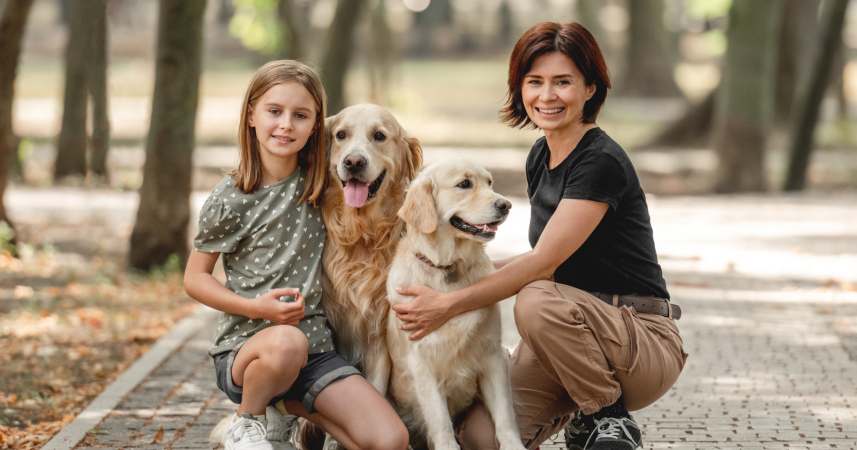
If a dog curls up at your feet or a kid tells you their secrets, you’re doing something right.

Add VegOut to your Google News feed. 
Ever notice how some people just have a way with animals and kids?
Last weekend at my nephew's birthday party, I watched something fascinating unfold. While the adults were making small talk, a shy rescue dog who usually hides from strangers walked right up to one of the parents and settled at her feet.
Later, the birthday boy's normally reserved friend spent the entire party chatting with this same woman about dinosaurs.
She wasn't doing anything special. No treats, no toys, no exaggerated enthusiasm. Yet both the dog and the child gravitated toward her like magnets.
This got me thinking about what draws the most honest judges of character - animals and children - to certain people. They don't care about your job title, your Instagram followers, or your car. They respond to something deeper.
If you find that animals approach you at parties or kids want to sit next to you at family gatherings, you probably possess these seven beautiful traits.
1. You have genuine calmness
Animals and children are incredibly sensitive to nervous energy. They pick up on tension like radar.
When I first started volunteering at an animal sanctuary, I tried way too hard. I'd approach every animal with this forced enthusiasm, thinking I needed to win them over. The results? Most animals kept their distance or seemed anxious around me.
Then I watched a fellow volunteer who had this incredible way with even the most traumatized rescues. She moved slowly, breathed deeply, and just existed peacefully in their space. No rush, no agenda.
Think about it. Have you ever seen a stressed-out person successfully calm a crying baby? Or watched an anxious person try to pet a nervous dog? It rarely works.
If animals and kids seek you out, you likely radiate a natural calmness that makes them feel safe. You're not trying to prove anything. You're just present.
2. You're authentically yourself
Kids have this amazing ability to spot fake behavior from a mile away. Remember being a child and knowing instantly which adults were being genuine versus those putting on an act?
Animals operate the same way. They don't respond to personas or masks. They respond to who you really are.
Authenticity isn't about being perfect. It's about being real. When my nephew asks about "Uncle Jordan's weird food" (his words for my vegan meals), I don't pretend it's something else or get defensive. I just laugh and tell him plants are pretty awesome.
People who attract animals and children don't shift their personality based on who's watching. They're comfortable in their own skin, quirks and all.
3. You listen without judgment
When was the last time you really listened to a five-year-old's story about their imaginary friend? Or paid attention to what a dog was trying to communicate through body language?
Most adults listen to respond, not to understand. But those who naturally draw animals and children do something different. They listen with genuine curiosity.
Years ago, I went through a phase of aggressive evangelism about various causes. I thought I knew better and needed to educate everyone. You know what happened? Even my friend's usually friendly cat started avoiding me during visits.
When I finally learned to replace judgment with curiosity, everything changed. Now when a child tells me something that makes zero logical sense, I lean in. When a dog exhibits unusual behavior, I wonder why instead of immediately correcting it.
This non-judgmental presence creates a safe space that both animals and children instinctively recognize.
4. You respect boundaries
Watch someone who's good with animals and kids. They never force interaction.
They don't grab the cat that's clearly uncomfortable. They don't insist on hugs from children who aren't feeling it. They understand that trust is earned, not demanded.
At the sanctuary, we see this constantly. Visitors who respect an animal's space often end up with that same animal approaching them later. Meanwhile, those who pursue reluctant animals leave empty-handed.
Children operate similarly. They're drawn to adults who let them come closer on their own terms, not those who overwhelm them with attention.
If you naturally give others space to choose their level of interaction, you're demonstrating a respect that both animals and children value deeply.
5. You show consistent kindness
Animals and children have incredible memories for how people treat them. One harsh word or sudden movement can break trust that took months to build.
But here's what's interesting: they also remember consistent kindness, even in small doses.
The mail carrier who always speaks gently to the dog. The aunt who remembers to ask about the child's favorite toy. These consistent, small acts of kindness build a foundation of trust.
You don't need grand gestures. Animals and children respond to reliability. They know what to expect from you, and what they expect is kindness.
6. You're patient with their pace
Adults live in a world of deadlines and efficiency. Children and animals? Not so much.
A child might take five minutes to tell you about a bug they saw. A dog might need to sniff every blade of grass on a walk. If you're someone who naturally accommodates these different paces, you're demonstrating a patience that's increasingly rare.
Think about the last time you saw someone rushing a child through a story or dragging a dog away from an interesting smell. Compare that to someone who adjusts their schedule to match the natural rhythm of those around them.
This patience signals something important: you value their experience over your convenience.
7. You have emotional honesty
Children and animals are experts at reading emotional states. You can't fool them with a fake smile when you're sad or pretend excitement when you're tired.
Instead of being put off by this transparency, they're actually drawn to people whose emotions are congruent. When you're happy, you're genuinely happy. When you're tired, you don't pretend otherwise.
This doesn't mean being moody or unpredictable. It means being emotionally honest in a stable way. Animals and children feel secure with people whose emotional expressions match their internal state.
They know where they stand with you because you know where you stand with yourself.
Wrapping up
If animals trust you with their vulnerability and children share their unfiltered thoughts with you, you possess something special. These traits aren't just about being good with animals and kids. They reflect a way of moving through the world that's increasingly valuable.
In a society that often rewards aggression, speed, and superficiality, you offer something different. You offer presence, authenticity, and genuine connection.
The beautiful thing? These traits that draw the most honest beings to you are the same ones that create meaningful relationships with adults too. We all crave that same safety, authenticity, and non-judgmental presence.
So the next time a stranger's dog chooses your lap or a shy child opens up to you, recognize it for what it is: confirmation that you possess qualities that make the world a gentler place.