What looks like rudeness or fussiness is often just two generations interpreting public space in totally different ways.

Add VegOut to your Google News feed. 
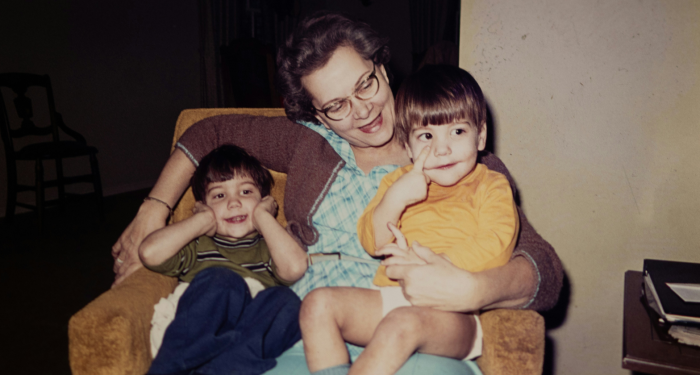
Growing up, my grandmother had this phrase she'd repeat whenever we'd go anywhere: "People are always watching."
At 44, I finally get what she meant. There's a whole set of unspoken rules that her generation follows religiously in public spaces - rules that many younger folks seem to have collectively decided are more like suggestions.
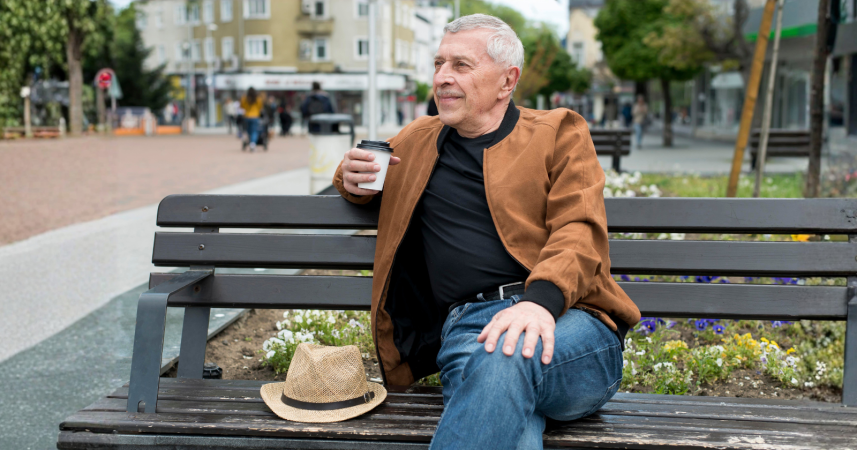
Last week at a coffee shop, I watched this generational divide play out in real time. An older gentleman waited patiently for his turn while three twenty-somethings wandered past the line, phones in hand, completely oblivious.
It got me thinking about these invisible guidelines that once governed public behavior.
1. Phone calls happen in private spaces
Remember when taking a call meant finding somewhere quiet? Boomers still duck into corners or step outside when their phone rings. They cup their hand over the receiver and speak in hushed tones, almost apologetically.
Meanwhile, I've heard entire breakups, business deals, and medical consultations while waiting for my oat milk latte. The other day, someone FaceTimed their therapist in the grocery store produce section. The therapist looked as uncomfortable as the rest of us shopping for avocados.
Boomers treat phone conversations like they're still tethered to a wall - private, purposeful, and brief when in public. They'd rather let it go to voicemail than subject strangers to their dental appointment scheduling.
2. Waiting your turn is non-negotiable
Boomers queue like their lives depend on it. They find the end of the line, maintain appropriate spacing, and wait. No cutting, no "just asking a quick question," no pretending they didn't see the line.
Younger generations? We've turned line-standing into an art form of creative interpretation. "Oh, I'm just looking." "I already ordered online." "My friend is up there." We hover, we hedge, we create auxiliary lines that somehow merge with the main one.
Watch any Boomer encounter line ambiguity and you'll see mild panic. They need to know exactly where the line starts, who's last, and whether that person browsing nearby is actually in line or not.
3. Dress codes still matter
My grandmother wouldn't leave the house without "putting herself together", even for a grocery run. Boomers have outfits for the bank, the doctor's office, air travel. They own "good" jeans and "casual" jeans, and they know the difference matters.
I've shown up to nice restaurants in athleisure. I've attended weddings where half the guests interpreted "cocktail attire" as "clean sneakers are fine, right?" We've democratized comfort over convention, and pajama pants at the store aren't even worth a second glance anymore.
Boomers still believe that how you dress signals respect for the establishment, for other people, and for the occasion itself. They'd rather be overdressed than underdressed, every single time.
4. Small talk with strangers is expected
Boomers treat elevators, waiting rooms, and checkout lines like mandatory social spaces. Weather commentary, observations about wait times, compliments on someone's jacket...they've got an arsenal of ice breakers ready to deploy.
Know what I do in an elevator? Stare at my phone. Most people my age and younger treat public spaces like isolation chambers. We've got our AirPods in, creating invisible barriers that scream "please don't talk to me."
The generational collision happens daily. Boomers make cheerful observations about the rain while we frantically tap at darkened screens, pretending we have signal. They think we're rude. We think they're invasive. Both of us are just following our generation's playbook.
5. Personal space has defined boundaries
Boomers maintain buffer zones. They pick movie theater seats with strategic gaps, stand a full arm's length away in conversations, and would never dream of reaching across someone at the store.
Younger folks? We pile onto benches, squeeze past instead of asking someone to move, and think nothing of leaning across strangers to grab what we need. We share armrests with abandon and treat personal space like a luxury we can't afford in crowded cities.
I've watched Boomers physically recoil when someone stands too close at the ATM. They've got an invisible force field, and crossing it without permission is basically assault.
6. Complaints go through proper channels
When Boomers have a problem, they ask for the manager. Quietly. Discreetly. They pull someone aside, lower their voice, and explain the issue with measured disappointment rather than rage.
We've turned complaining into performance art. Twitter rants, one-star Yelp reviews written from the parking lot, Instagram stories documenting every service failure in real-time. We don't want to speak to the manager - we want to speak to the entire internet.
Boomers still believe in the chain of command, in giving establishments a chance to make things right before going nuclear. They write letters. Actual letters. On paper.
7. Eating happens at designated times and places
Boomers don't eat on public transportation. They don't walk down the street housing a burrito. They sit down at tables, use napkins, and treat meals like events rather than multitasking opportunities.
I've eaten full meals while walking, driving, and sitting in meetings. I've seen people eat sushi on the subway, blend smoothies in library study rooms, and turn any available surface into a dining table. We've divorced food from formality entirely.
For Boomers, there's something almost sacred about not subjecting others to your eating. It's about sounds, smells, and maintaining certain boundaries between private needs and public spaces.
Wrapping up
These aren't just arbitrary differences. They represent fundamental shifts in how we understand public space, privacy, and our obligations to strangers. Boomers grew up with clear scripts for public behavior. Those scripts created predictability, even if they also created constraints.
We've traded that predictability for flexibility, formality for authenticity, rigid rules for individual interpretation. Neither approach is inherently right or wrong, but the friction happens when these different philosophies collide in the same spaces.
Maybe the real lesson isn't about which rules to follow, but about recognizing that we're all operating from different playbooks.
Understanding these differences doesn't mean we have to adopt them. But it might make our shared spaces a little less frustrating for everyone involved.
If You Were a Healing Herb, Which Would You Be?
Each herb holds a unique kind of magic — soothing, awakening, grounding, or clarifying.
This 9-question quiz reveals the healing plant that mirrors your energy right now and what it says about your natural rhythm.
✨ Instant results. Deeply insightful.

Jordan Cooper
Jordan Cooper is a pop-culture writer and vegan-snack reviewer with roots in music blogging. Known for approachable, insightful prose, Jordan connects modern trends—from K-pop choreography to kombucha fermentation—with thoughtful food commentary. In his downtime, he enjoys photography, experimenting with fermentation recipes, and discovering new indie music playlists.
More Articles by Jordan