Somewhere between the turmeric powder and the slow-simmered carrots, I stopped treating nourishment and nostalgia like they belonged in separate kitchens.

Add VegOut to your Google News feed. 
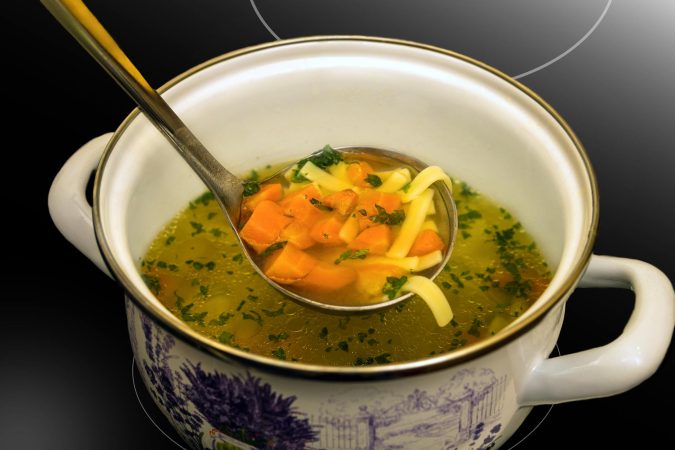
The smell hit me before the taste did. Sweet potato, softened past the point of holding its shape. Onion that had gone translucent hours ago. A bay leaf doing quiet work from the bottom of the pot. I was standing in my kitchen at forty-three, barefoot on cold tile, and my throat tightened with something I hadn't expected to feel while making soup.
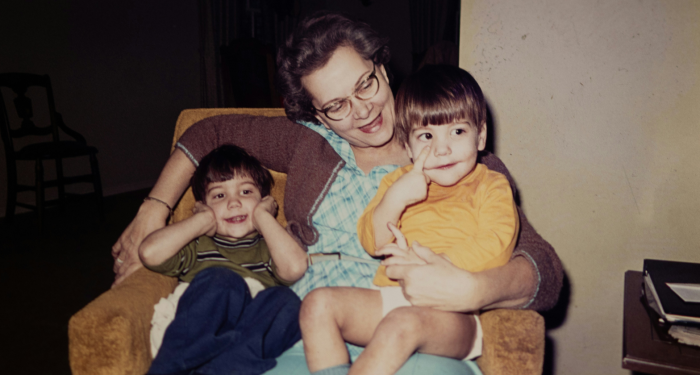
I was seven years old again. Standing on a step stool in my mother's kitchen, watching her stir a pot that looked exactly like this one. She never called what she made "comfort food" or "healing food" because those categories didn't exist in her vocabulary. She called it dinner. She called it what we had. And it kept us fed through winters that felt like they would never break.
For the better part of two decades, I carried around a quiet belief that food could either soothe you or sustain you, but doing both at once was a kind of nutritional fairy tale. The stuff that made you feel safe (the buttery, the starchy, the warm) was the stuff wellness culture warned you about. And the stuff that was supposed to heal you (the optimized, the cold-pressed, the measured in grams) felt like eating a homework assignment. I kept these two ideas in separate drawers. I never questioned why.
The Split We Learn Without Being Taught
You absorb this binary early. Pleasure lives on one side of the plate, and virtue lives on the other. Food magazines reinforce it. Social media compounds it. You scroll past a glossy photo of mac and cheese captioned "cheat day" and then immediately see a smoothie bowl arranged like a mandala, captioned "fuel your body right." The message is subtle and relentless: food that feels good is a transgression, and food that's good for you requires discipline.
I internalized this so deeply that when I shifted toward eating plant-based in my late thirties, I treated it like a project with rules. Leafy greens measured. Protein tracked. Meals engineered for nutrient density. I ate well, technically. But I ate joylessly. The meals I made were correct, and they bored me. They kept my body running, and they gave my soul absolutely nothing.
Meanwhile, the dishes I craved (the ones my mother made, the ones that reminded me of belonging to a family that didn't have much but always had a full pot on the stove) felt like contraband. Indulgent. Unserious. The kind of food you "fall back on" rather than rise toward.
What a strange thing, to be ashamed of the meals that raised you.
The Pot That Changed the Equation
I didn't set out to make a revelation. I set out to use the last of the root vegetables sitting in my fridge before they went soft. Sweet potatoes. Carrots. A single parsnip I'd forgotten about. Onion, garlic, a can of crushed tomatoes. Some vegetable broth. Cumin, smoked paprika, a generous spoonful of miso paste stirred in at the end because I'd read somewhere that it deepens everything.
I put it all in the slow cooker before I left for work. Eight hours later, I came home to a kitchen that smelled like 1989.
There was no recipe card, no influencer tutorial, no optimization strategy. Just vegetables, time, and heat. And when I sat down with a bowl of it, something cracked open. The feeling of being cared for. The recognition that someone had stood over a pot like this and fed me without ever thinking about macros or antioxidant profiles. My mother fed me out of love and scarcity and the stubborn belief that a warm meal could hold a family together.
And here's what got me: everything in that bowl was genuinely, measurably nourishing. Sweet potatoes loaded with beta-carotene. Tomatoes rich with lycopene. Garlic with its widely studied potential health benefits. Miso bringing fermented depth and gut-friendly cultures. This was healing food by every modern definition. And it was comfort food by every emotional one.
The two categories I'd kept in separate drawers? They were the same drawer. They had always been the same drawer.
Why We Resist the Overlap
I think the reason I (and a lot of people) kept comfort and healing apart for so long has everything to do with how we relate to pleasure. Somewhere along the way, many of us absorbed the idea that if something feels good, it probably isn't good for you. That enjoyment is a warning sign. That the body's cravings are the enemy of the body's health.
This shows up everywhere, not just in food. People who survive on autopilot often treat rest the same way: something stolen rather than earned. Relaxation as laziness. Enjoyment as weakness. The body asks for comfort and the mind overrides it, insisting that optimization is the only acceptable response.
But comfort food (real comfort food, the kind rooted in memory and warmth, not the processed shorthand marketed to us) was never the enemy of health. The meals my mother made from root vegetables and dried beans and whatever the garden produced were both things simultaneously. They soothed because they were warm, familiar, shared. They healed because they were whole, unprocessed, made with care and eaten slowly.
The industrial food system is what split them apart. It took the emotional resonance of comfort food and attached it to products engineered for craving, stripped of nutrition. And it took the concept of healing food and dressed it in austerity, making wellness look like sacrifice. We ended up with two distortions and lost the original thing: a pot of food made slowly, with what you have, eaten with people you love (or even just with yourself, in a quiet kitchen, letting the warmth do its work).
The Memory That Lives in the Recipe
After that first night with the slow cooker stew, I started paying attention to what comfort food actually meant in my family's history. My mother's kitchen wasn't a wellness retreat. She didn't have a Vitamix. She had a dented aluminum pot and a gas stove with one burner that ran too hot. But the meals she made from almost nothing carried something in them that I've spent years and thousands of dollars trying to replicate with supplements and superfoods.
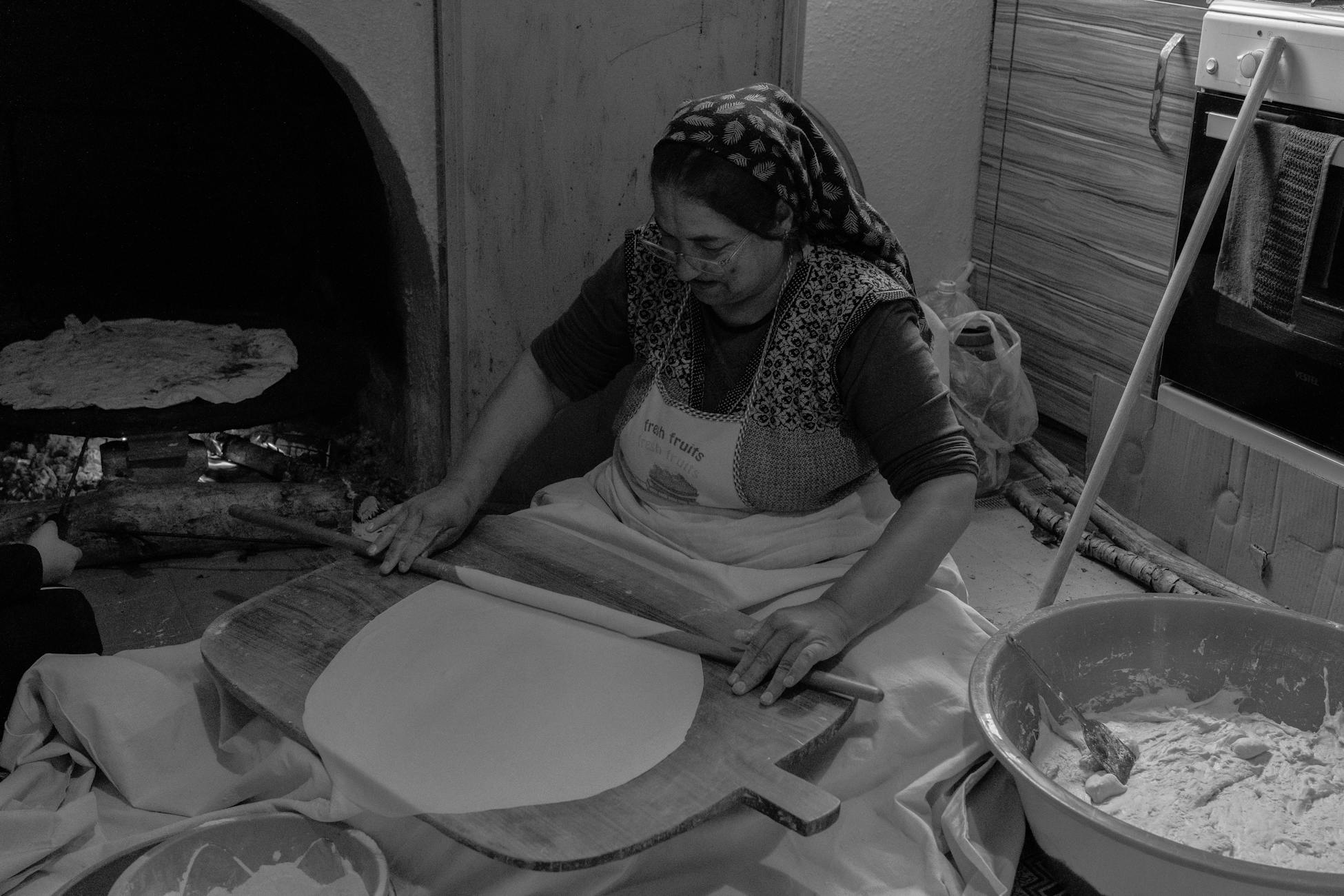
They carried presence. The slow act of chopping, stirring, tasting, adjusting. She tasted everything from the wooden spoon, added salt by feel, knew when the onions were ready by sound. That kind of attention is its own form of medicine, both for the person cooking and the person being cooked for.
I think about the aging mothers who still ask if you've eaten. That question carries the weight of every meal they ever made when the budget was tight, the day was long, and feeding you was the one thing they could absolutely control. Comfort and care and nutrition weren't three separate offerings. They were one gesture, repeated daily, for years.
Relearning What Nourishment Means
I've made that stew probably forty times since. I change it depending on the season and what's in the fridge. Sometimes it's heavier on beans and greens. Sometimes it's mostly root vegetables with coconut milk stirred in at the end. I've added lentils, swapped cumin for ginger, used leftover rice as a base. The specifics don't matter. What matters is the pace of it, the intentionality, the fact that I stop measuring and start feeling.
The meals that fed working-class families for generations were plant-heavy by necessity. Beans, rice, root vegetables, greens, bread. The irony is staggering: the food that sustained entire communities out of economic hardship is now repackaged as a premium lifestyle choice. But stripped of its pretension, it remains what it always was. Affordable. Filling. Dense with nutrients. And when cooked slowly, with attention, profoundly comforting.
I stopped trying to separate the emotional experience of eating from the physical one. They are woven together in ways that resist untangling, and they shouldn't be untangled. The warmth of a stew on a cold night does something to your nervous system that no supplement can replicate. The act of feeding yourself something you made with your own hands, from ingredients you chose, carries a kind of self-regard that transcends vitamins.
What the Bowl Holds
When I eat that stew now, I'm doing several things at once. I'm giving my body fiber and micronutrients and the slow-burning energy that comes from whole food cooked with patience. I'm also sitting with a memory of my mother's kitchen, the hum of the vent above the stove, the way the windows fogged from the steam. I'm both the child being fed and the adult doing the feeding.
I used to think I had to choose between those roles. The practical, optimized adult who tracks nutrition, or the emotional person who cooks from memory and feeling. The person who heals, or the person who finds comfort. I carried that false binary for years, and it made eating a lonely, joyless act of compliance.
People who eat alone by choice rather than compromise their values understand something about food that goes deeper than preference. Every meal is a small declaration of what you believe you deserve. And for a long time, I believed I deserved either health or happiness, but asking for both was greedy.
It took a slow cooker and a bag of sweet potatoes to show me how wrong I was.
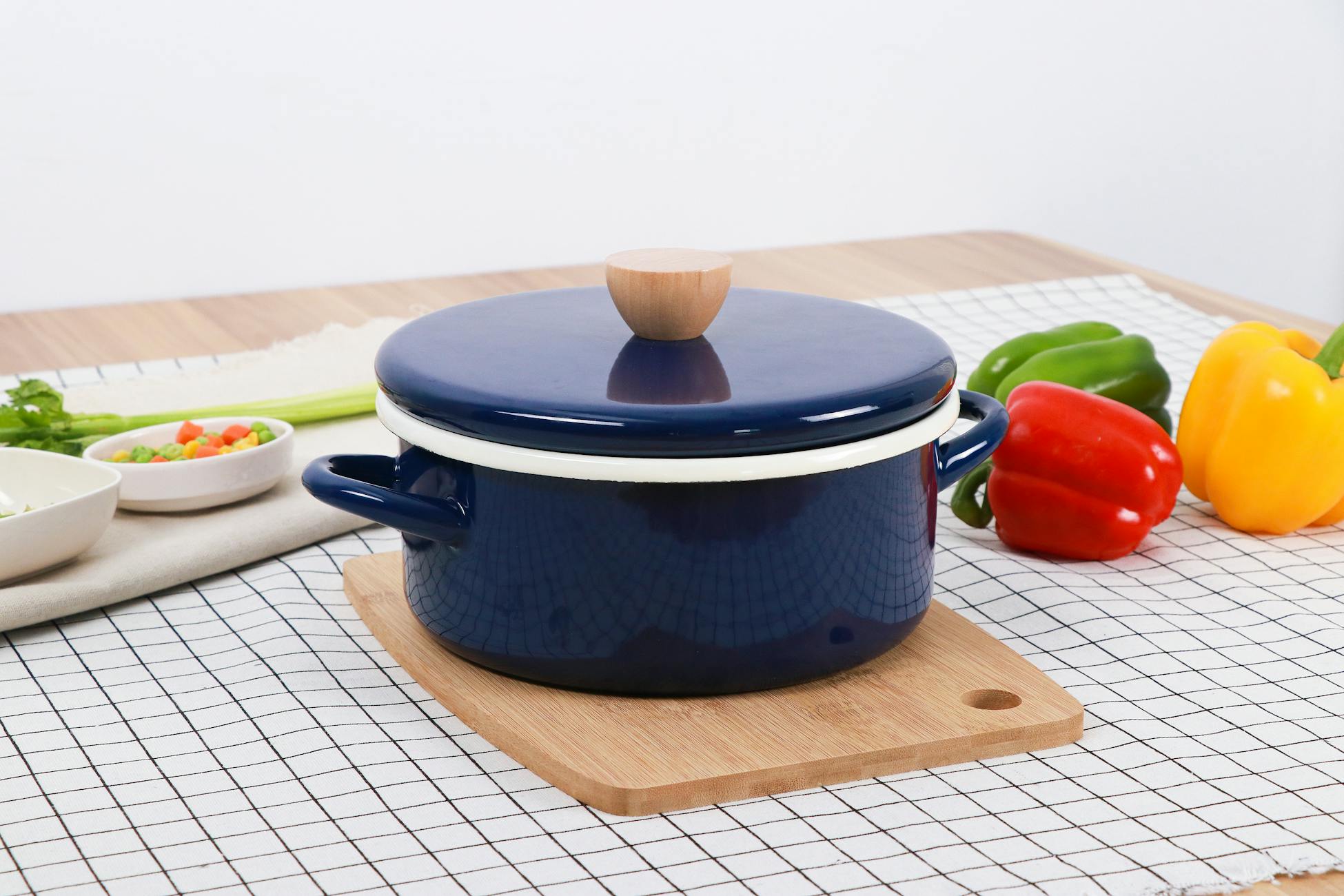
The pot is on the counter again tonight. Carrots, parsnip, the last of some white beans. A bay leaf settled at the bottom like it belongs there, because it does. The kitchen smells like something I can't buy at any store, something that lives in the overlap between science and memory, between what feeds the body and what a mother's recipe box holds that no nutritional label can capture.
I'll eat it slowly. I'll eat it warm. And I won't pretend those two things are separate from being well.
If You Were a Healing Herb, Which Would You Be?
Each herb holds a unique kind of magic — soothing, awakening, grounding, or clarifying.
This 9-question quiz reveals the healing plant that mirrors your energy right now and what it says about your natural rhythm.
✨ Instant results. Deeply insightful.

Adam Kelton
Adam Kelton is a writer and culinary professional with deep experience in luxury food and beverage. He began his career in fine-dining restaurants and boutique hotels, training under seasoned chefs and learning classical European technique, menu development, and service precision. He later managed small kitchen teams, coordinated wine programs, and designed seasonal tasting menus that balanced creativity with consistency.
After more than a decade in hospitality, Adam transitioned into private-chef work and food consulting. His clients have included executives, wellness retreats, and lifestyle brands looking to develop flavor-forward, plant-focused menus. He has also advised on recipe testing, product launches, and brand storytelling for food and beverage startups.
At VegOut, Adam brings this experience to his writing on personal development, entrepreneurship, relationships, and food culture. He connects lessons from the kitchen with principles of growth, discipline, and self-mastery.
Outside of work, Adam enjoys strength training, exploring food scenes around the world, and reading nonfiction about psychology, leadership, and creativity. He believes that excellence in cooking and in life comes from attention to detail, curiosity, and consistent practice.
More Articles by Adam