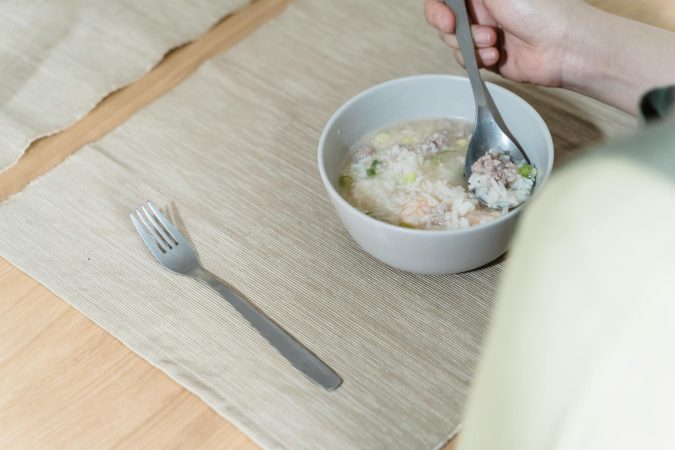
Sometimes the cure for what ails you has been sitting on a shelf in your pantry the whole time, priced at roughly forty-seven cents a serving.

Add VegOut to your Google News feed. 
The receipt from my last functional medicine consultation is still pinned to the corkboard above my desk. Four hundred and seventy-five dollars for forty-five minutes, a saliva test kit, and a supplement protocol that required its own spreadsheet. I remember driving home that afternoon feeling the particular kind of hope that only expensive things can manufacture. Surely this would be the one. Surely someone charging that much per hour had access to truths my body had been hiding from cheaper practitioners.
I was fifty-one years old at the time, carrying an extra thirty pounds I couldn't explain, sleeping in ninety-minute chunks, and living with a low-grade brain fog that made every afternoon feel like I was thinking through wet wool. My joints ached in places I didn't know had joints. My doctor said my bloodwork was "within normal limits," which is medical language for I can't help you but I also can't bill you for anything specific. So I went looking elsewhere. And elsewhere, as it turns out, is very, very expensive.
The Wellness Spiral
Over the course of roughly three years, I spent $14,000. I know the number because I kept a running tally on a note in my phone, the way some people track miles walked or calories consumed. At first it was a point of pride. Look how seriously I'm taking my health. Look how committed I am. Later it became something closer to evidence in a case I was building against myself.
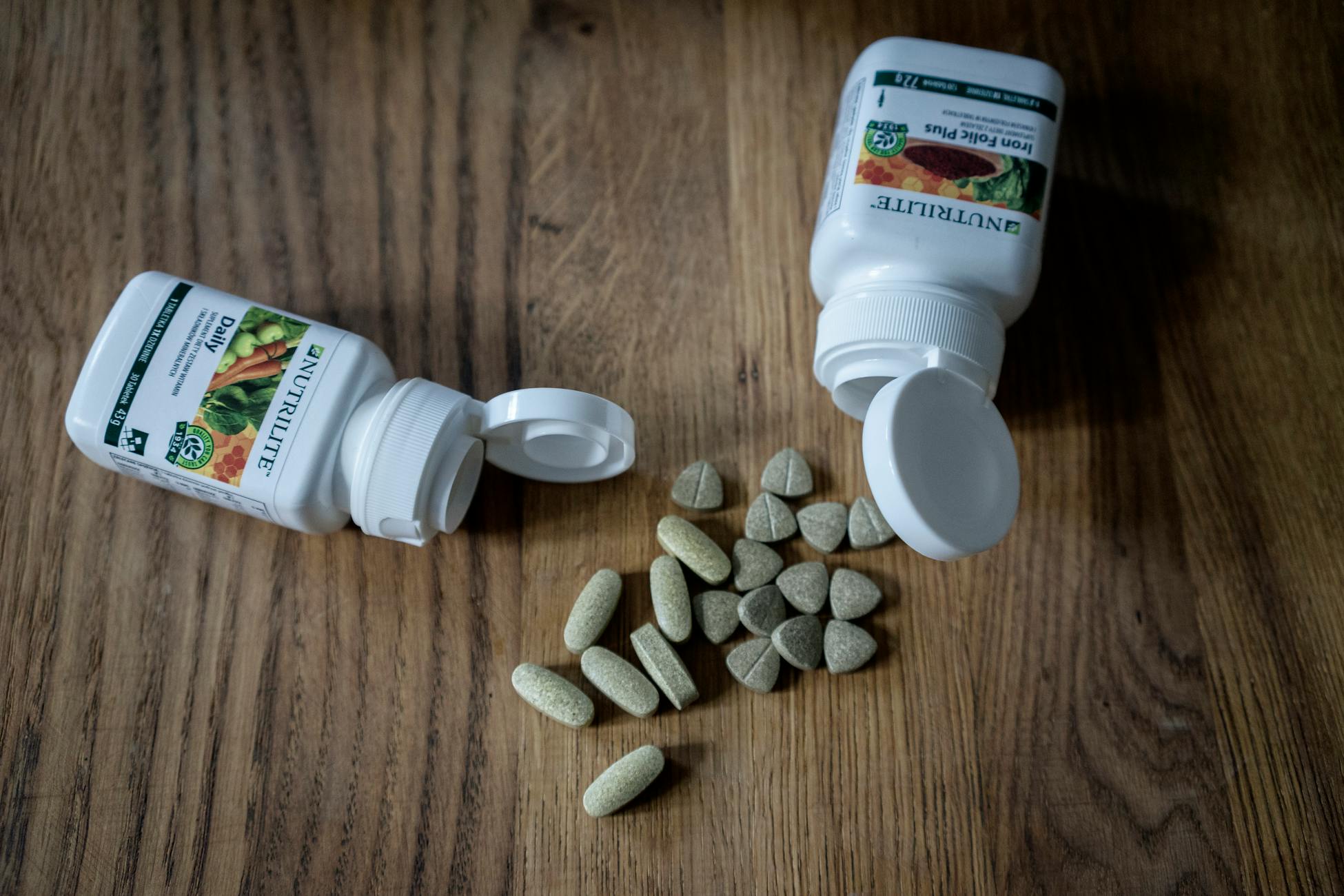
The breakdown looked something like this: two wellness retreats in Sedona (one silent, one not), four months of a functional medicine protocol involving seventeen daily supplements, a week-long juice cleanse supervised by a woman who called herself a "cellular renewal specialist," two rounds of food sensitivity testing that contradicted each other, an infrared sauna membership, a consultation with a naturopath who told me my mitochondria were "tired," and enough adaptogenic mushroom powder to fill a bathtub.
Each intervention came with its own language, its own logic, its own promise. And each one worked just enough to keep me reaching for the next. The silent retreat genuinely calmed something in me, for about eleven days. The supplements gave me more energy, until they gave me heartburn. The juice cleanse made me feel clean and empty in a way I mistook for health. I kept chasing the feeling of having finally found the answer, which is a feeling that, by design, never lasts long enough to stop you from buying the next thing.
What I Was Actually Eating
Here's the part that embarrasses me. While I was spending hundreds of dollars on reishi extracts and ashwagandha tinctures, my actual daily diet looked like this: coffee with oat milk for breakfast, a salad from the prepared foods section at the grocery store for lunch (the kind drowning in ranch dressing and croutons), and whatever I could assemble in under ten minutes for dinner, which usually meant pasta with jarred sauce or a frozen meal I told myself was "clean" because the packaging had a leaf on it.
I wasn't eating terribly by most standards. I wasn't living on fast food. But I also wasn't eating real food in any meaningful, consistent way. My vegetables were decorative. My fiber intake was a joke. I was supplementing a diet that didn't have a foundation to supplement.
The realization came on an unremarkable evening. I'd just gotten back from a follow-up appointment where yet another practitioner suggested yet another panel of tests, and I was standing in my kitchen looking at the bag of dried black beans I'd bought weeks ago on a whim. Something my grandmother used to make. Simple. Ordinary. Beneath the sophistication of my wellness journey.
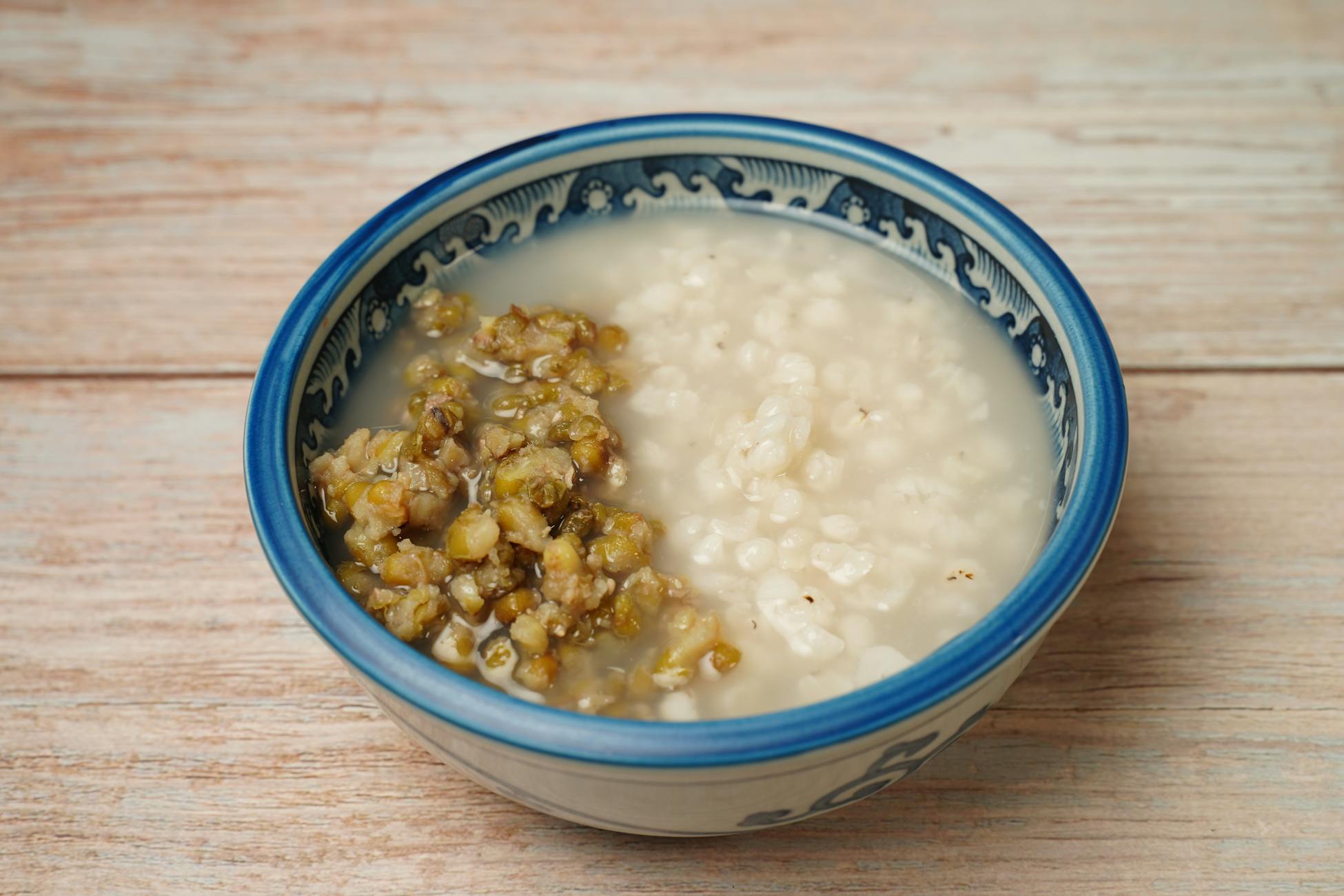
I soaked them overnight. The next morning I cooked them with garlic, cumin, and a bay leaf. I made a pot of brown rice. I chopped up some kale and massaged it with lemon juice the way I'd seen someone do once on a cooking show. And I sat down at my own table, alone, and ate a bowl of food that cost maybe two dollars to prepare.
Within a week of eating some version of that bowl every day, I was sleeping better. Within three weeks, the brain fog started thinning. Within two months, I'd lost nine pounds without trying, my digestion had regulated for the first time in years, and the joint pain had dulled to something I could ignore. No protocol. No practitioner. Just beans, rice, and greens.
The Uncomfortable Math
I've thought a lot about why I spent $14,000 looking for something that was available to me for roughly $3 a day. The easy answer is marketing, and there's truth in that. The wellness industry is extraordinarily skilled at making simple things feel insufficient. A bowl of black beans doesn't come with a brand story or a celebrity endorsement or a proprietary blend. It doesn't arrive in minimalist packaging with a QR code linking to a podcast. It's just food. And food, unadorned and unbranded, has become almost invisible to people like me who were taught that healing requires complexity.
But the harder answer is psychological. I didn't trust something that simple because I didn't trust myself to know what I needed. I'd outsourced that knowing so completely (to practitioners, to panels, to protocols) that the idea of my own body responding to basic nourishment felt almost naive. Like bringing a home remedy to a gunfight. I needed someone with credentials and a waiting list to validate my suffering, and I needed the price tag to match the seriousness of how bad I felt.
There's a well-documented tendency in behavioral economics to assume that more expensive things are better. Research on pricing and perceived quality has shown that people's expectations about a product's effectiveness can actually influence their experience of it. I was living inside that assumption. Every expensive consultation felt more real, more legitimate, more likely to work than anything I could do for free in my own kitchen.
What the Beans Were Actually Doing
I want to be careful here. I'm not a doctor, and I'm not suggesting that black beans cure disease. What I am saying is that when I finally started eating whole, plant-based meals consistently, my body responded in ways that years of supplementation and optimization never achieved.
Black beans are dense with fiber, folate, magnesium, and plant-based protein. Brown rice provides B vitamins and additional fiber. Dark leafy greens deliver iron, calcium, and more micronutrients than most people realize. Together, these three foods create a meal that feeds gut bacteria, stabilizes blood sugar, and provides sustained energy without the crash. Research on plant-based nutrition and gut health has grown considerably in recent years, with studies suggesting that diverse fiber from whole plant foods supports the microbiome in ways that isolated supplements may not replicate.
What struck me was how unglamorous the mechanism was. My body wasn't responding to anything exotic or proprietary. It was responding to adequate fiber, consistent micronutrient intake, and the absence of the processed foods that had been quietly dominating my diet. The supplements I'd been taking were trying to compensate for a foundation that didn't exist. It was like putting premium gasoline in a car with no engine.
The Grief of Wasted Money
I'd be lying if I said I made peace with the $14,000 quickly. There was a period of genuine anger. At the practitioners who never once asked me what I ate for dinner. At the retreat facilitators who served adaptogenic smoothies but never mentioned that most Americans don't eat enough legumes. At myself, for being so willing to believe that healing had to be purchased from someone else.
My daughter, who is twenty-six and far more sensible than I was at her age, said something that stuck with me: "Mom, you weren't paying for health. You were paying for hope. And hope isn't a waste of money." She's probably right. Each consultation, each retreat, each bottle of capsules represented a moment where I believed things could get better. That belief kept me going during years when my body felt like a stranger.
But I also think there's a version of hope that's quieter and less expensive, and I wish someone had pointed me toward it sooner. The hope that lives in a pot of beans simmering on the stove. The hope embedded in the ordinary act of feeding yourself well, day after day, without fanfare.
What I Tell People Now
When friends ask me about my "wellness journey" (a phrase I now find almost comically oversized for what actually happened), I tell them the truth. I spent a small fortune looking for a complicated answer to a simple problem. I was undernourished. Not in the dramatic, visible way. In the quiet, suburban, "I eat three meals a day so I must be fine" way that millions of people are undernourished right now without knowing it.
I still meditate. I still walk every morning. I still believe that some of what I learned at those retreats has value. The silent retreat taught me things about my own mind that I carry with me daily. But the physical transformation, the tangible, measurable changes in how my body feels and functions, came from the kitchen. From the humblest possible ingredients, prepared with the most basic possible skills.
I keep a bag of dried black beans in my pantry at all times now. It costs about $1.89 and lasts nearly two weeks. I buy brown rice in bulk. I rotate through whatever greens are cheapest that week: kale, collards, spinach, chard. Some nights I add sweet potato or avocado or a squeeze of hot sauce. The bowl changes, but the foundation stays.
And every time I sit down to eat it, I think about the version of myself who was so convinced that healing had to be expensive, had to be complex, had to come from someone with a title and a waiting room. I don't judge her. She was doing what the culture taught her to do. She was looking for rescue in all the places rescue advertises itself. She just didn't know yet that the rescue was already in her kitchen, waiting patiently in a one-pound bag on the bottom shelf, costing less than a cup of coffee and asking for nothing but a little water and time.