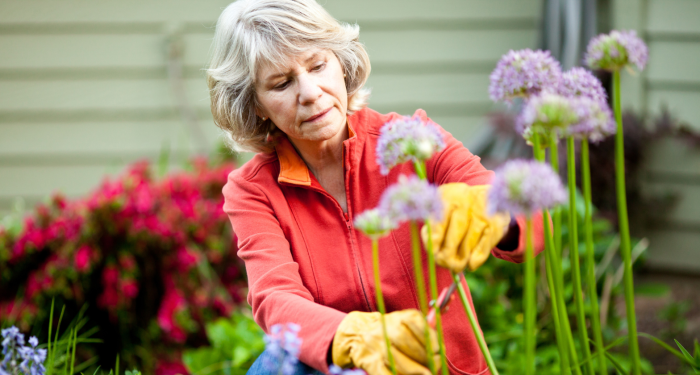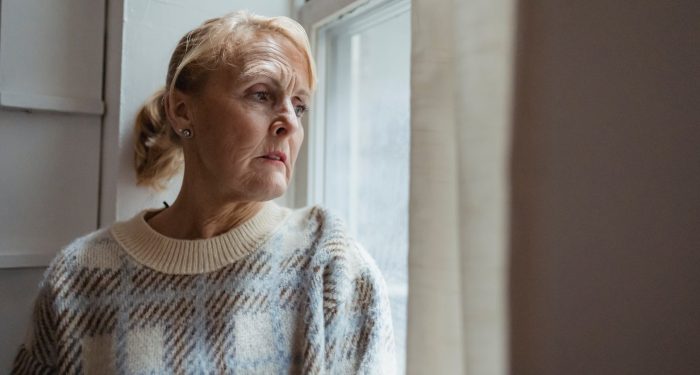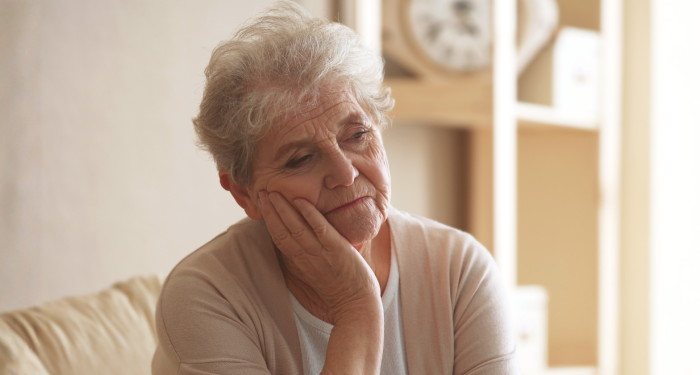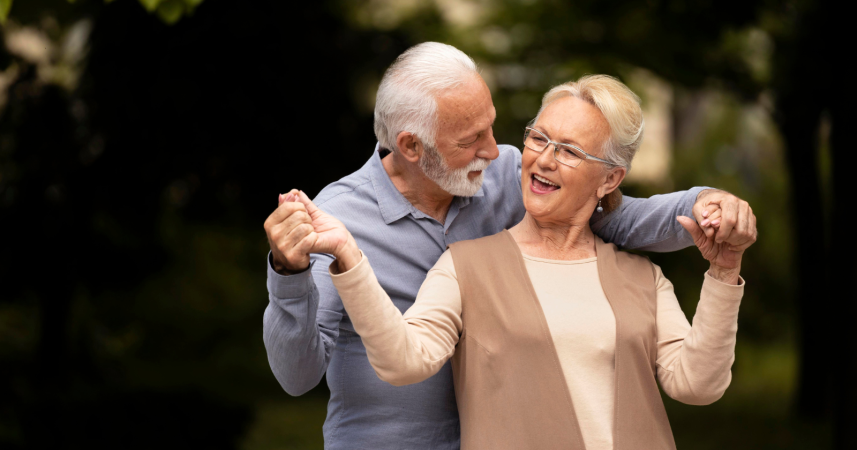
Happiness in your seventies isn’t about staying young—it’s about getting better at being you.

Add VegOut to your Google News feed. 
There’s a quiet kind of power in watching someone in their 70s who radiates joy—not the forced, high-energy kind of joy we often associate with youth, but a steady, grounded happiness. The kind that doesn't beg for attention. The kind that knows itself.
And I think most of us want that. To age without bitterness. To feel like life didn’t pass us by while we were trying to prove something.
The trouble is, the cultural playbook for happiness in your 70s is still rooted in denial. Anti-aging creams. Instagram reels of septuagenarians doing backflips. Marketing that says you can "still be young" if you just try hard enough.
But what if you don’t want to be young again? What if you want is simply to be free?
In my experience—watching my own parents, neighbors, and a few beloved elders from afar—the people who seem genuinely at peace in their 70s aren’t chasing youth. They’re just quietly doing a few things differently.
Here are seven of them.
1. Stop trying to fix everyone
You know what’s exhausting? Believing you’re responsible for other people’s choices.
I had an older neighbor named Lou who used to stress himself sick about his adult children’s finances, relationships, parenting, you name it. He once told me, "I can't rest until I know they're okay."
Contrast that with another elder I know, Estelle, who told me something that stuck: "I give advice when asked. Then I zip it."
People in their 70s who seem truly happy have learned the art of emotional detachment—not in a cold way, but in a respectful, boundary-honoring way.
Psychologists call this "differentiation": the ability to maintain your sense of self even when people you love are struggling. It’s a quiet superpower that keeps you sane.
2. Keep playful rituals
I once read that joy lives in the body, not the brain. And the older folks I’ve met who radiate that peaceful kind of joy? They still play.
One guy I met at a weekend drumming circle (yes, I went to one) said he started learning the cajón at 71. Not to become a pro. Not to impress anyone. Just to feel rhythm in his bones again.
Another woman I know has a Friday tradition: every week, she tries a new pastry from the local bakery and ranks them in a notebook.
Silly? Maybe. But these rituals offer something bigger than entertainment. They signal aliveness. They bring novelty. And they’re often just for you.
3. Let your identity evolve
Here’s one I didn’t expect to be so key: the people who age well are willing to change how they define themselves.
It sounds obvious, but many of us cling to our identities—parent, manager, caretaker, athlete—long after they stop fitting.
Happy seventy-somethings let themselves be beginners again. They try painting for the first time. They stop being the family cruise director. They experiment with not always having an opinion.
That flexibility is a form of psychological resilience.
As psychologist Susan David put it, "Discomfort is the price of admission to a meaningful life." And sometimes the discomfort is in admitting: I’m not who I used to be. And that’s okay.
4. Build your days around energy, not expectations
One man I met through a meditation group, Vince, told me something I wrote down word-for-word: "In your 70s, your energy is like a budget. Overspend it early in the day, and you’re borrowing from tomorrow."
That stuck with me.
The happiest older people I know don’t schedule themselves like they’re still 45. They’re honest about what drains them, what restores them, and what’s actually necessary.
They also don’t apologize for needing rest. Or saying no. Or skipping the drama.
There’s wisdom in designing your days based on real energy flow instead of social expectations. Not just in your 70s—but especially then.
5. Keep a small circle of truth-tellers
Another pattern I’ve noticed: the people who seem at peace in later life are rarely surrounded by dozens of acquaintances. They have a few people they trust deeply, and they invest in those relationships like a slow-burning fire.
They don’t need validation from the crowd. They want connection, not clout.
And most importantly, they surround themselves with people who don’t just flatter them—they challenge them gently, hold space when needed, and tell the truth without harshness.
Social psychologist Julianne Holt-Lunstad has studied the health impact of social connection extensively and found that strong relationships influence the health outcomes of adults. As such, they should be taken as seriously as other risk factors that affect mortality.
6. Respect your inner pace
A funny thing happens when you stop rushing: time stretches.
People who are wildly, peacefully happy in their 70s have stopped sprinting toward arbitrary finish lines. They’re not obsessed with maximizing productivity. They’re not comparing their calendars.
Instead, they move with intention. They pause mid-sentence. They sip their coffee slowly. They leave space for noticing things.
This doesn’t mean they do nothing. But what they do comes from alignment, not pressure.
In psychology, this taps into what’s called "intrinsic motivation" — doing something because it matters to you, not because you’re trying to meet an external metric.
That’s the vibe: unhurried purpose.
7. Choose awe over achievement
Finally, this one. Possibly the most underrated of all.
Research shows that cultivating awe can increase positive emotions and life satisfaction and reduce daily distress over time.
True enough, the happiest elders I’ve met don’t live through their resumes. They live through their senses.
They stop to watch sunsets. They know the names of trees. They marvel at the sound of their granddaughter’s laugh or the feel of fresh laundry.
In short, they choose awe. And that changes everything. But they don’t do it because it’s good for them. They do it because it reminds them that life is still astonishing, even now.
Final words
You don’t need to buy into the narrative that youth is the only time worth celebrating. You just need to make peace with your own pace.
Let your curiosity stay active. Let your rituals stay weird. Let your heart stay soft.
And most of all, let aging be less about proving and more about becoming.
Not younger. Just more deeply yourself.
If You Were a Healing Herb, Which Would You Be?
Each herb holds a unique kind of magic — soothing, awakening, grounding, or clarifying.
This 9-question quiz reveals the healing plant that mirrors your energy right now and what it says about your natural rhythm.
✨ Instant results. Deeply insightful.

Jordan Cooper
Jordan Cooper is a pop-culture writer and vegan-snack reviewer with roots in music blogging. Known for approachable, insightful prose, Jordan connects modern trends—from K-pop choreography to kombucha fermentation—with thoughtful food commentary. In his downtime, he enjoys photography, experimenting with fermentation recipes, and discovering new indie music playlists.
More Articles by Jordan