After decades of anticipating everyone else's needs with surgical precision, I discovered at 73 that I couldn't answer the simplest question about myself: what did I actually want for dinner?

Add VegOut to your Google News feed. 
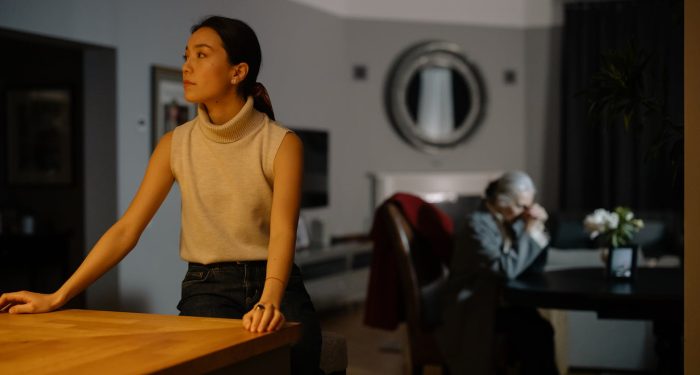
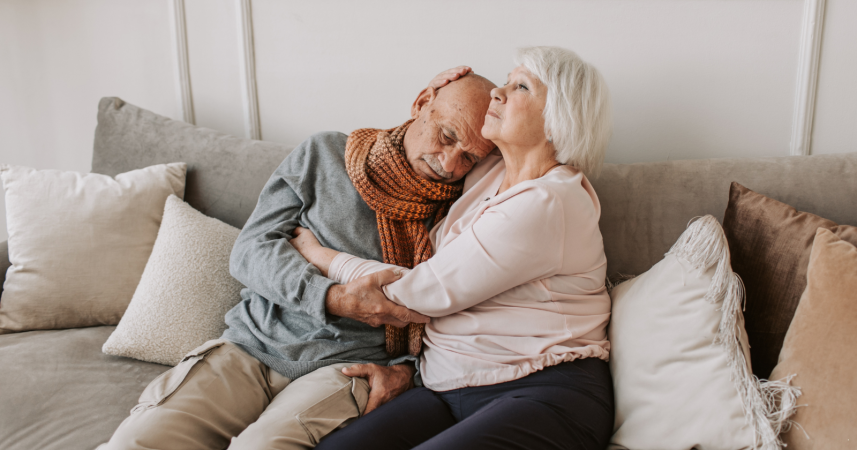
When my husband passed away five years ago, after seven years of watching Parkinson's slowly steal him from me piece by piece, I thought grief would be my teacher. And it was. But what I didn't expect was the other lesson waiting in the wings: I had become so good at reading everyone else's needs that I'd forgotten I even had my own.
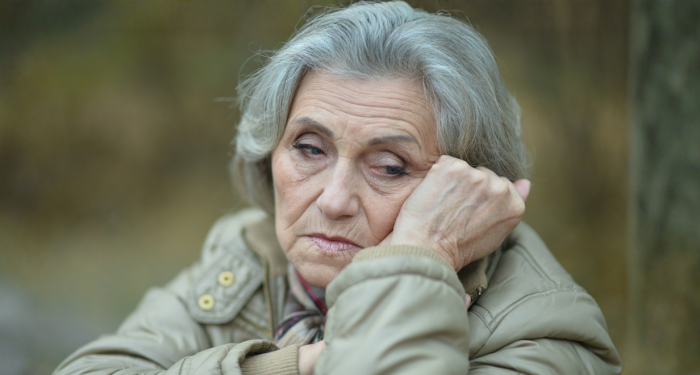
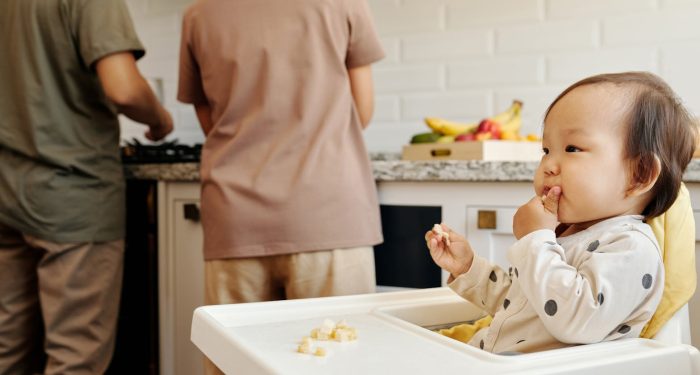
The memorial service was beautiful. Friends told me how gracefully I'd handled everything, how strong I'd been through his illness. My children praised how I'd made their father's final years as comfortable as possible. And somewhere between accepting condolences and making sure everyone else was okay, I realized I couldn't answer the simplest question: What did I want for dinner? Not what would be easiest to make, not what leftovers needed using up, not what visiting family might prefer. Just... what did I want?
The invisible curriculum of caregiving
Those seven years of caregiving had transformed me into something I never signed up to become: a professional anticipator. I could predict when he'd need his medication adjusted before he felt the tremors worsen. I knew which foods would be easier for him to manage on difficult days. I learned to read micro-expressions that told me when he was frustrated but trying not to show it.
These skills didn't disappear when he did. Instead, they transferred seamlessly to everyone else in my orbit. My adult children would call, and before they finished their first sentence, I'd already mentally rearranged my week to accommodate whatever they might need. When my grandchildren visited, I became a mind reader, stocking their current favorite snacks, remembering which one had given up meat last month, which one needed help with math homework.
Have you ever noticed how naturally we slip into this role? It starts innocently enough. You're good at taking care of people. They appreciate it. You feel useful, needed, valuable. But somewhere along the way, the thing that makes you valuable becomes the only thing you know how to be.
When helping becomes hiding
Looking back, I can see that my decade of expertise in other people's needs wasn't just about them. It was my hiding place. After retiring at 64, when my knees finally won their long argument with me about standing in classrooms all day, I'd lost my identity as a teacher. Then I lost my identity as a wife. Being needed by others gave me something to be when I didn't know who I was anymore.
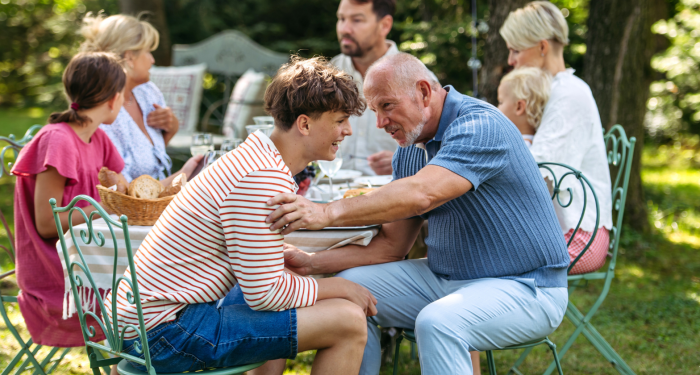
My oldest grandchild, now 22, called me out on it during a visit last year. "Grandma," she said, watching me fuss over everyone at a family dinner, "when was the last time you did something just because you wanted to?" I laughed it off, but that night I lay awake trying to answer her question. The silence was deafening.
There's a particular exhaustion that comes from constantly scanning your environment for what others might need. Your own desires don't just take a back seat; they get out of the car entirely. You tell yourself you're being selfless, but Virginia Woolf had it right when she wrote about women needing rooms of their own. We need psychological rooms too, spaces where our own wants can exist without apology or justification.
The terrifying freedom of wanting
Two years ago, something shifted. Maybe it was turning 71 and realizing I might have another 20 years ahead of me. Maybe it was finally having the energy to face what scared me. But I decided to start learning Italian, something I'd dreamed about since watching "Roman Holiday" as a teenager.
The first lesson was a disaster. Not because the language was hard, but because I kept second-guessing myself. Was this too frivolous? Should I be using this time to help my daughter with her kids instead? Was it selfish to spend money on something just for me?
I recently came across this new handbook on retirement that really shifted my thinking about all this. It's by Jeanette Brown, who's a life coach specializing in retirement transitions. I've mentioned her guide before in recent posts, but one insight keeps resonating: retirement today can span 20 or 30 years, so we need to treat it as a whole new chapter, not just a winding down. That hit me hard. If I might have two more decades ahead of me, did I really want to spend them all as a supporting character in everyone else's story?
The guide is actually free, which surprised me, and reading it felt like having coffee with someone who understood exactly what I was grappling with. It helped me see that my struggle wasn't just about being selfish or selfless. It was about learning to exist as a whole person again.
Becoming a beginner at 73
These past two years have been an education in stumbling. I signed up for that Italian class and stuck with it, even when my pronunciation made my teacher wince. I started saying "let me think about it" when my kids asked for favors, instead of immediately saying yes. I bought a bright red coat because I wanted it, not because it was practical or on sale.
Small victories, perhaps, but for someone who spent a decade perfecting the art of self-erasure, they feel monumental. I'm learning that my needs aren't just about indulgences or treats. They're about boundaries, rest, creativity, and joy. They're about remembering that I'm not just a mother, grandmother, widow, or former teacher. I'm also a person who loves mystery novels, hates cilantro, dreams of seeing Venice, and needs eight hours of sleep to feel human.
What surprises me most is how difficult this remains. You'd think at 73, after raising children, teaching hundreds of students, and surviving loss, that knowing what I want would be simple. But those muscles have atrophied from disuse. When someone asks what I'd like to do on a Saturday, my first instinct is still to ask what would work best for them.
Final thoughts
I'm still very much a beginner at this. Last week, I spent an entire morning helping my son reorganize his garage when I'd planned to work on my Italian homework. Old habits die hard, especially when they've been reinforced by decades of praise for being "so helpful" and "so selfless."
But I'm learning. I'm learning that being an expert in my own needs doesn't mean ignoring others. It means including myself in the equation. It means recognizing that my wants matter too, even if they're inconvenient or imperfect or change from day to day.
If you're reading this and recognizing yourself, know that it's never too late to start. Begin small. What would you eat if no one else's preferences mattered? What would you wear if you weren't worried about being age-appropriate? What would you do with a free afternoon if you couldn't use it to help someone else?
The answers might surprise you. They're still surprising me.
If You Were a Healing Herb, Which Would You Be?
Each herb holds a unique kind of magic — soothing, awakening, grounding, or clarifying.
This 9-question quiz reveals the healing plant that mirrors your energy right now and what it says about your natural rhythm.
✨ Instant results. Deeply insightful.
Marlene Martin
Marlene is a retired high school English teacher and longtime writer who draws on decades of lived experience to explore personal development, relationships, resilience, and finding purpose in life’s second act. When she’s not at her laptop, she’s usually in the garden at dawn, baking Sunday bread, taking watercolor classes, playing piano, or volunteering at a local women’s shelter teaching life skills.
More Articles by Marlene