A retired teacher discovered that the uncomfortable conversations she avoided in her 60s became the regrets that haunted her 70s - until she learned which specific dialogues could transform everything.

Add VegOut to your Google News feed. 
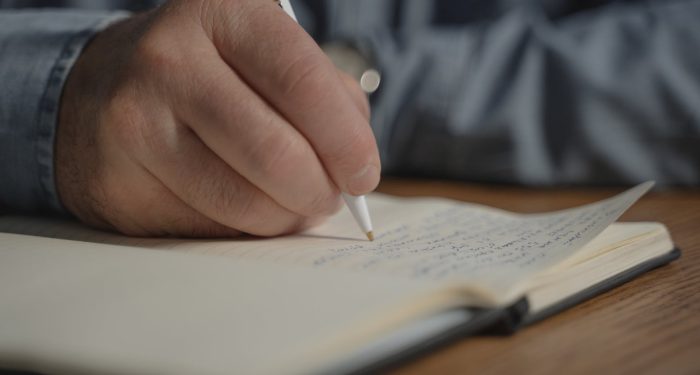
When I turned 60, a friend gave me a journal with "The Next Decade" embossed on the cover. Inside, she'd written: "For all the conversations you need to have - especially the ones with yourself."
At the time, I tucked it into my nightstand drawer, thinking I'd get around to it eventually. But after my husband's Parkinson's diagnosis came just months later, that journal became my lifeline for processing conversations we suddenly needed to have but weren't quite ready for.
Now at 71, looking back on that transformative decade, I understand what my friend was trying to tell me. The conversations we have in our 60s - or avoid having - shape whether we enter our 70s with peace or with a heavy load of "should haves" and "what ifs."
Psychology research backs this up, showing that people who engage in meaningful dialogue about life transitions, relationships, and legacy during their 60s report significantly higher life satisfaction in their later years.
The conversation with yourself about who you're becoming
Have you noticed how retirement or approaching it can feel like standing at the edge of a cliff?
You know you need to jump into this new phase of life, but you're not entirely sure who you'll be when you land. After 32 years of being "Ms. M" to hundreds of teenagers, I found myself asking: Who am I when I'm not teaching Shakespeare or grading essays?
I recently came across a guide by life coach Jeanette Brown that captures this perfectly. She writes, "Retirement is much more than stepping back from your career—it's a profound life transition filled with opportunities, emotions, and significant changes in identity."
This resonated deeply with me because it validated the identity crisis I felt those first few months after retiring - turns out, that unsettled feeling wasn't weakness, it was transformation. I've mentioned Jeanette's new guide in recent posts because it's been such a helpful resource (and it's free, which my teacher's budget appreciates).
The conversation with yourself needs to be honest. What parts of your working identity do you want to carry forward? What aspects are you ready to release? For me, the answer came unexpectedly when I started writing at 66.
The teacher in me hadn't disappeared; she'd just found a new classroom in these articles, sharing lessons learned rather than teaching them.
The money talk nobody wants to have
Let's be real - discussing finances with your partner or adult children ranks right up there with root canals on the fun scale. But psychologists emphasize that financial transparency in your 60s prevents both practical problems and emotional wounds later.
When my second husband's Parkinson's progressed, we had to have conversations we'd been dancing around for years. Where were all the accounts? What were our wishes if one of us needed full-time care? These discussions felt heavy at first, but they ultimately brought us closer. We stopped talking around our fears and started talking through them.
If you're single or widowed, this conversation might be with your children or a trusted friend. The point isn't to be morbid but to be prepared. One widow in my support group told us she spent six months after her husband's death just trying to find all their financial documents.
"I wish we'd had that one uncomfortable Sunday conversation," she said, "instead of me having a hundred uncomfortable days trying to piece it all together."
Healing the wounds before they become scars
Psychology tells us that unresolved conflicts become heavier as we age, not lighter. That argument with your sibling from five years ago? The disappointment with your adult child's choices? These don't just fade away - they calcify.
In my 60s, I finally called my younger sister about a falling out we'd had at our mother's funeral fifteen years earlier. My hands shook as I dialed, but her voice broke when she answered, "I've been waiting for this call." We talked for three hours, not about who was right or wrong, but about how much we'd missed each other. We're not best friends now, but we're sisters again, and that's enough.
Sometimes the conversation is about accepting what won't change. A friend recently told her daughter, "I may never understand your choices, but I choose to love you more than I need to understand." That's a conversation too - setting down the need to fix or change someone and picking up acceptance instead.
Creating your support network before you need it
Here's something nobody tells you: the friends who see you through your 70s and beyond often aren't the ones you had in your 40s. Life changes, people move, health issues arise. The conversations you need to have in your 60s include actively building and nurturing friendships that can weather the storms ahead.
After losing my husband, I joined a widow's support group thinking I'd attend a few meetings and move on. Instead, these women became my closest circle. We talk about everything - from the profound loneliness of an empty house to the absurdity of trying to open pickle jars alone.
We've had conversations about dating again (verdict: complicated), about moving closer to children (verdict: very complicated), and about finding joy when you thought that well had run dry.
Building this network means having vulnerable conversations now. It means telling friends what you really need, not what you think sounds acceptable. It means asking for help before you're desperate for it.
The legacy conversation that goes beyond money
What stories do you want your grandchildren to know? What wisdom have you gathered that might help them navigate their own challenges? These conversations in your 60s shape the emotional inheritance you leave behind.
With my four grandchildren, ranging from 8 to 22, I've started having different conversations than I did even five years ago.
Instead of just asking about school or activities, I share stories about their grandfather, about my own struggles and victories, about the things I wish I'd known at their ages. My 22-year-old granddaughter recently said, "Grandma, you never used to tell us the real stuff before." She was right.
The legacy conversation also includes talking with yourself about what you want to be remembered for. Not in a grand, monument-building way, but in the quiet, daily ways we touch lives.
For me, it's less about being remembered as a teacher and more about being remembered as someone who listened, who showed up, who kept learning even when learning meant admitting I'd been wrong.
Final thoughts
The conversations we need to have in our 60s aren't always comfortable, but comfort isn't the goal - connection is. Connection with ourselves, with our loved ones, with our future selves who will thank us for having the courage to speak up now.
That journal my friend gave me is almost full now. Its pages hold conversations completed and some still in progress.
But each dialogue, whether with myself or others, has been a small act of courage that's helped me enter this new decade not with regret, but with the deep satisfaction of a life actively lived rather than passively experienced. The conversations are waiting.
The only question is: which one will you start with today?