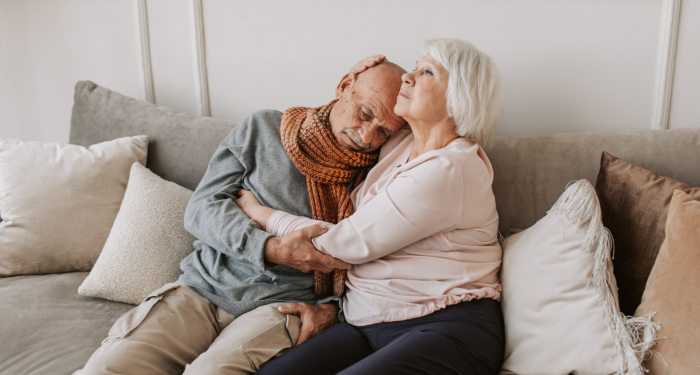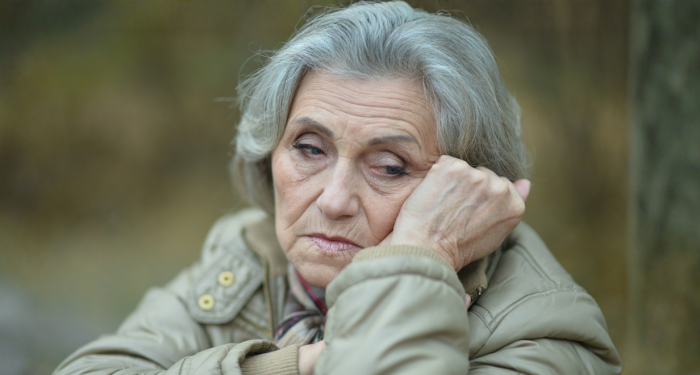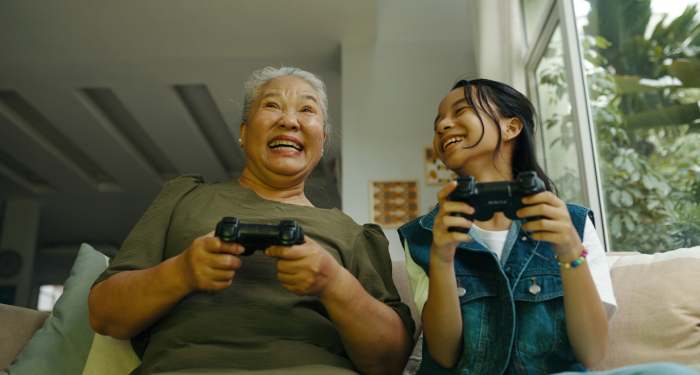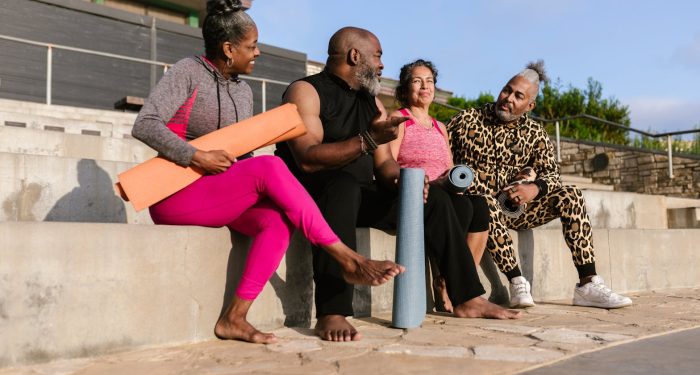
The habits you build today determine whether your grandchildren will remember you as the wise, engaged grandparent who truly knew them, or the one who was physically present but emotionally distant during your final chapters together.

Add VegOut to your Google News feed. 
Last week, my youngest grandchild asked me what I wanted to be remembered for. It caught me off guard, not because I hadn't thought about legacy before, but because at 68, I realized how much of what we'll be remembered for is being written right now, in these everyday moments. The truth is, retirement isn't just about what we do with our newfound freedom; it's about who we become when the structured identity of our working years falls away.
Psychology research tells us that the habits we build in our 50s and 60s become the foundation for how we'll navigate our later years. More importantly, these habits shape how our loved ones will experience us during what could be some of our most meaningful decades together. The person you are at 75 or 85 isn't suddenly created then; that person is being formed by the choices you're making today.
Cultivate genuine curiosity about the people you love
After three decades of teaching teenagers Shakespeare and Steinbeck, I thought I knew how to listen. But retirement taught me there's a difference between listening to respond and listening to truly understand. The habit of genuine curiosity means asking your adult children about their dreams, not just their jobs. It means learning your grandchildren's favorite YouTubers (yes, really) and understanding why they matter to them.
I started a tradition of writing birthday letters to my grandchildren that they'll receive when they turn 25. To write those letters meaningfully, I need to really know them now. This curiosity isn't about being nosy or intrusive; it's about showing the people we love that they fascinate us, that their inner worlds matter. Research in developmental psychology shows that older adults who maintain active curiosity about others report stronger relationships and are perceived as more engaged and vital by their families.
The beautiful thing about curiosity is that it's contagious. When you show genuine interest in your loved ones' lives, they begin to see you not just as a parent or grandparent, but as a full person with your own evolving interests and perspectives.
Build the practice of emotional regulation
Virginia Woolf once wrote that "growing old is like being increasingly penalized for a crime you haven't committed." The frustrations of aging are real, but how we handle them becomes part of our legacy. Emotional regulation isn't about suppressing feelings; it's about developing the skills to process them constructively.
Every evening before bed, I write in my gratitude journal, a habit I started after my husband passed. It's not about toxic positivity or pretending everything is fine. Some nights, I'm grateful for small things like my morning tea or a text from my daughter. Other nights, I'm grateful for the strength to get through a difficult day. This practice has helped me develop what psychologists call "emotional granularity" - the ability to identify and articulate complex feelings rather than just feeling "bad" or "good."
I've mentioned Jeanette Brown's new guide on retirement before, but her perspective on this really resonates: "These emotions are part of the growth process. This is the stage where reinvention begins—where your new life starts to take form, not from a fixed plan, but from following your curiosity and values." That idea helped me understand that the emotional ups and downs aren't obstacles to overcome but materials to work with. Jeanette Brown, a life coach who specializes in life transitions, offers this free resource that beautifully captures how emotional awareness becomes the foundation for this next chapter.
Develop the art of presence
Do you remember the last conversation you had where you weren't mentally composing your response while the other person was talking? In our multitasking world, true presence has become rare, but it's one of the greatest gifts we can offer our loved ones.
I wake at 5:30 AM naturally now and spend the first hour in silence with my tea and journal. This morning practice isn't about productivity; it's about settling into myself so that when I'm with others, I'm truly there. Psychology research on mindfulness in older adults shows that those who practice present-moment awareness have better cognitive function and report more satisfying relationships.
Presence also means putting down the phone when your grandchild is telling you about their day, even if the story meanders through seventeen different topics. It means sitting with your adult child's struggles without immediately offering solutions from your decades of experience. Sometimes the most powerful thing we can offer is our full, undivided attention.
Create rituals of connection
Rituals give shape to relationships. They're the recurring rhythms that say "this matters" without words. Maybe it's Sunday morning pancakes, Thursday evening phone calls, or annual camping trips. These rituals become the framework within which memories are made.
What matters isn't the grandness of the ritual but its consistency and intention. My 22-year-old grandchild recently told me that what they remember most from childhood isn't the expensive gifts or elaborate vacations, but our monthly "adventure days" where we'd explore a new park or museum, just the two of us. These rituals create what psychologists call "relationship security" - the feeling that connection is reliable and enduring.
Practice the courage of vulnerability
Here's what they don't tell you about getting older: the temptation to become rigid increases just when flexibility matters most. It takes courage to admit when we're wrong, to say "I don't understand this new technology," or to acknowledge that some of our long-held beliefs might need updating.
Vulnerability in our later years means being willing to be a learner again. It means asking your grandchild to teach you about their world instead of always being the one with wisdom to impart. It means telling your adult children about your fears and dreams for this stage of life, not just asking about theirs.
Final thoughts
The habits we build now aren't just personal development exercises; they're the brushstrokes painting the portrait our loved ones will carry forward. Each choice to remain curious, to regulate our responses with grace, to be truly present, to create meaningful rituals, and to stay vulnerable and open adds depth and warmth to that portrait.
The best version of ourselves in retirement isn't about being perfect or having it all figured out. It's about being intentional with the time we have, knowing that how we show up today becomes tomorrow's cherished memory. These aren't habits you build once you retire; they're practices to begin now, while there's still time to make them second nature. Because the truth is, it's never too early to become the person your loved ones will remember with a smile.
If You Were a Healing Herb, Which Would You Be?
Each herb holds a unique kind of magic — soothing, awakening, grounding, or clarifying.
This 9-question quiz reveals the healing plant that mirrors your energy right now and what it says about your natural rhythm.
✨ Instant results. Deeply insightful.
Marlene Martin
Marlene is a retired high school English teacher and longtime writer who draws on decades of lived experience to explore personal development, relationships, resilience, and finding purpose in life’s second act. When she’s not at her laptop, she’s usually in the garden at dawn, baking Sunday bread, taking watercolor classes, playing piano, or volunteering at a local women’s shelter teaching life skills.
More Articles by Marlene