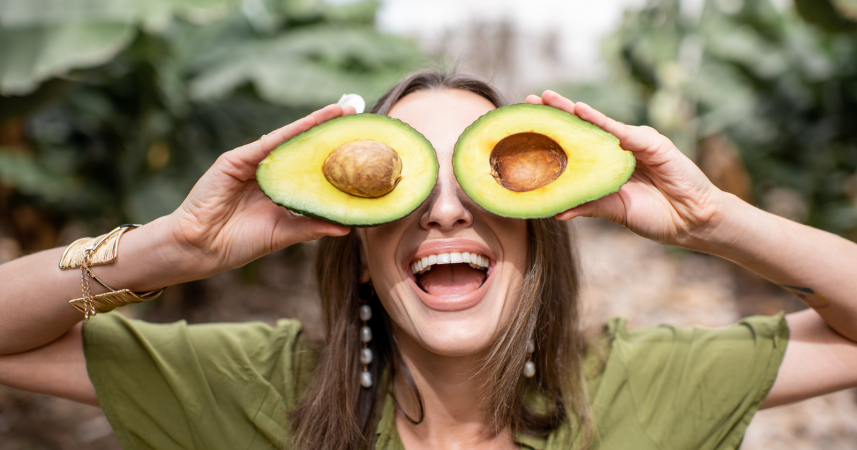
Your daily avocado routine could be stealthily sabotaging your complexion, dietitians caution—can you spot the slip-up?

Add VegOut to your Google News feed. 
Avocados are everywhere.
We spread them on toast, blend them into smoothies, and even slather them on our skin in the name of “natural” beauty.
In pop culture and wellness circles alike, this creamy green fruit has reached icon status – think millennials joking they can’t buy homes because of pricey avocado toast, or Instagram feeds flooded with avocado recipes and DIY face mask tutorials.
It’s easy to see why avocados are the darling of wellness: they’re packed with healthy fats, vitamins, and antioxidants that support overall health.
But amid the avocado-mania, dermatologists and dietitians are gently tapping the brakes. It turns out there’s a common avocado-related habit that might be undermining your skin goals without you realizing it.
If you’re an avocado aficionado who’s been doubling down – both in the kitchen and the bathroom – it might be time for a friendly reality check on this superfood’s not-so-super effect on your complexion.
The one avocado habit derms want you to rethink
Here’s the scoop: using avocados too enthusiastically in your skincare routine – especially as rich face masks or heavy oils – could spell trouble for your skin.
Many of us have dabbled in DIY avocado face masks or avocado oil moisturizers, hoping for that dewy glow.
After all, avocados are natural and hydrating, so what could go wrong?
Well, according to skin experts, overdoing it is the pitfall (pun intended).
Dermatologists have recently warned that loading up your face with raw avocado or thick avocado oil isn’t always the guilt-free skin treat it’s cracked up to be.
“Those on the no-fly list include the ubiquitous coconut oil and avocado oil — they are both known to clog pores, which is the absolute last thing anyone who deals with acne wants to happen,” says board-certified dermatologist Dr. Marie Hayag.
In other words, applying avocado in heavy amounts can plug up your pores and lead to breakouts or excess oiliness.
Think about it: Avocado’s magic lies in those nourishing fats, but on your face, those same fats can form a heavy layer. If you have oily or acne-prone skin, that richness can overwhelm your skin’s balance.
One skincare guide notes that overuse or frequent application of avocado oil can “overwhelm the skin and lead to congestion.”
Congested pores mean that bacteria, oils, and dead skin cells get trapped, setting the stage for whiteheads, blackheads, or full-on pimples.
So, that nightly DIY avocado mask habit or using pure avocado oil as a daily moisturizer might be inadvertently clogging your pores and provoking the very flare-ups you’re trying to calm.
Why your skin isn’t avoca-control: The science behind the issue
To understand why our beloved fruit can backfire on our face, let’s get a bit technical. Avocado is rich in fatty acids and has a moderate comedogenic rating (around 2 on a 0-5 scale) – meaning it’s not the worst offender, but it can block pores for some people.
The pulp and oils are thick and occlusive.
As Jeff Hautala from Exposed Skincare explained, while nourishing, avocado’s oils raise concerns about comedogenicity: “avocado oil is moderately comedogenic, [and] it could potentially exacerbate acne issues by trapping bacteria, excess oil, and dead skin cells within the pores.”
The raw mashed avocado used in DIY masks isn’t just delivering vitamins — it’s also depositing fibrous plant matter onto your skin that can be difficult to wash off completely, leaving pore-clogging residue.
Beyond clogged pores, there’s the issue of skin type and individual response.
Avocado masks might feel amazing for someone with dry, sensitive skin – all that moisture can soothe and soften. But if you have an oily T-zone or you’re breakout-prone, that same heavy hydration can tip you into greasy territory.
Dermatologists also point out a surprising culprit in some cases: allergic reactions. We tend to assume “natural = safe,” but you can be allergic or sensitive to avocado on the skin even if you can eat it just fine. Some individuals experience redness or itchiness when applying avocado topically.
In fact, even natural ingredients can cause issues – “natural doesn’t always mean non-allergenic”, Hautala reminds us.
Wellness trends vs. what your skin really needs
It’s not that avocados turned evil overnight – it’s that our wellness culture sometimes forgets that more isn’t always more.
In the quest for glow, we’re dunking our faces in whatever is trending on TikTok or touted by a celebrity wellness guru. (Avocado-honey-yogurt mask, anyone?)
It’s all done with good intentions: we crave clean, food-grade skincare that feels wholesome. But as with any trend, it’s worth asking: Is this actually benefiting my skin, or am I just riding the hype?
In that spirit, let’s put the avocado habit under a gentle microscope:
-
Are you applying avocado in a way that suits your skin type? For instance, mashing avocado with a squeeze of lemon (a common DIY mask recipe) might sound invigorating, but dermatologists warn that the lack of standardization in DIY recipes can lead to variable outcomes and irritation.
-
Have you noticed greasier skin or bumps after an avocado mask or avocado-oil spree? It might be time to connect the dots. That healthy shine can cross into oily sheen territory fast. Remember, not all skin will benefit from heavy, oil-based hydration – especially skin already battling excess oil production.
-
Do you patch test and moderate? We often dive face-first into the latest natural remedy without testing it on a small area. A bit of self-reflection (and a 24-hour patch test on your inner arm) can save you from a full-face fiasco. If your skin feels clogged or irritated, there’s no shame in dialing back.
The broader lesson here ties into the wellness culture of chasing “miracle” ingredients.
Avocado is awesome – both as food and in formulated skincare products that know how to harness it. But the broader lifestyle context is that variety and balance trump any single superfood fix.
Just as dietitians will tell you not to eat only avocados for healthy fats (you need a mix of nuts, seeds, olive oil, etc.), skincare pros will tell you not to rely on one DIY ingredient for all your skin woes.
Too much of a good thing can negate the benefits.
Finding balance
Avocados will forever be a VIP in the wellness world, but even our green BFF has its limits when it comes to skincare.
Yes, in broader wellness and lifestyle culture, avocados aren’t going anywhere – nor should they! They’re a nutritious, delicious part of a plant-forward life, and even have proven benefits for skin when used right.
Glowing skin often does start in the kitchen. So keep enjoying that avocado toast or Buddha bowl; just remember that balance is key. As the saying goes, you can have too much of a good thing – even kale, even avocados.
By all means, keep calm and guac on – just don’t wear your guac daily, and your skin will thank you.
Remember, the goal is a healthy glow, not a greasy glow. With a little moderation and mindfulness, you can enjoy avocados in all the best ways without letting a well-intentioned habit sabotage your skin health.
And that’s the kind of balanced, joyful wellness we’re all about at VegOut.
So go forth, eat your avocados, maybe do a fun face mask once in a while, but know that sometimes the chicest thing you can wear is simply a happy, clear complexion – no extra toppings needed.