A hospice nurse’s quiet confession reveals the regret most people share at life’s end—and how to sidestep it long before the clock runs out.
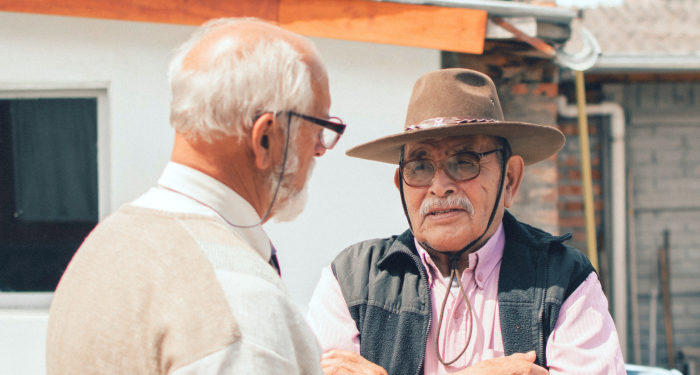
I met nurse Elena during a volunteer orientation at a local hospice center. She had the calm, unhurried manner that comes from sitting bedside through hundreds of life stories, yet she spoke in a tone so soft I had to lean in.
While we were stocking lotion bottles, I asked what patients talk about most once the monitors have been silenced and the visitors have gone home.
Without pausing, she said, “Almost everyone wishes they’d honored their everyday health while they still had it.”
Not bank accounts, not missed promotions — just the freedom to walk unassisted or savor a deep, easy breath. The simplicity of that regret pierced me. A good salary, a zero‑waste pantry, even the perfect fitness tracker ring — all feel hollow if the body carrying them is ignored.
Elena’s words kept echoing as I left the facility: What am I taking for granted right now? That single question steered the reporting that follows.
What broader evidence says about end‑of‑life regrets
Elena’s observation isn’t an anecdotal outlier — it aligns with a chorus of hospice voices.
California’s social‑media‑famous Julie McFadden, whose TikTok account @hospicenursejulie has almost two million followers, regularly lists “not appreciating one’s health” among the four regrets she hears most from the dying.
A recent People profile on McFadden confirms the pattern, noting that her online audience is captivated precisely because her patients’ final reflections feel universally relatable.
Earlier still, palliative‑care nurse Bronnie Ware distilled eight years of bedside conversations into the bestselling Five Regrets of the Dying; topping that list are working too hard and failing to honor personal well‑being.
Academia backs the bedside stories.
A 2024 qualitative study of family members bereaved by cancer found that unresolved regrets around self‑neglect magnified psychological distress, suggesting that awareness of lost health can haunt survivors as much as patients.
A scoping review in BMJ Supportive & Palliative Care likewise concludes that people who act on values of connection and bodily appreciation early experience more peace at life’s end.
The takeaway: intangible assets—mobility, breath, presence—loom larger than money when the clock runs short.
Why this regret resonates with the plant‑forward movement
At first glance, lamenting lost health seems miles away from oat‑milk lattes or bamboo toothbrushes.
Look closer and the overlap is obvious: a lifestyle that safeguards the body often parallels choices that benefit the planet.
When you savor seasonal strawberries instead of shrink‑wrapped imports, you reap antioxidants while slashing food‑mile emissions.
Swapping an Uber for a bike ride honors your cardiovascular system and trims your carbon footprint in one pedal stroke.
Researchers have long linked physical vitality with pro‑environmental habits — people who feel well are more likely to compost, shop farmers’ markets, and vote for green policies.
By contrast, chronic fatigue—whether from nutrient‑poor diets or burnout—correlates with convenience purchases and throwaway culture.
The death‑bed regret Elena and McFadden describe is therefore a dual warning: neglect your body and you may also miss your chance to live lightly on the earth. Plant‑forward eaters intuit this.
Each time we flavor lentils with smoky paprika instead of defaulting to processed vegan nuggets, we practice a tiny act of reverence that future us—and future ecosystems—will celebrate.
6 ways to dodge the “I didn’t appreciate my health” regret
Before the tips, a premise: regret‑proofing isn’t about perfection — it’s about weaving mini‑rituals of respect for your body into daily life so consistently that they become muscle memory.
-
Cook one mindful meal each day. Pick local produce, slice slowly, inhale the steam. The sensory pause transforms cooking into a gratitude drill that hard‑wires respect for working lungs, eyes, hands, and taste buds.
-
Adopt a movement micro‑habit. Instead of chasing 60‑minute workouts, tie gentle motion—hip circles while coffee brews, calf raises during dishwashing—to tasks you already do. Small bursts preserve mobility, the asset hospice patients mourn losing most.
-
Schedule tech‑free daylight. Ten phone‑free minutes outdoors recalibrate circadian rhythms, lift mood, and remind you that breathing fresh air is a privilege, not a background process.
-
Host a “friends & fiber” ritual. Each Friday, swap CSA extras or plant‑based recipes with a buddy. Social connection and gut‑friendly food tackle two common end‑of‑life regrets: neglected relationships and neglected health.
-
Run an annual health‑gratitude audit. On your birthday list body functions you rarely notice—knees bending, heart syncing, immune cells standing guard. The exercise conditions you to treasure what is easily lost.
-
Practice conscious work sprints. Borrow from four‑day‑week research by clustering intense tasks, then fully detaching. Guarding recovery windows protects mental health now and prevents the “I worked my life away” remorse Ware documented. Each tactic is one stitch in a safety net between today’s choices and tomorrow’s peace of mind.
The wider cultural ripple: from bedside to boardroom to backyard garden
A whisper in a hospice corridor can ripple into policy shifts when amplified by social media.
McFadden’s clips have already nudged millions of viewers to book overdue check‑ups, while HR departments pilot flexible schedules, citing employee well‑being as a core metric.
Urban planners push for 15‑minute cities where grocery stores, parks, and clinics sit within a stroll, arguing that protecting daily health is both equitable and low‑carbon.
Community gardens, mutual‑aid fridges, and neighborhood walking groups—all flourishing since 2020—can be read as collective insurance against future “I never felt connected” laments.
Death awareness, rather than paralyzing us, is fueling a culture that prizes strolls over scrolls, seasonal soups over desk lunches, and recovery days over round‑the‑clock hustle.
If we keep listening, the hospice ward becomes a classroom where the syllabus is vitality, presence, and interdependence—lessons that scale from a single bedside whisper to the climate‑justice movement’s rallying cry.
Closing reflection: cooking for today, living for tomorrow
While writing this piece, I kept picturing patients tracing sunlight across a windowpane, wishing they’d noticed it sooner.
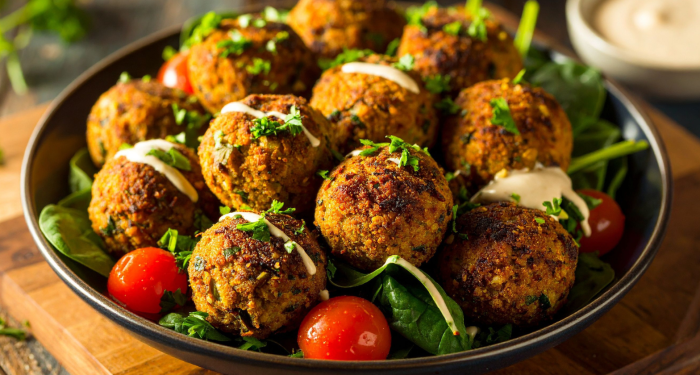
As a chef, I can’t rewind their hours, but I can design dinners that celebrate mole‑deep flavor coaxed from cacao nibs and chiles, or fold carrot‑top chimichurri over roasted roots — plates that honor health now instead of memorializing it later.
If nurse Elena’s off‑hand confession teaches us anything, it’s that the everyday is already extraordinary.
Your next inhale, your next bite of a perfectly ripe peach, your next belly laugh with a friend — each is the wealth people beg for when time runs short.
Spend that wealth wisely, spend it joyfully, and let those mindful choices ripple outward to nourish both community and planet.
If You Were a Healing Herb, Which Would You Be?
Each herb holds a unique kind of magic — soothing, awakening, grounding, or clarifying.
This 9-question quiz reveals the healing plant that mirrors your energy right now and what it says about your natural rhythm.
✨ Instant results. Deeply insightful.