
Ever stay up late just to “catch up on the world”? You’re not alone—and it’s not just about bad sleep habits. Psychology suggests night owls like this often share seven traits: curiosity, introspection, emotional sensitivity, and a craving for quiet autonomy. In this post, I unpack the mindset behind late-night scrolling and how to keep those reflective hours from quietly draining your energy.
We’ve all been there.
You tell yourself you’ll be in bed by eleven—but somehow it’s 1:30 a.m., and you’re still scrolling, reading, watching, or catching up on everything you “didn’t have time for” during the day.
It’s not always about insomnia. It’s about curiosity, connection, and craving a few quiet hours where no one needs you and the world finally slows down.
Psychologists even have a term for it: revenge bedtime procrastination—staying up late to reclaim time you feel you’ve lost during the day.
But there’s more to it than that.
People who fall into this pattern often share a specific mindset and a handful of habits that shape the way they live and think.
Here are seven of the most common ones.
1) They’re naturally introspective
If you’ve ever found yourself thinking deeply about life when the rest of the world is asleep, you’re not alone.
Late-night hours give an introspective individual space to think without interruption.
Psychologists suggest that quiet, low-stimulation environments actually encourage self-reflection because the brain finally has bandwidth for it.
That’s why your best ideas often come when you’re lying in bed—or why you suddenly remember every embarrassing thing you’ve ever done.
The mind finally has time to wander, review, and process.
Personally, I’ve noticed that when I stay up later than usual, it’s not about procrastinating—it’s about sorting.
Untangling the day’s noise, replaying conversations, or letting creative thoughts breathe.
It’s both a strength and a weakness. Self-reflection builds self-awareness—but too much can turn into overthinking.
2) They crave mental stimulation
People who stay up late to “catch up on the world” aren’t usually bored—they’re curious.
They’re the types who go down Wikipedia rabbit holes, watch documentaries, or scroll through Reddit threads about obscure topics.
Psychologists call this “intellectual curiosity”—a need for mental engagement that keeps the brain active long after the body is tired.
Nighttime feels like the perfect time for this because it’s distraction-free.
No emails, no Slack pings, no chores. Just you, your thoughts, and whatever corner of the internet you’re exploring.
The downside? When curiosity overrides rest, you wake up groggy, unfocused, and ironically less able to learn the next day.
But that curiosity itself is a sign of cognitive engagement—a quality that often correlates with creativity and lifelong learning.
3) They struggle to set boundaries with themselves
Let’s be honest: most of us know we should go to bed earlier. But knowing and doing aren’t the same thing.
Many late-night scrollers are great at meeting external deadlines—work, family, social commitments—but terrible at honoring internal ones.
Psychologists call this a “self-regulation gap.” You can control your behavior when someone else depends on it, but not when it’s just you.
That’s partly why “just one more episode” or “five more minutes” spirals so easily. No one’s holding you accountable.
I’ve fallen into that trap more than once after long workdays. I tell myself I’ve earned some downtime. Then, two hours later, I’m too tired to even enjoy it.
This isn’t about willpower—it’s about fatigue. Decision-making skills and the ability for self-control both burn mental energy, and by night, that tank is empty.
Recognizing that helps you stop blaming yourself and start planning around your limits.
4) They use quiet hours to escape overstimulation
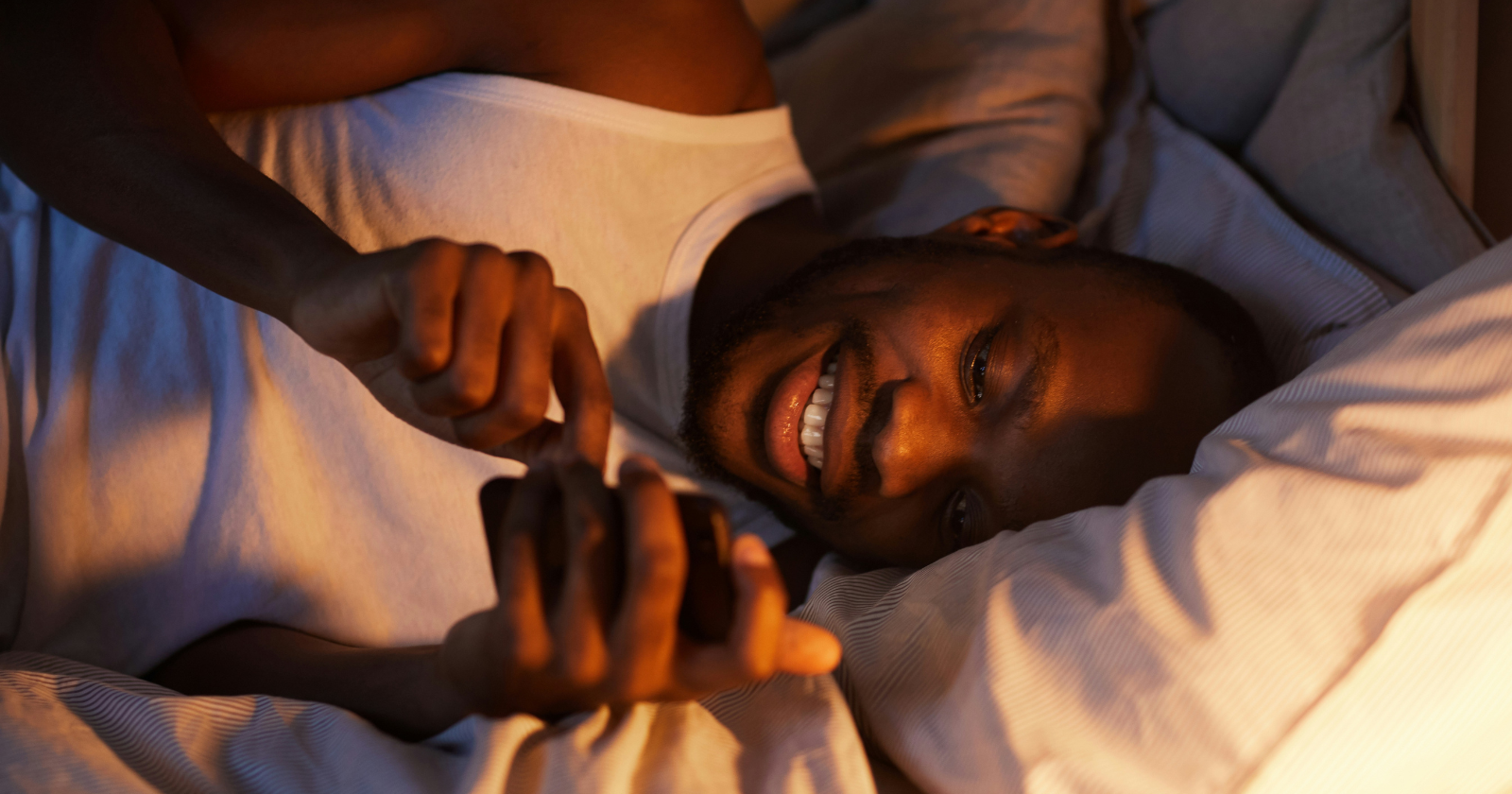
For many people, the day is chaos. Work, errands, family, constant notifications—it’s no wonder evenings become sacred.
Staying up late becomes a way to reclaim peace. To decompress.
To enjoy a moment where you can choose what to focus on instead of reacting to everyone else’s demands.
Psychologists say this behavior is common in people who feel time-poor—those whose days are crammed with responsibilities that don’t leave much room for autonomy.
The night feels like the only space you fully own.
I felt that most intensely when I worked in hospitality. After a 12-hour shift surrounded by people, noise, and movement, I’d get home exhausted yet wired.
I’d pour a drink, sit in silence, and scroll through travel photos or read restaurant reviews until I finally felt like me again.
The irony? That recovery time helped emotionally but hurt physically. I wasn’t getting enough rest to actually feel restored the next day.
5) They associate late nights with creativity
Have you ever noticed how ideas seem to flow more easily at night? That’s not just poetic—it’s psychological.
Studies suggest that during late hours, the brain’s prefrontal cortex—the part responsible for critical thinking and filtering—relaxes a bit.
That mild looseness allows for freer associations and more original thought.
That’s why writers, artists, and entrepreneurs often describe themselves as night owls. The quiet plus mental looseness equals creativity.
When I was writing my first food column, I did my best work around midnight.
There was something about the stillness—the hum of the fridge, the glow of the laptop—that felt inspiring.
I wasn’t over-editing my thoughts. I was just creating.
The challenge is knowing when to stop. Because creative flow feels energizing, it’s easy to push through fatigue until you’re completely drained.
6) They often feel a subtle sense of FOMO
For many late-night browsers, the real reason they stay up isn’t deep thinking or creativity—it’s connection.
Scrolling social media, catching up on news, or watching late-night YouTube isn’t just entertainment. It’s a way of feeling plugged into the world. The fear of missing out.
Psychologists describe this as “social curiosity”—the desire to stay informed and engaged, even passively. It’s part of why news apps and algorithms are designed to keep feeding you new content.
Your brain loves the novelty.
But there’s a hidden cost. Constant exposure to late-night headlines or highlight reels can increase anxiety and make you feel like you’re perpetually behind.
You wake up tired and mentally overstimulated.
If this sounds familiar, it might help to ask: am I catching up on the world—or escaping my own?
7) They’re often more emotionally sensitive than they realize
Here’s something few people talk about.
Nighttime amplifies emotion. When distractions fade, feelings you ignored during the day tend to surface.
That’s why people text exes at midnight, replay awkward conversations, or suddenly feel a wave of nostalgia or loneliness.
Psychologists have found that emotional intensity peaks late in the day due to both hormonal changes and accumulated stress.
People who stay up processing thoughts or feelings often have higher emotional awareness—they just don’t always manage it well.
And that’s not necessarily bad. Emotional depth can fuel empathy, creativity, and connection.
But without boundaries—like journaling before bed or setting a “digital cutoff” time—it can spiral into rumination.
I’ve had those nights too. Lying awake replaying a conversation I should’ve handled differently. The trick, I’ve learned, is to write it down.
Getting it out of your head makes it less heavy—and helps you actually sleep.
The bottom line
If you often find yourself awake long after midnight, scrolling, reading, or just thinking, it doesn’t necessarily mean you’re lazy or unmotivated.
It usually means you’re curious, reflective, emotionally tuned in, and craving autonomy—the freedom to spend time on your own terms. Those are strengths.
The goal isn’t to erase those traits but to balance them.
Protect your sleep the way you protect your curiosity. Keep your mind engaged, but give your body a chance to rest.
Try setting a “soft cutoff” time—say, 11 p.m.—where you still have quiet, uninterrupted time to read, reflect, or explore, but without crossing into exhaustion.
Because as much as staying up late helps you feel caught up on the world, getting enough sleep helps you actually show up for it.
What’s Your Plant-Powered Archetype?
Ever wonder what your everyday habits say about your deeper purpose—and how they ripple out to impact the planet?
This 90-second quiz reveals the plant-powered role you’re here to play, and the tiny shift that makes it even more powerful.
12 fun questions. Instant results. Surprisingly accurate.