She built her identity on being everyone's unshakeable crisis manager for four decades, but now finds herself dissolving into tears in parking lots, discovering that the very strength that defined her has become the cage she can't escape.

Add VegOut to your Google News feed. 
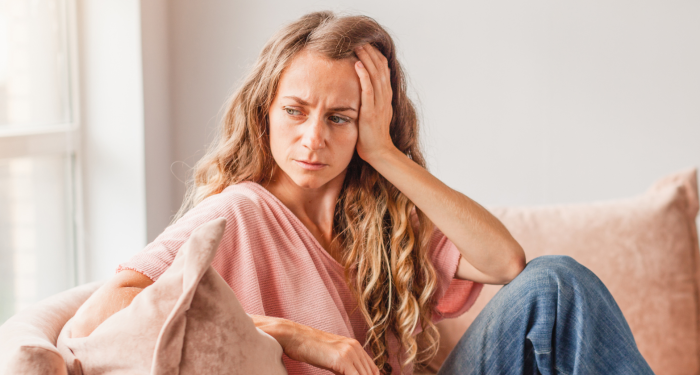
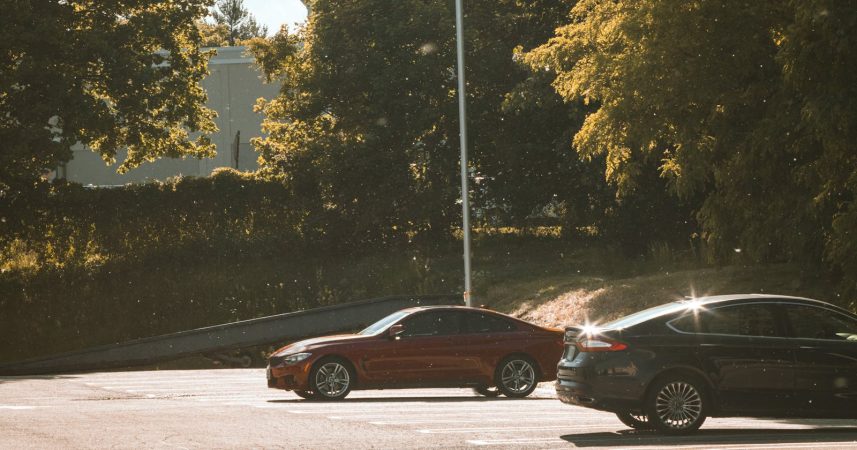
Last Tuesday, I found myself sitting in my car outside the grocery store for forty-five minutes, engine off, just staring at the steering wheel. I'd gone in for milk and bread, come out with neither, and couldn't quite remember why I'd left empty-handed. A woman knocked on my window to ask if I was okay, and I realized I'd been crying without even knowing it.
This wasn't me. Or at least, it wasn't the me I'd been for decades.
When your reputation was your credit score
For most of my adult life, I was the person everyone called when life fell apart. Death in the family? I'd be there with a meal plan for the next two weeks and a notebook full of phone numbers you'd need. Divorce papers served? I'd help you find a lawyer, pack boxes, and remind you to eat something besides wine and crackers. Lost your job? I had a resume template, three networking contacts, and enough confidence for both of us.
Being that person became more than what I did; it became who I was. My phone rang at odd hours, and I answered. My weekends filled with other people's emergencies, and I showed up. There was something deeply satisfying about being needed, about having the answers, about never being the one who needed rescuing.
Virginia Woolf once wrote, "I have lost friends, some by death... others through sheer inability to cross the street." I used to read that and think about the friends who couldn't cross the street. Now I wonder if I've become one of them.
The slow unraveling nobody warns you about
When did I stop being that woman? There wasn't a specific moment, no dramatic before and after. It was more like watching the tide go out, so gradual you don't notice until suddenly you're standing on dry sand wondering where all the water went.
Maybe it started when my mother died, and for the first time, I couldn't fix what was broken. I still showed up for others, brought casseroles, made plans. But something had shifted. The foundation I'd built my identity on had developed a hairline crack.
Or perhaps it was earlier, during those years when my body started betraying me in small ways. The arthritis that made opening jars a negotiation. The fatigue that crept in earlier each day. The way I'd walk into rooms and forget why I'd come. These weren't crises; they were erosions.
Do you remember the first time you realized you couldn't do something you'd always been able to do? Not just physically, but emotionally? That moment when you understand that strength isn't infinite, that even the strongest swimmers can find themselves in water too deep?
The weight of always being the strong one
Here's what nobody tells you about being everyone's rock: rocks don't get to crumble. They don't get to admit they're tired, scared, or lost. When you've spent decades being the person with answers, admitting you have questions feels like a betrayal of some unspoken contract.
I think about all those years of showing up with solutions, and I wonder how much of it was genuine care and how much was armor. If I was busy fixing everyone else's problems, I never had to look at my own. If I was the helper, I never had to be the helped.
The truth is, being needed can be addictive. It gives you purpose, makes you feel valuable, essential even. But what happens when the phone stops ringing as often? When your own children have learned to be self-sufficient (because you taught them well), when your friends have found other shoulders to lean on, when the world keeps spinning without your constant intervention?
Learning to sit with the not knowing
That afternoon in the parking lot wasn't the first time I'd felt untethered from my old self, but it was the first time I let myself feel it fully. No distraction, no rushing to help someone else, no pretending everything was fine. Just me, in my car, acknowledging that I didn't know who I was anymore without my cape.
In my last post about finding purpose after retirement, I talked about the importance of reimagining yourself. But before you can reimagine, you have to be willing to admit the old image no longer fits. You have to sit in that uncomfortable space between who you were and who you're becoming.
The strange thing is, once I stopped fighting it, there was something almost peaceful about not having all the answers. About being able to say, "I don't know" without feeling like I'd failed. About discovering that vulnerability at 70 doesn't mean weakness; it means you're still growing.
Permission to be human after all
These days, I'm learning to be gentler with myself. When friends call with problems, I still listen, but sometimes I say, "I don't have an answer for that, but I can sit with you while you figure it out." When my daughter asks for advice, occasionally I tell her, "Let me think about that and get back to you," instead of immediately having a five-point plan.
And sometimes, when I find myself in that grocery store parking lot again, overwhelmed by the simple act of choosing between twelve types of milk, I give myself permission to just sit there. To not have it all together. To be a person who sometimes needs help too.
The woman who had all the answers hasn't disappeared entirely. She's still in me, but she's making room for another version of myself. One who can ask for help. One who can admit uncertainty. One who understands that showing your cracks doesn't make you broken; it makes you real.
Final thoughts
If you're reading this and recognizing yourself, if you've been the strong one for so long that you've forgotten how to be anything else, I want you to know it's okay to put down that weight. The world won't end if you don't have all the answers. The people who truly love you won't love you less if you need them for a change.
That woman who showed up with plans and casseroles? She served her purpose. But maybe the woman in the parking lot, the one who's learning to be vulnerable, to not know, to need others, maybe she has something valuable to offer too. Maybe she's exactly who we're meant to become.